

Inflation has changed more than grocery bills and monthly budgets—it has quietly reshaped the way American families live. As housing, childcare, transportation, travel, and everyday expenses continue to climb, many households are rethinking routines that once seemed like normal parts of family life.
From grandparents stepping in as regular childcare providers to parents delaying retirement and families swapping expensive vacations for simpler getaways, financial pressures are influencing decisions across nearly every stage of life. These changes aren’t limited to one income bracket, either. Families from a wide range of backgrounds are finding themselves making similar adjustments to stretch their dollars further.
While some of these shifts began as temporary solutions, many are becoming long-term lifestyle changes. Reddit communities, national surveys, and economic data all point to the same trend: today’s families are redefining what middle-class life looks like, often by sharing more resources, spending differently, and placing greater value on flexibility than ever before.
Here are 16 surprising ways rising costs are quietly changing American family life.
Grandparents Are Becoming Childcare Providers Again

For many parents, childcare has become one of the largest monthly expenses, sometimes rivaling a mortgage payment. As daycare rates continue to climb, more families are turning to grandparents for regular childcare rather than occasional babysitting.
These arrangements often benefit everyone involved. Parents save thousands of dollars each year, grandparents enjoy spending more time with their grandchildren, and children remain with caregivers they already know and trust. What used to be emergency help or an occasional favor has become part of many families’ weekly schedules.
Online parenting communities are filled with stories from parents who say they simply couldn’t afford full-time childcare without family support. While not every household has grandparents nearby, those that do increasingly view them as an essential part of making family finances work.
Adult Children Are Staying Home Longer

Moving out shortly after high school or college is no longer the expectation it once was. Between rising rents, high home prices, and elevated interest rates, many young adults are remaining with their parents well into their twenties—and sometimes even their thirties.
Parents often describe the arrangement as practical rather than problematic. Sharing housing allows adult children to save for future goals while helping families avoid the financial strain of supporting two separate households. Some adult children contribute toward groceries or utilities, while others help care for younger siblings or aging relatives.
As multi-generational households become more common, families are adjusting long-term expectations. Parents who once anticipated becoming empty nesters now plan for additional years of shared living, and many new homes are being designed with flexible spaces that can accommodate multiple generations.
Family Vacations Are Becoming Group Vacations

Instead of booking separate hotel rooms, many families are inviting grandparents, siblings, cousins, or close friends to share vacation rentals. Splitting the cost of a large Airbnb or vacation home often makes travel significantly more affordable than paying for several hotel rooms.
Sharing accommodations also reduces food costs since larger homes typically include full kitchens where families can prepare meals together. Grocery shopping replaces restaurant dining for many meals, and childcare responsibilities can be shared among adults, allowing parents to enjoy more downtime.
For many travelers, group vacations aren’t simply about saving money—they’ve become a way to preserve family traditions that might otherwise be too expensive to maintain. Rather than canceling annual trips altogether, families are finding creative ways to make them fit today’s budgets.
Teenagers Are Sharing Cars Instead of Getting Their Own

Owning a car has long been viewed as a milestone for American teenagers, but today’s costs are making that tradition harder to justify. Vehicle prices remain high, insurance premiums for young drivers continue to climb, and maintenance costs have increased alongside repair expenses.
Instead of buying each teenager a vehicle, many families now keep one shared “kid car” that siblings use for school, work, sports, and social activities. While it requires careful scheduling, the arrangement dramatically reduces monthly expenses.
Some parents are also waiting longer before purchasing any additional vehicle at all, encouraging teens to coordinate rides, use public transportation, or borrow a parent’s car when necessary. What was once considered a symbol of independence is increasingly viewed as a luxury.
Parents Are Delaying Retirement to Help Their Children

Retirement planning has become more complicated as many parents continue supporting their adult children financially long after college. Whether helping with rent, contributing toward a first home, paying for graduate school, or assisting with childcare for grandchildren, many households now stretch financial support across multiple generations.
Rather than retiring as soon as they’re eligible, some parents choose to remain in the workforce for several extra years to provide this assistance without jeopardizing their own financial security. Others simply find that rising living costs require them to keep earning longer than they originally planned.
This growing trend reflects a broader shift in how families think about financial independence. Instead of each generation operating separately, many households increasingly make major financial decisions with the entire family in mind.
Trending on Cheapism


Birthday Parties Are Moving Back Home

Throwing a birthday party at a trampoline park, indoor play center, or entertainment venue has become much more expensive than many parents remember. Once admission, food, decorations, party favors, and optional add-ons are factored in, the total can easily reach several hundred dollars for a single afternoon.
Instead, many families are rediscovering the appeal of hosting celebrations at home. Backyard barbecues, homemade cakes, lawn games, and neighborhood gatherings offer a more affordable alternative while giving parents greater control over the event. Rather than outsourcing every detail, families are spending more time planning personalized celebrations that reflect their children’s interests.
Many parents say these parties often feel more meaningful despite smaller budgets, proving that memorable birthdays don’t necessarily require expensive venues.
Kids Are Being Limited to One Major Activity

Extracurricular activities have become one of the fastest-growing expenses for many families. Registration fees, uniforms, equipment, travel, hotel stays, and private coaching can quickly add up, especially for competitive sports.
Rather than enrolling children in multiple activities throughout the year, many parents now choose one primary commitment that fits both their schedule and budget. Families often prioritize the activity their child enjoys most instead of trying to do everything.
This approach allows children to develop their skills while helping parents avoid financial burnout. It also reflects a broader shift toward carefully evaluating which expenses provide the greatest value.
Disney Vacations Are Being Replaced

For decades, Disney vacations represented the ultimate family trip, but rising ticket prices, hotel rates, dining costs, and travel expenses have pushed many households to explore other options.
Instead of spending thousands on a theme park vacation, families are choosing cabins, state parks, beach towns, camping trips, and regional road trips. These destinations often provide greater flexibility, lower overall costs, and fewer unexpected expenses.
Many parents say they’ve discovered hidden gems much closer to home and appreciate vacations that focus on spending time together rather than following packed itineraries. For many families, memorable experiences now matter more than checking off a famous destination.
Sign up for our newsletter
Homes Are Becoming Entertainment Centers

As dining out, concerts, movies, and other outings become more expensive, many families are putting that money back into their homes instead.
Outdoor patios, fire pits, backyard playsets, home theaters, game rooms, and upgraded kitchens have become worthwhile investments because they provide years of entertainment without repeated admission fees. Families are increasingly inviting friends and relatives over rather than meeting at restaurants or paid attractions.
While these upgrades require an upfront investment, many homeowners view them as a way to reduce recurring entertainment expenses while creating spaces where everyone enjoys spending time together.
Costco and Sam’s Club Networks Are Growing

Warehouse clubs have always offered savings, but today’s families are finding new ways to maximize those memberships. Friends, relatives, and neighbors increasingly coordinate shopping trips, divide oversized packages, and split bulk purchases that would otherwise be difficult to use before they expire.
Freezer space has become valuable real estate as households stock up during sales and preserve food for later. Some families even maintain shared shopping lists to make warehouse trips more efficient.
These informal buying networks allow people to benefit from bulk pricing without wasting food, turning warehouse shopping into a collaborative effort rather than an individual one.
Parents Are Teaching Cooking Earlier
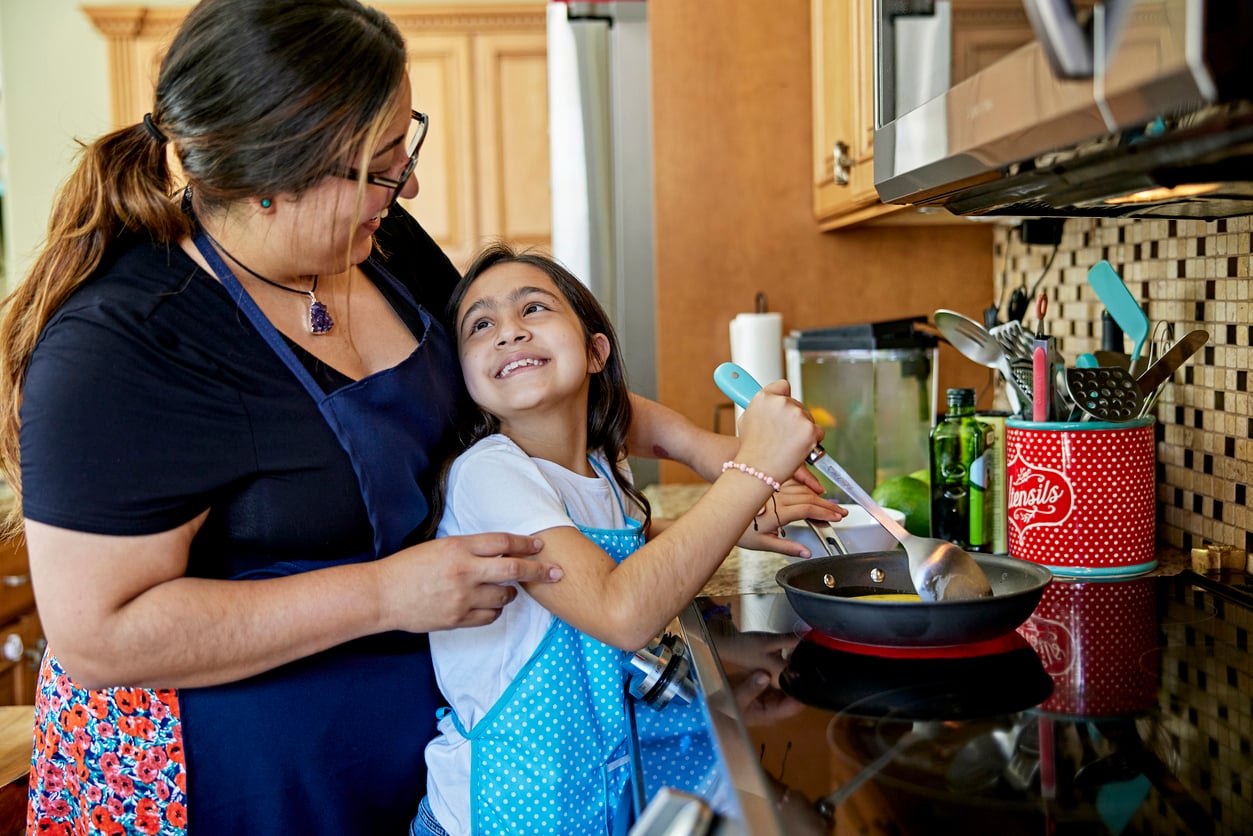
With restaurant meals and takeout costing more than ever, many parents are treating cooking as an essential life skill instead of simply a household chore.
Children are learning how to prepare simple breakfasts, pack lunches, cook basic dinners, and bake at younger ages. Family meal preparation has become an opportunity to teach budgeting, nutrition, and kitchen confidence all at once.
Parents often see these lessons as a long-term investment. A teenager who knows how to cook affordable meals may rely less on expensive convenience foods later in life, making cooking both a practical and financial skill.
Teenagers Are Waiting Longer to Get Driver’s Licenses

Getting a driver’s license at 16 was once considered a rite of passage, but economic realities are changing that timeline for many families.
Insurance premiums for young drivers can significantly increase household costs, while high vehicle prices and maintenance expenses make car ownership less attainable. As a result, some teenagers delay getting their licenses until they truly need them for work or college.
In areas with reliable public transportation or rideshare options, families often decide the added expense simply isn’t worth it. Driving is becoming a milestone based on necessity rather than age.
Families Are Planning Around Free Attractions

Vacations and weekend outings increasingly revolve around destinations that offer little or no admission cost. National parks, beaches, hiking trails, community festivals, museums with free days, and local events allow families to spend quality time together without stretching their budgets.
Many tourism organizations now actively promote these attractions as travelers seek greater value from every dollar they spend. Parents frequently discover that children enjoy nature trails, splash pads, and local festivals just as much as expensive attractions.
The trend reflects a growing focus on meaningful experiences rather than costly entertainment.
Date Nights Are Moving Home

Dinner, a movie, transportation, and babysitting can turn a simple evening out into a surprisingly expensive event. Instead of giving up date nights altogether, many couples are bringing them home.
Home-cooked dinners, backyard fires, board games, streaming movie nights, and dessert after the kids are asleep have become regular traditions for many households. These evenings often cost a fraction of a night out while offering greater flexibility.
Couples frequently say staying home removes the stress of reservations, travel, and babysitters, allowing them to focus on spending quality time together.
Side Income Is Becoming Part of the Family Budget

Freelance work, online reselling, food delivery, tutoring, consulting, and other side hustles have become an expected part of many household budgets rather than occasional bonus income.
Families often rely on extra earnings to fund vacations, youth activities, emergency savings, or debt payments. Some households openly budget around anticipated side income instead of treating it as optional.
This shift illustrates how many Americans are diversifying their income sources in response to higher living costs, creating greater financial flexibility while also requiring additional time and effort.
Multiple Generations Are Planning Housing Together

Housing has become a family conversation rather than an individual decision for many Americans. Parents, adult children, and grandparents increasingly discuss future living arrangements years in advance to prepare for rising costs and changing care needs.
Accessory dwelling units, finished basements, shared properties, and homes with separate living spaces are receiving renewed interest as families look for practical ways to support one another while maintaining some independence.
Rather than viewing housing as a purely personal milestone, many households now see it as a shared challenge that benefits from long-term planning across multiple generations.
Why These Changes Matter

The biggest impact of rising costs isn’t always reflected in monthly budgets—it’s reflected in the routines, traditions, and expectations that define family life. Choices about childcare, vacations, housing, retirement, and even birthday parties increasingly revolve around finding creative ways to stretch every dollar.
Many of these adjustments began as temporary responses to inflation but are gradually becoming permanent habits. Families are sharing more resources, relying more heavily on one another, and redefining what success looks like in an era of higher living costs.
If current economic trends continue, these adaptations may shape American family life for years to come, proving that some of the most significant effects of inflation are cultural rather than purely financial.