
Credit cards are often treated like a financial rite of passage. Open one early, use it often, collect points, build your score — that’s the standard advice.
But “common” doesn’t always mean “necessary.” For a lot of people, a credit card solves problems they don’t actually have, while introducing risks they’d be better off avoiding. If you already struggle with impulse spending, tend to carry balances, or simply prefer a simpler financial life, going without a credit card can be a smart decision instead of a sacrifice. Current Federal Reserve data shows credit card APRs remain high, and Consumer Financial Protection Bureau (CFPB) data continues to show how expensive revolving balances can become for households that don’t pay in full.
That doesn’t mean credit cards are useless. They can be convenient, and they do come with stronger legal protections in some purchase disputes than debit cards. But that’ is’s different from saying everyone needs one. In reality, it is possible to pay for everyday life, avoid interest, and even build credit without relying on revolving debt. The better question is not whether credit cards are popular, but do you need a credit card for your lifestyle and financial goals. In some cases, the answer is no.
Not Having a Credit Card Forces You to Live Within Your Means
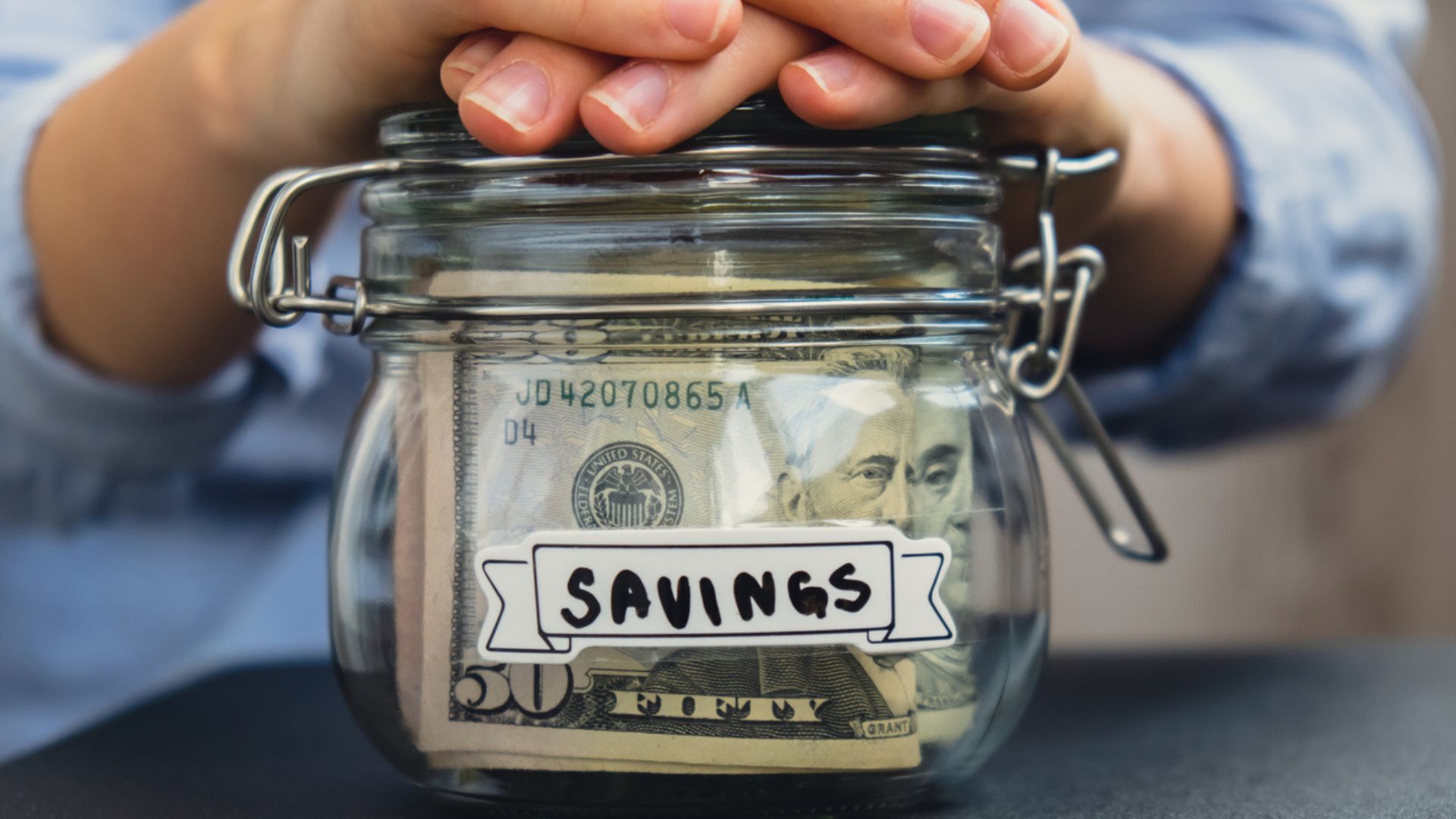
One of the biggest advantages of going without a credit card is that it creates a natural spending limit. When you use cash, debit, or money already sitting in your checking account, you are making purchases with funds you actually have — not borrowing against future income. That tends to make budgeting more honest, because every purchase is tied to your real cash flow rather than to a bill that will arrive weeks later. FTC guidance on payment cards makes the distinction plainly: Credit cards involve borrowing money, while debit cards pull directly from your bank account.
That difference matters more than it sounds. A person who doesn’t have access to revolving credit is less likely to normalize the idea that everyday overspending can be cleaned up later. Instead, they are pushed toward choices like delaying purchases, saving first, or cutting back elsewhere. Those aren’t glamorous habits, but they are often the habits that produce long-term stability.
You Can Avoid High-Interest Debt Entirely
This is the most practical argument against needing a credit card: If you never carry a credit card balance, you never owe credit card interest. As of the Federal Reserve’s latest G.19 release, average APRs on commercial bank credit card plans were about 21% across all accounts and 21.52% for accounts assessed interest. At those rates, a relatively modest balance can become expensive fast, especially if repayment stretches over months instead of weeks.
The CFPB has repeatedly highlighted how costly this can be. Its credit card market reporting shows that interest and fees absorb a huge share of what revolving cardholders pay, and consumers who carry balances often pay far more in borrowing costs than they receive back in rewards. That’s why the math on “earning points” breaks down quickly the moment a balance starts rolling from month to month. If you remove credit cards from the equation, you remove one of the easiest paths into expensive consumer debt.
You Eliminate the Minimum-Payment Trap
One reason credit card debt lingers is that the monthly minimum makes it feel manageable, even when it’s quietly getting more expensive. The CFPB notes that if you make only the minimum payment, it can take years to pay off a credit card balance, and the more you pay each month, the less interest you pay over time. That structure encourages delay: The bill looks small in the short term, but the true payoff timeline is much longer.
Without a credit card, there is no illusion of affordability created by a low required payment. You either have the money for the purchase or you don’t. That can feel restrictive in the moment, but it also keeps a short-term spending decision from turning into a multi-year repayment problem. For people who value clarity and control, that alone is a strong reason not to rely on credit cards.
Yes, You Can Build Credit Without a Credit Card

A lot of people keep a credit card because they believe it’s the only way to build a credit history. Good news: That’s not true. The CFPB says some loans can help consumers build or rebuild credit history, and stresses that on-time payments are what matter most. Experian likewise notes that you can have a credit score without ever having a credit card, because installment loans and other reported payment data can contribute to your file.
In practice, that means credit-builder loans, student loans, auto loans, certain reported rent payments, and some utility or subscription reporting programs can all help establish credit. Positive rent data, for example, may appear in standard Experian credit reports through RentBureau, and Experian specifically lists household bill reporting and credit-builder loans among ways to build credit without carrying a traditional card. So while a credit card may be one route, it is far from the only one.
Debit and Bank-Based Spending Can Cover Most Daily Life
For everyday purposes — groceries, gas, restaurants, subscriptions, transit, and online shopping — many people can function perfectly well with a checking account, debit card, or prepaid option. The FTC’s comparison guide makes clear that different payment cards serve different roles, and nothing in modern banking requires a person to borrow in order to transact. If your goal is simply to pay bills and buy what you need, a credit card is often a convenience, not a necessity.
That distinction is useful because it reframes the issue. Many people open credit cards not because they actively want debt, but because they assume they need one to participate in normal financial life. In reality, they may only need a reliable bank account, a cushion in savings, and a payment method that does not tempt them to overspend. For a disciplined spender, a credit card can be neutral; for everyone else, cutting it out may be the simpler and safer move.
Trending on Cheapism

It Can Simplify Your Finances and Reduce Mental Clutter
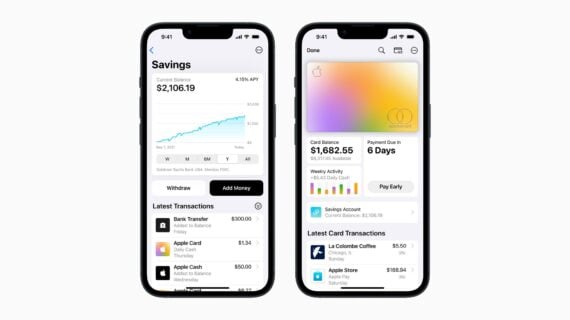
A no-credit-card setup usually means fewer moving parts. There is no statement closing date to track, no interest calculation to monitor, no utilization ratio to manage, and no risk of forgetting a payment and getting hit with a late fee. The CFPB’s broader credit guidance emphasizes that payment history and account management affect both your borrowing costs and your credit standing, which means credit cards add another account that has to be handled correctly every month.
For some people, that complexity is easy to manage. For others, it creates just enough friction to cause mistakes — a missed payment here, a creeping balance there, a late fee that could have been avoided. There is real value in a financial system that is boring and hard to mess up. If removing credit cards helps you stay organized, that’s a meaningful benefit, not a limitation.
You Are Less Likely to Confuse Rewards With Savings

Credit card marketing is very good at making rewards feel like free money. Cash back, travel points, signup bonuses, lounge access — the perks can make card ownership sound profitable. But rewards only work in your favor if you pay in full and never let the structure of the card change your spending habits. The CFPB has pointed out that consumers carrying revolving balances paid far more in interest and fees than they earned in rewards, which is the part of the equation many people overlook.
That’s why people who choose not to use credit cards often end up better off than they appear on paper. They may not collect points, but they also avoid the interest charges, late fees, and overspending that can wipe out the value of those perks many times over. A person who spends less and owes nothing is not “missing out” nearly as much as credit card advertising would suggest.
It Encourages Stronger Savings Habits
When a credit card is always available as a backup, it’s easy to postpone building a real emergency fund. People tell themselves they will “just put it on the card” if something unexpected comes up. The problem is that a credit card is not emergency savings; it is emergency borrowing, often at a high rate. Federal Reserve data and CFPB guidance both underline how costly that borrowing can become once a balance starts accruing interest.
Without a credit card safety net, you’re more likely to prepare in advance. That can mean keeping more in checking, building a cash buffer, or planning for irregular expenses before they happen. Those habits are slower to build than a credit limit, but they are also much sturdier. They leave you with actual money set aside, not just permission to go into debt.
Sign up for our newsletter
The Tradeoff Is Real, but It’s Usually Manageable
The strongest argument for credit cards is not that they are necessary, but that they can offer better protections in some situations. The FTC notes that consumer protections for debit cards differ from those for credit cards, and specifically says you may not be able to get a refund on a debit card for non-delivery or receiving the wrong item in the same way you might with a credit card dispute. That is a legitimate advantage of credit cards, especially for major online purchases or travel bookings.
Still, that’s just one reason to prefer a credit card in certain transactions, not proof that everyone needs one all the time. Plenty of consumers decide the debt risk is bigger than the convenience benefit, and for them, the tradeoff is worth it. If going without a credit card helps you spend more carefully, sleep better, and avoid carrying balances, you may be giving up a few perks while gaining something more valuable: financial stability.
More From Cheapism

- Why Now Is a Great Time to Freeze Your Credit — With cyber threats and data breaches becoming more common, putting a freeze on your credit can add a powerful layer of protection against identity theft without affecting your score.
- Don’t Fall for These 7 Credit Card Rewards Traps — Those tempting points, bonuses, and perks can actually cost you more if they push you to overspend, pay fees, or miss out on rewards altogether.
- When to Pay With Cash: 16 Times It Beats Cards — In everyday situations, using cash instead of credit can help you avoid fees, stick to a budget, and even score better deals from businesses.