If you grew up in the 70s, some of the smallest details can bring the decade rushing back: rotary phones, shag carpet, Saturday morning cartoons, paper road maps, and giant console TVs that doubled as furniture. The era was far more analog than life today, and even ordinary routines worked differently. The Smithsonian preserves countless objects and images from the decade, showing just how distinctive everyday life looked. These 16 memories capture the kinds of things many people barely think about until they see them again.
Rotary Phones With Cords That Barely Reached Anywhere
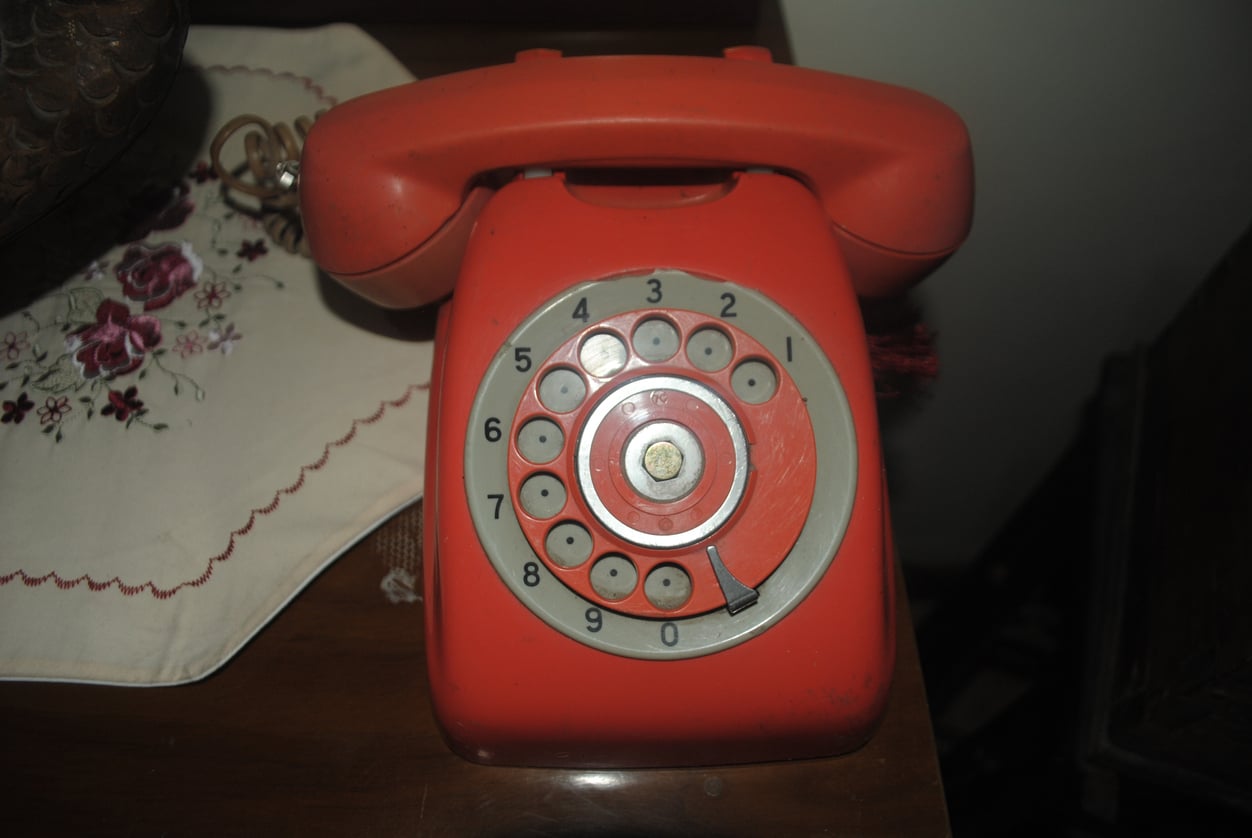
Calling a friend required commitment. The family phone might be attached to a kitchen wall, and privacy depended largely on whether anyone else happened to be standing nearby. Rotary dialing meant sticking a finger into the appropriate hole, pulling the dial around, and waiting for it to click back before entering the next digit. Many Bell System customers did not even own their phones – they leased them from the telephone company. A Smithsonian Princess phone from 1969 is literally stamped “Bell System Property / Not For Sale.”
Having Only a Handful of TV Channels
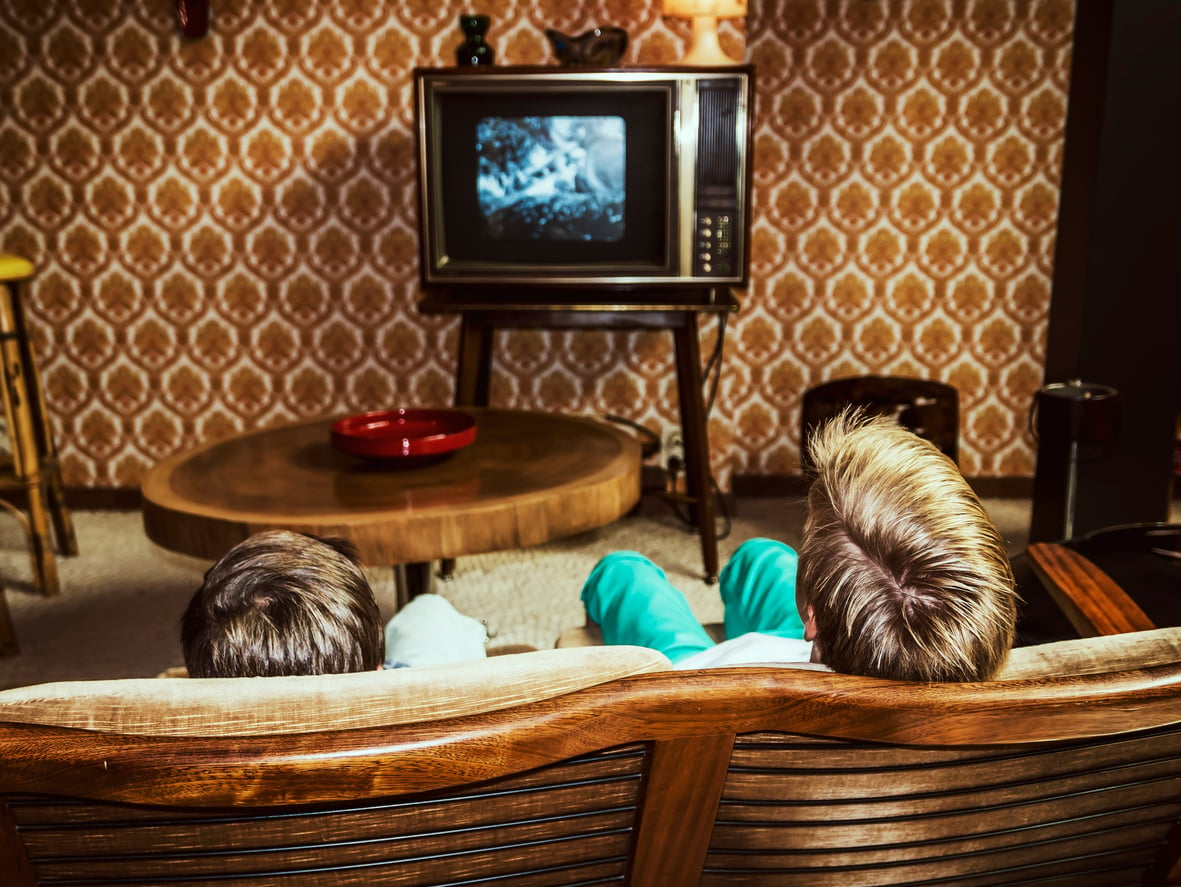
There might have been ABC, CBS, NBC, PBS, and a few local or independent stations, depending on where you lived. The exact lineup varied considerably, so the old “three channels” memory is a little too simple. FCC records show that the median U.S. household could receive about six broadcast signals in 1975, while cable was still far from the dominant force it later became. If two favorite programs aired simultaneously, there was no DVR, streaming app, or restart button. You simply chose one.
Saturday Morning Cartoons Being an Actual Event
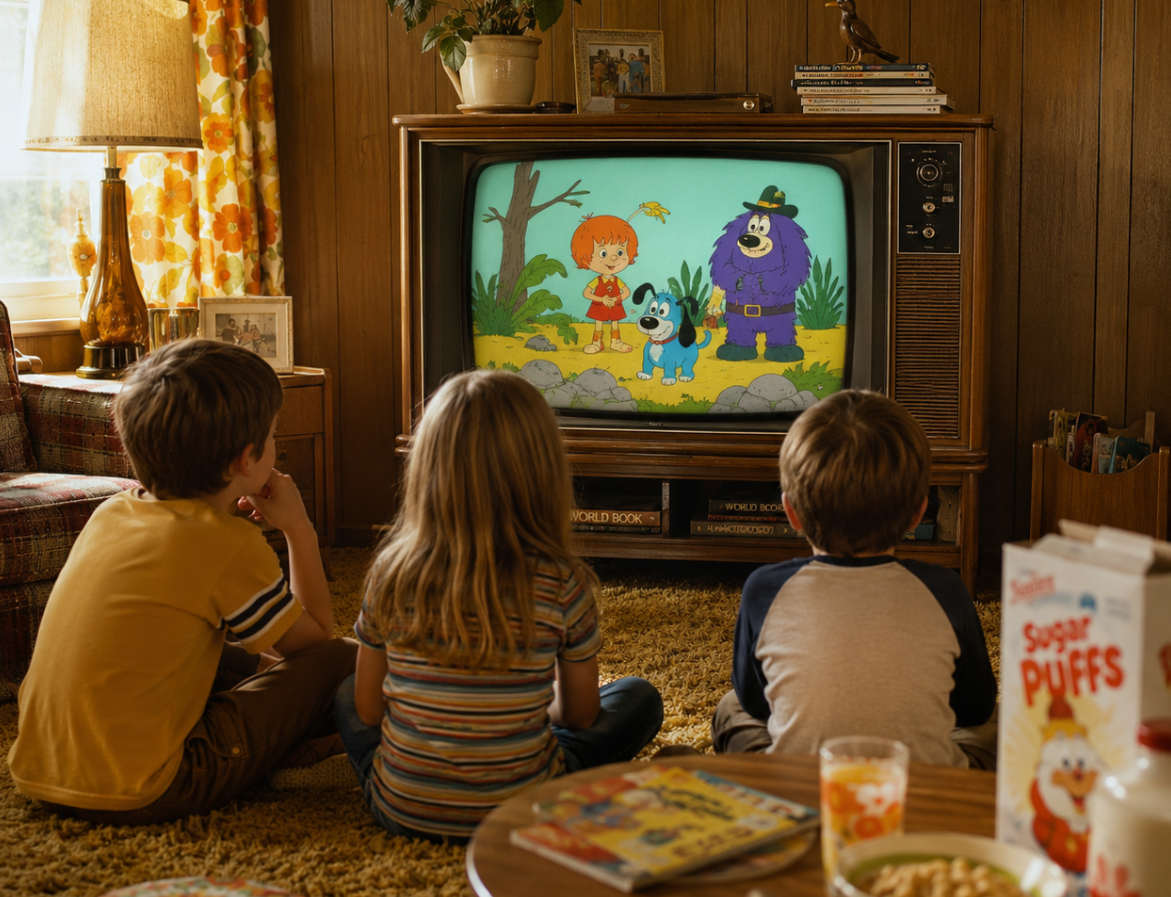
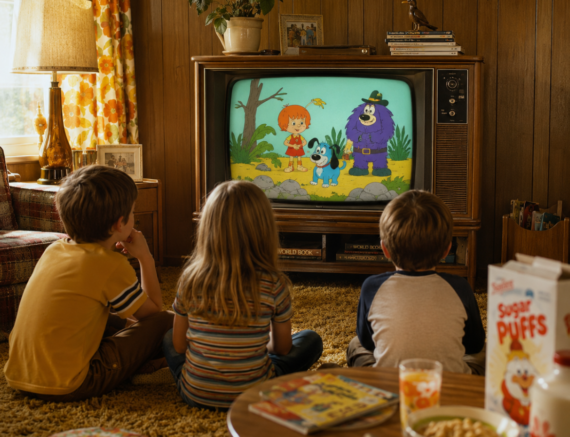
Saturday morning was appointment television for kids. The Library of Congress notes that networks had begun filling weekend mornings with cartoons by the early 1960s and that by the decade’s end, watching several hours of cartoons and kid-targeted commercials had become a ritual in many homes. By the 1970s, the lineup could include “Scooby-Doo,” “Super Friends,” “Fat Albert,” and snippets of “Schoolhouse Rock!,” which debuted on ABC in 1973. Missing something meant waiting, not pulling it up five minutes later.
Encyclopedias Taking Up an Entire Bookshelf

Before typing a question into a search box, there was the family encyclopedia. Researching a school report could mean hauling down the correct World Book or Encyclopaedia Britannica volume, flipping through an index, and copying notes by hand. These sets were major household purchases, too. Britannica’s primary sales method was direct in-home selling, and the industry became notorious enough for aggressive sales tactics that federal regulators intervened during the 1970s. Owning the whole alphabet in matching volumes could feel like having the world’s knowledge sitting in the living room.
School Filmstrips and Projectors
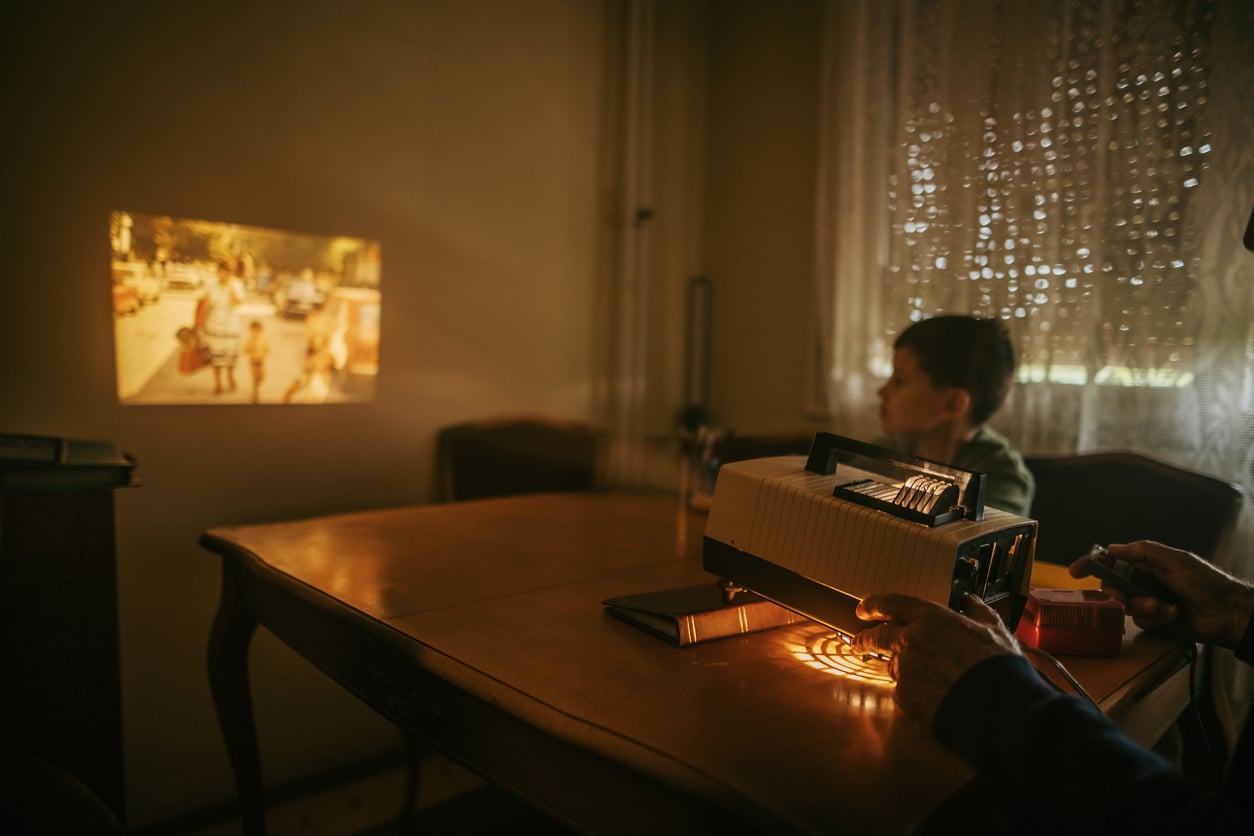
Few things improved a school day faster than the teacher turning off the lights and rolling out audiovisual equipment. Filmstrips showed still images one frame at a time rather than moving pictures, often accompanied by narration on a record or cassette. That familiar beep told the teacher – or one lucky student – when to advance to the next image. A 35mm filmstrip projector in a Texas library collection is described as standard school and library audiovisual equipment beginning around 1965, before VHS gradually pushed the technology aside.
Trending on Cheapism


Shag Carpet You Could Lose Things In

Few flooring choices announce the 1970s quite like shag. Its unusually long pile made rooms feel soft and cozy, but it also had a talent for swallowing coins, crumbs, small toys, and practically anything else dropped into it. The style became closely associated with homes of the 1960s and 1970s and was notoriously difficult to clean. Add avocado green, burnt orange, or harvest gold, and the room could look like a perfect time capsule. Some households even used special carpet rakes to fluff flattened fibers back up.
Avocado Green and Harvest Gold Appliances
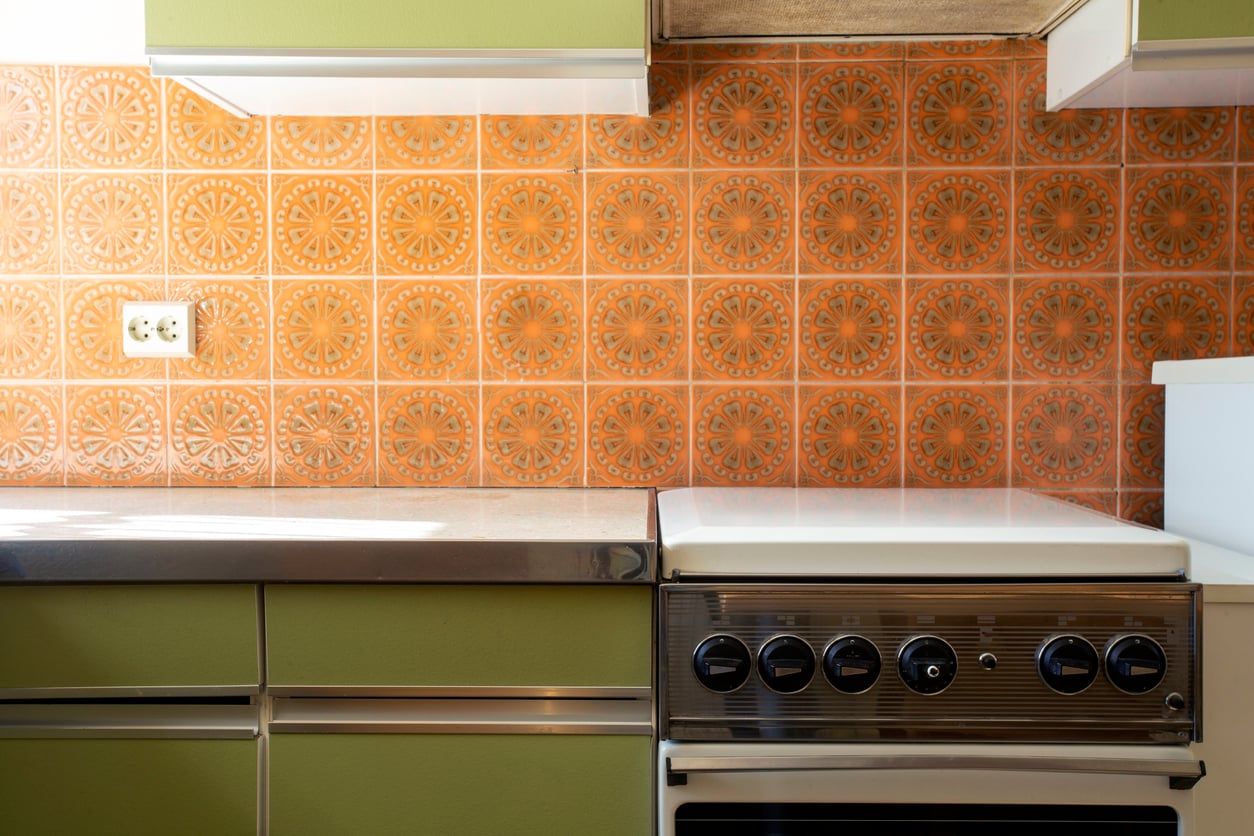
Today’s stainless-steel kitchens would have looked remarkably colorless in parts of the 1970s. Refrigerators, ranges, dishwashers, sinks, and other fixtures came in earthy shades including avocado green and harvest gold, often surrounded by dark wood cabinets and patterned flooring. Design historian Sarah Archer notes that these colors were appearing regularly in major shelter magazines as the decade’s earth-tone aesthetic took hold. A 1970s Kohler brochure even featured an avocado-green sink. For some families, the refrigerator alone could instantly date the entire kitchen.
Wood Paneling Everywhere
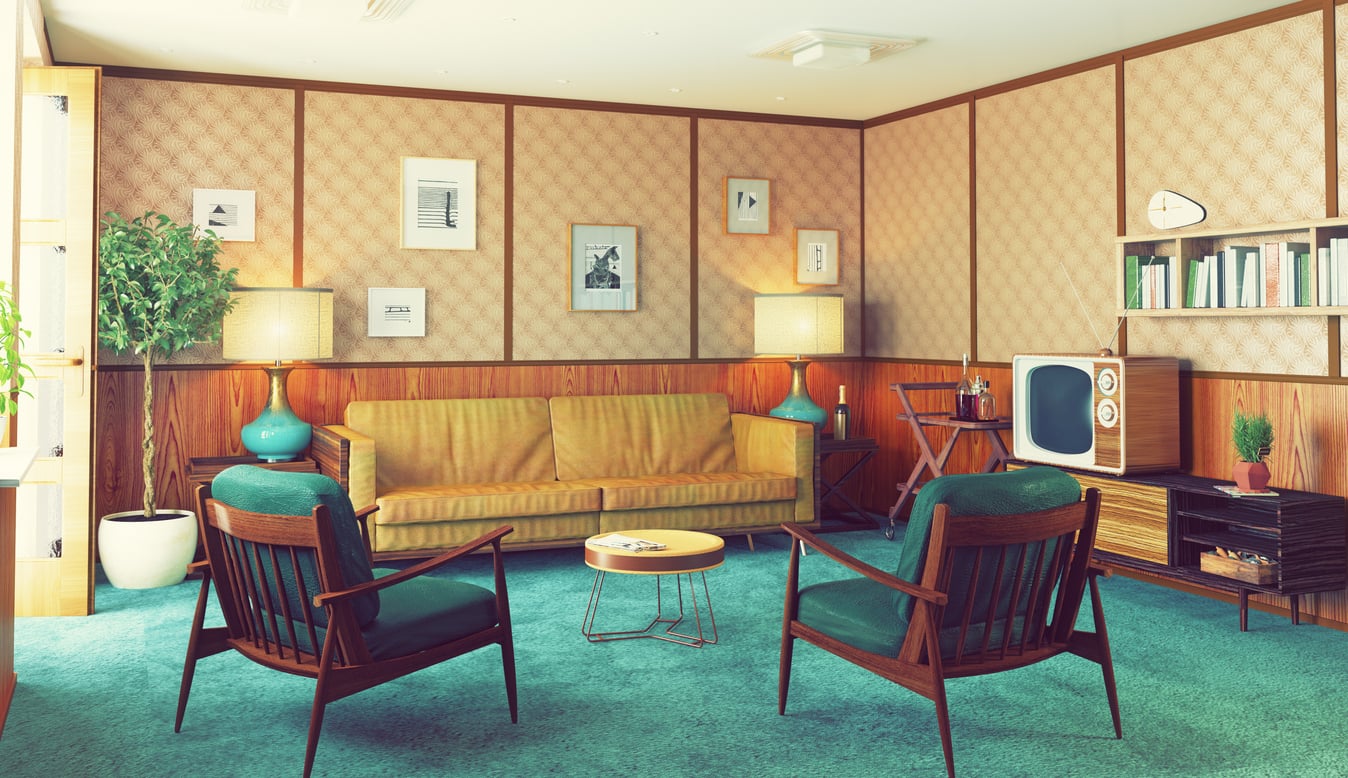
If the shag carpet did not tell you what decade you were in, the walls probably did. Wood paneling – sometimes real veneer, sometimes inexpensive faux wood – covered countless dens, basements, family rooms, and rec rooms. It paired naturally with brown furniture, orange upholstery, brass lamps, and those giant television cabinets. Period-inspired design histories consistently identify wood paneling as one of the era’s signature looks. The upside was a cozy, finished room. The downside was that covering four walls in dark faux walnut could make even a sunny room feel like a basement.
Sign up for our newsletter
Giant Console Televisions That Were Basically Furniture
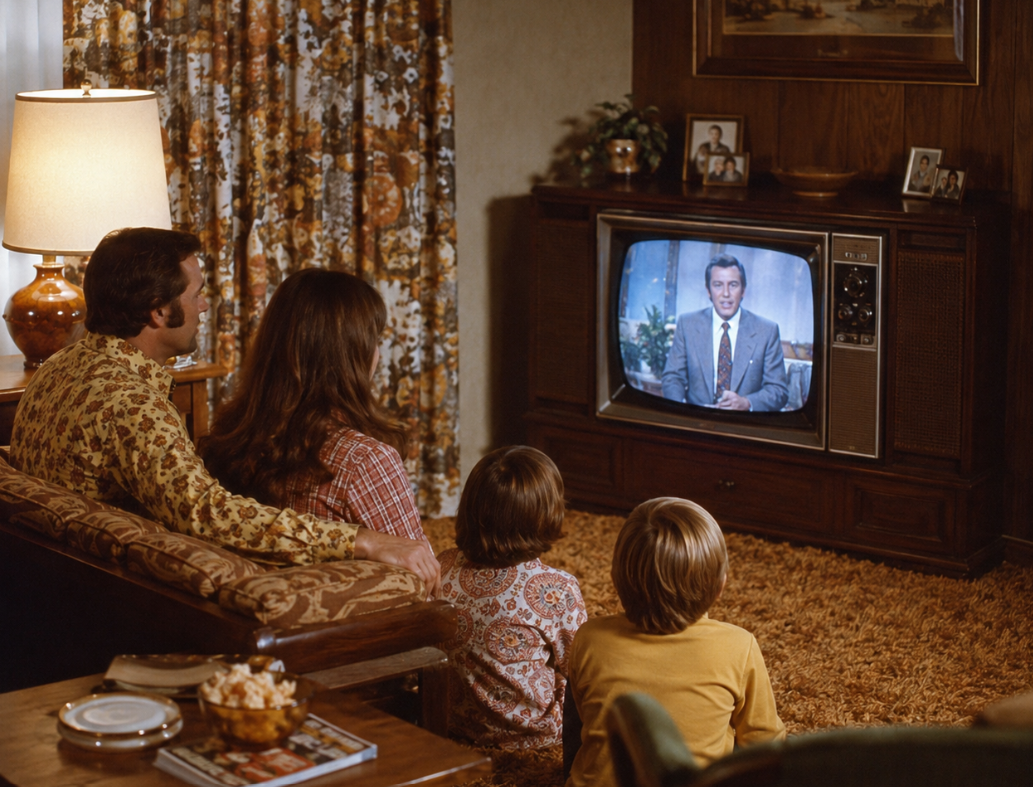
A television did not hang invisibly on the wall. It could occupy a substantial patch of floor inside a large wood cabinet complete with speaker grilles, channel knobs, and enough surface area on top for framed photographs. These console sets generally used cathode-ray tubes, which required far more depth than today’s flat screens. One preserved 1974 color console television measures more than 53 inches wide despite having what would now be considered a modest screen. When one stopped working, repairing the substantial piece of furniture often made more sense than tossing it out.
Record Players, 45s, and Stacks of Albums
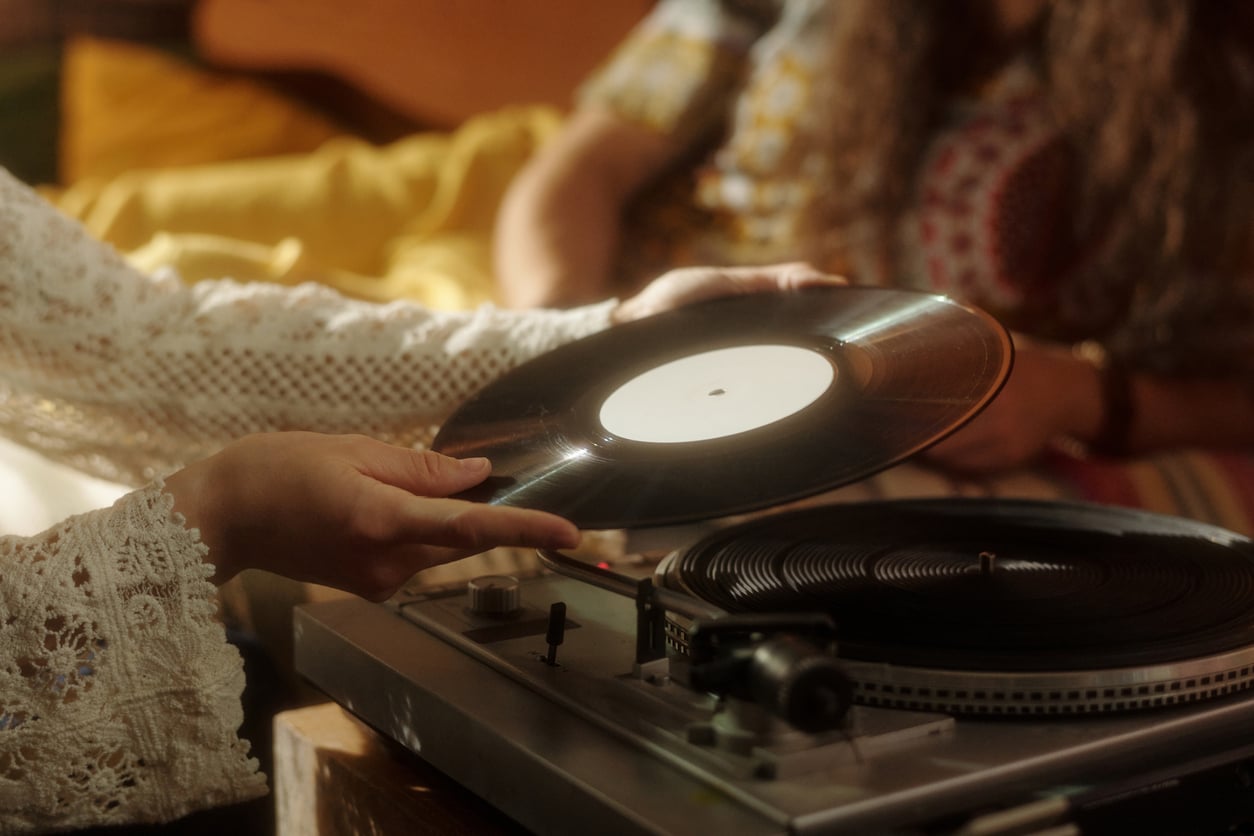
Music collections once took up actual physical space. LPs came with large covers, liner notes, photos, lyrics, and artwork worth staring at while the record played. Singles were commonly sold on 45 rpm discs, and many had a large center hole that required the little plastic “spider” adapter to fit a standard turntable spindle. Playing Side B meant physically flipping the record over, while replaying your favorite song required carefully moving the needle backward. There was no shuffle button, but choosing what came next was half the ritual.
Station Wagons With Kids Riding in the Very Back

Before the minivan became the default family hauler, the station wagon ruled countless road trips. Models such as Ford’s Country Squire offered enormous cargo areas, faux wood-grain trim, and additional rear seating configurations. Some versions even had opposing side-facing seats in the cargo area, while other wagons became famous for backward-facing third rows. Kids could spend a trip staring directly at the drivers behind them while luggage, coolers, pillows, and maps filled whatever space remained. It was spacious family transportation, though the seating arrangements look decidedly unusual by modern standards.
Paper Road Maps Filling the Glove Compartment
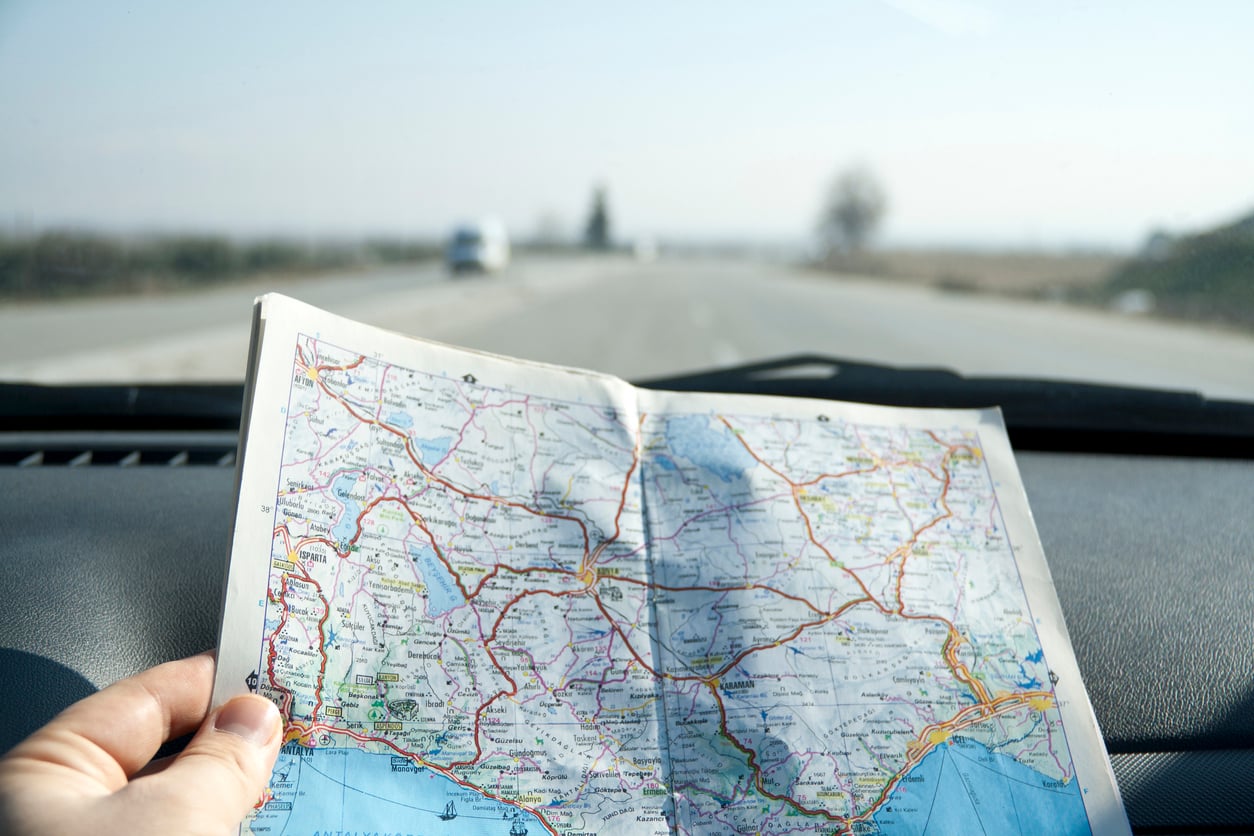
Getting lost once required more creativity. Drivers carried folding state maps, road atlases, handwritten directions, and enough optimism to believe the navigator could refold everything afterward. There was no blue dot showing exactly where the car was, and a missed turn did not prompt a calm electronic voice to recalculate. Somebody had to find the road on paper, argue about whether north was up, and figure out a new route. Asking a gas-station attendant for directions was not admitting defeat; sometimes it was simply the fastest navigation technology available.
TV Dinners in Aluminum Trays
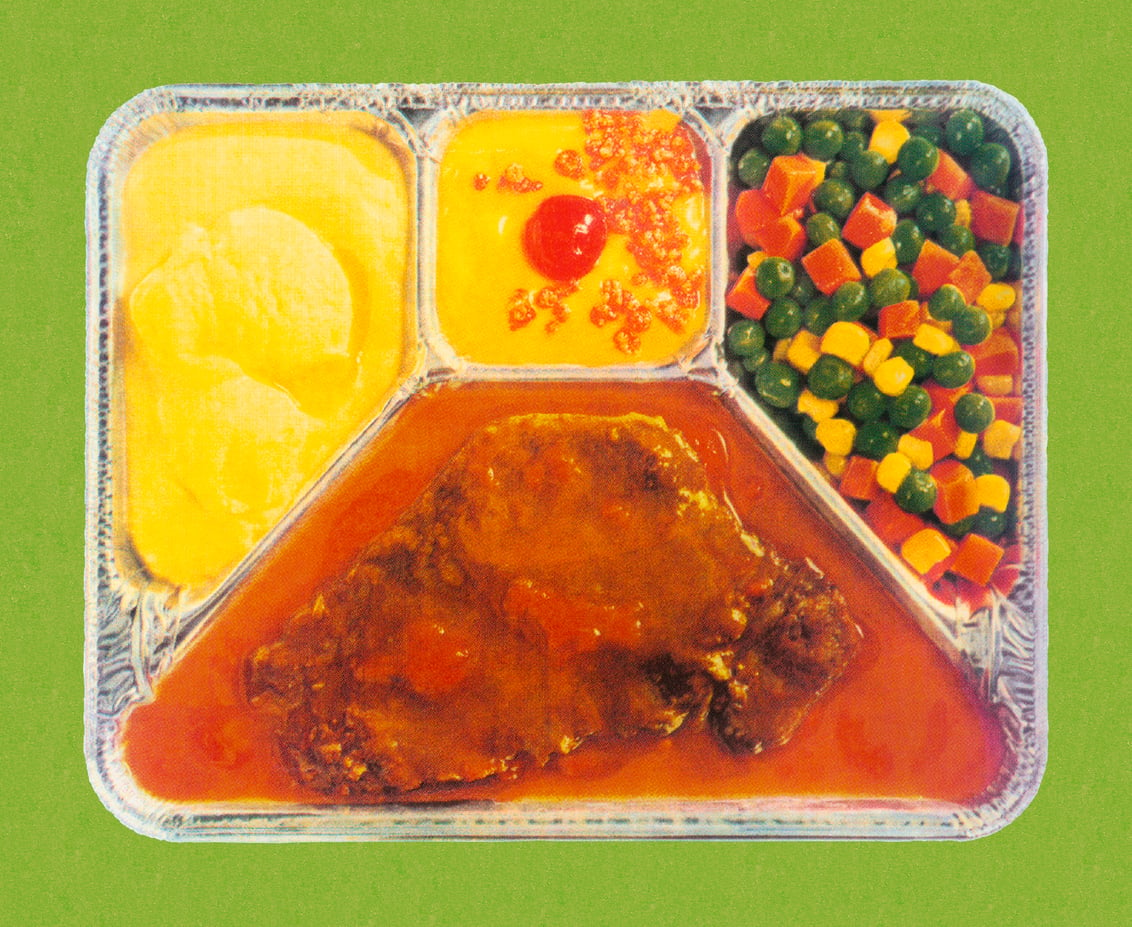
A frozen dinner could arrive divided into neat little compartments containing meat, potatoes, vegetables, and dessert. Because the classic trays were aluminum, they went into a conventional oven rather than a microwave. Early Swanson TV Dinners established the format well before the 1970s, and the compartmentalized oven tray remained instantly recognizable during the decade. It was convenience food with built-in entertainment value: part of the excitement was discovering whether the brownie was still frozen or approximately the temperature of molten lava.
Clackers That Sounded Like a Construction Site

Clackers were wonderfully simple and slightly alarming: two hard balls attached to cords that were swung so they smashed together above and below the player’s hand. The faster they moved, the louder and more satisfying the noise became – assuming they did not whack your wrist. Federal officials had a more serious concern. In 1971, the FDA reported injuries caused when some balls shattered or detached from their cords and proposed rules treating unsafe versions as hazardous toys. So yes, the toy really was capable of being as questionable as people remember.
Lawn Darts That Actually Had Metal Points
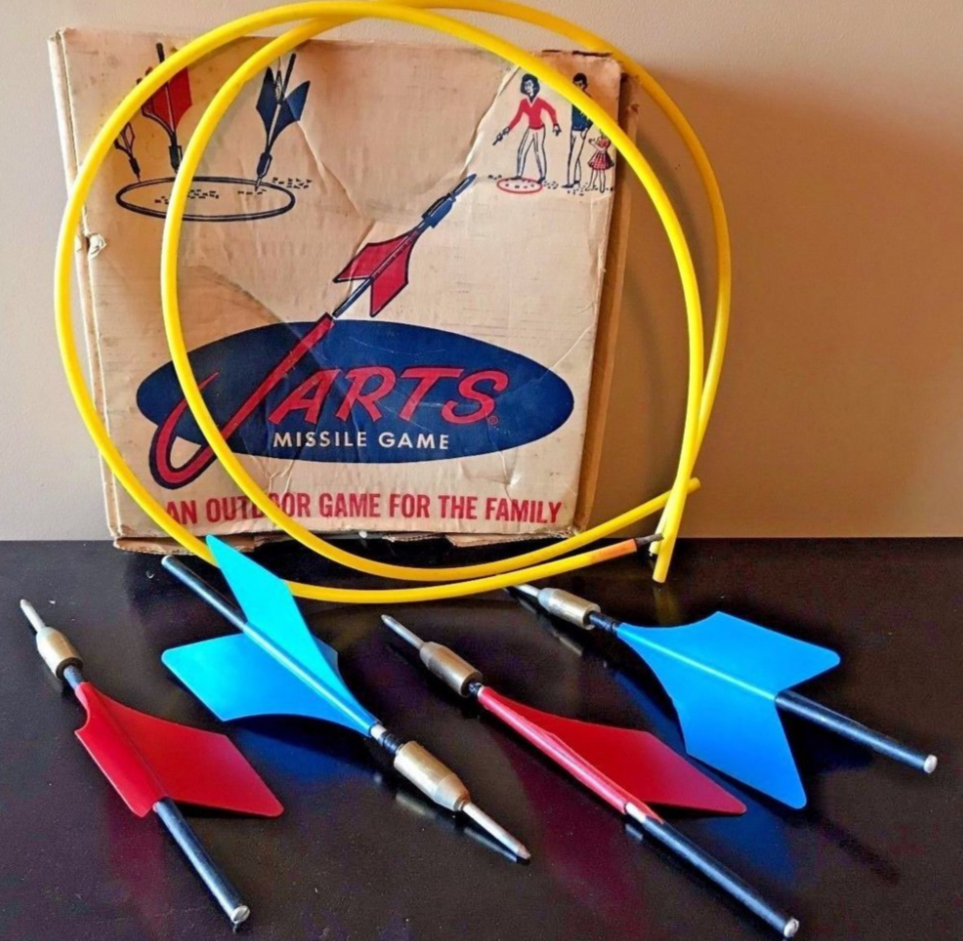
Jarts were not the soft, rounded lawn toys sold today. Traditional lawn darts were large weighted darts designed to be tossed underhand so their pointed ends would stick into the ground inside a target ring. That worked exactly as intended – until a person happened to be where the dart landed. Federal authorities had already imposed restrictions in 1970, but injuries continued. The Consumer Product Safety Commission ultimately banned the sale of pointed lawn darts in 1988 after thousands of emergency-room injuries and several deaths.
Being Told to Go Outside and Come Home When the Streetlights Came On
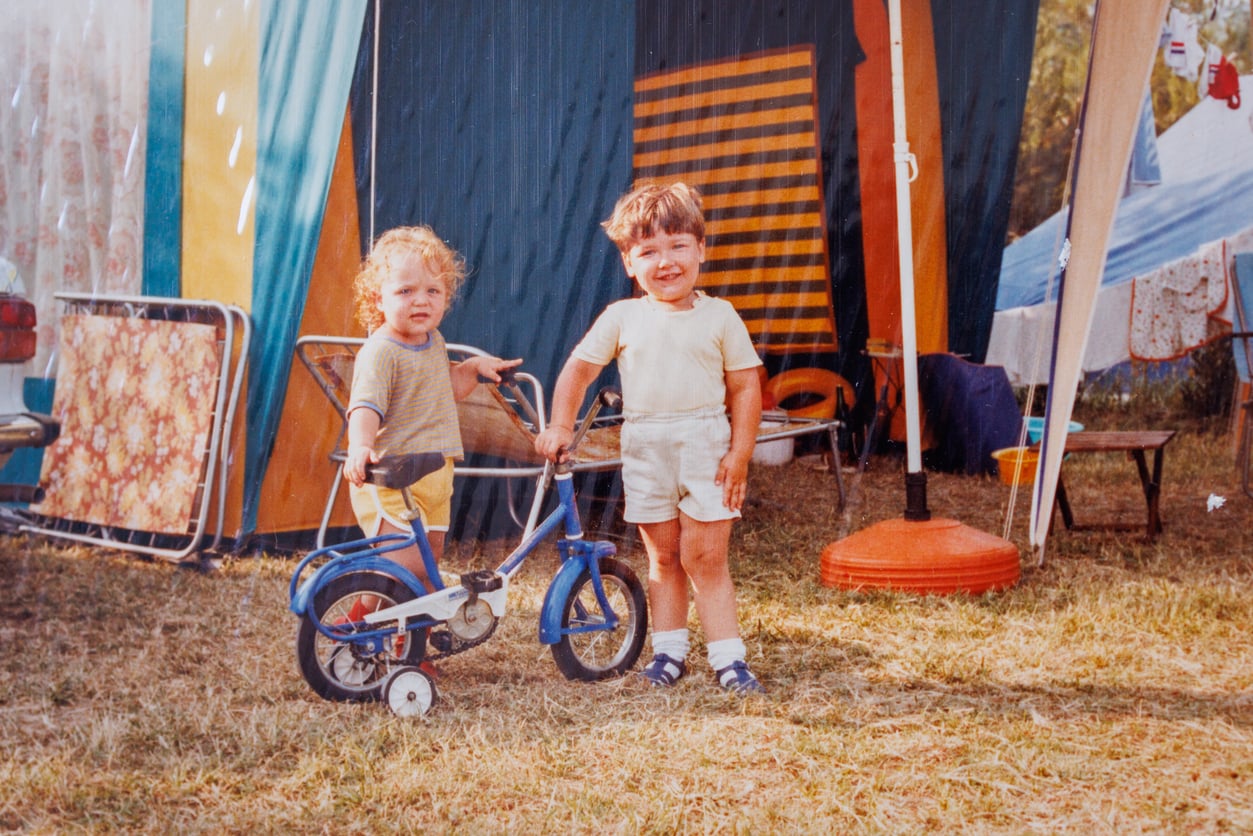
For many children, an ordinary afternoon involved getting on a bike, knocking on friends’ doors, forming an improvised baseball game, exploring the neighborhood, or simply disappearing from parental sight for a remarkably long time. There were no smartphones in pockets and certainly no location-sharing apps. Dinner, darkness, streetlights, or a parent shouting your name could function as the signal to head home. Not every family gave children the same freedom, but the memory of largely unstructured neighborhood play remains one of the strongest dividing lines between childhood then and childhood now.