
Buying a car is stressful enough without a dealer quietly tacking on hundreds — or even thousands — of dollars in so-called dealer fees you can refuse. From VIN etching to nitrogen-filled tires, many of these add-ons are framed as must-have protections when they’re really just high-markup extras you don’t need. The good news? Most of them are optional, and you’re well within your rights to say no.
Here are eight sneaky dealer fees you can confidently refuse, and what to do instead.
VIN Etching

What it is: VIN etching is when the dealer engraves your vehicle identification number onto the windows and sells it as theft prevention.
Why it’s kind of a scam: The service is cheap to perform but often marked up massively, and it doesn’t reliably prevent theft or guarantee you’ll get an insurance discount.
Refuse it / do this instead: Tell them to remove it from the buyer’s order. If you actually want it, buy a low-cost DIY kit later or focus on better theft protection like comprehensive coverage and basic anti-theft practices.
Fabric Guard / Interior Protection
What it is: Fabric guard is a sprayed-on coating that’s supposed to protect your seats and carpets from stains.
Why it’s kind of a scam: Dealers charge a premium for a product that’s often comparable to inexpensive store-bought protectants, and you can’t easily confirm whether it was applied thoroughly (or at all).
Refuse it / do this instead: Decline the add-on and use a reputable DIY fabric protectant, seat covers, or occasional detailing — those options usually cost far less and work just as well.
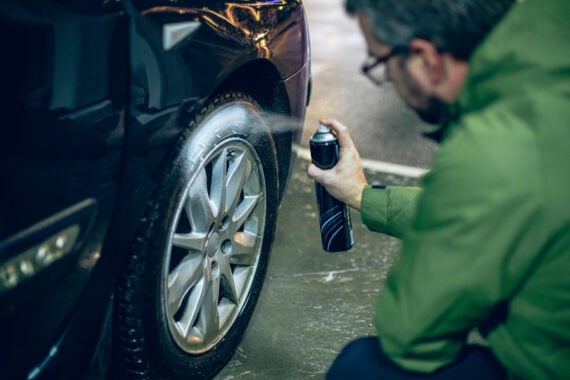
Nitrogen Tire Fill

What it is: The dealer replaces regular air in your tires with nitrogen and sells it as a performance and maintenance upgrade.
Why it’s kind of a scam: Regular air is already mostly nitrogen, so the real-world benefit for normal driving is minimal, but dealers still charge a hefty fee for something you don’t need.
Refuse it / do this instead: Say no and just keep your tires properly inflated using free or cheap air. You should also check pressure regularly, especially with seasonal temperature changes.
Paint Protection / “Ceramic” or Clear Coat Package
What it is: This is an extra coating the dealer claims will protect the paint from sun, bird droppings, scratches, and fading.
Why it’s kind of a scam: New cars already come with factory clear coat, and dealer “protection” packages are frequently overpriced for what they actually provide, sometimes with vague promises and weak warranty coverage.
Refuse it / do this instead: Decline it and protect your paint with regular washing and waxing. If you want a true upgrade, pay an independent professional detailer for a reputable ceramic coating with clear terms.
Door Edge Guards
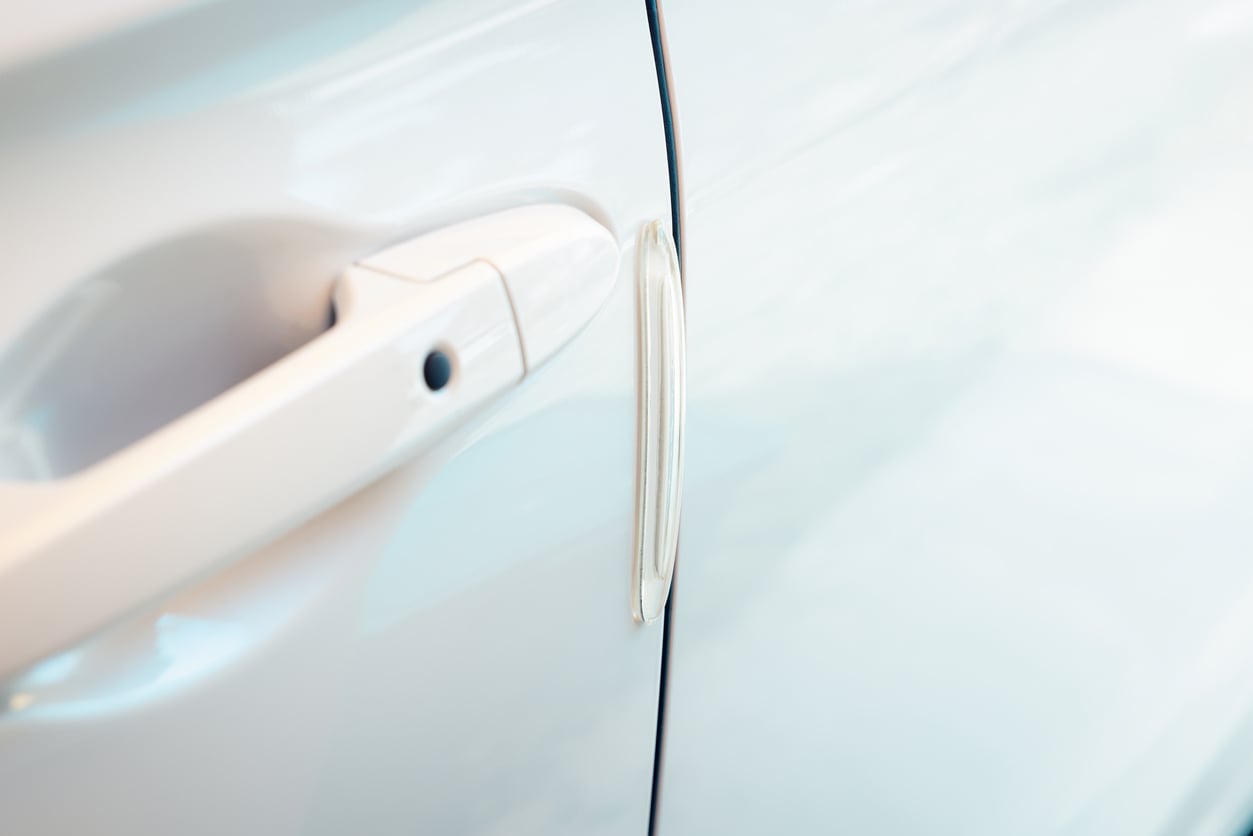
What it is: These are cosmetic add-ons like stick-on edge guards, cheap pinstripes, and small trim pieces that show up as an “appearance package.”
Why it’s kind of a scam: The materials are inexpensive and the labor is minimal, but the markup can be huge because it’s hard for buyers to price-check on the spot.
Refuse it / do this instead: Tell the dealer you’re not paying for appearance add-ons and want them removed from the contract; if you like the look, you can add these later for far less at an auto shop or online.
Trending on Cheapism

Wheel and Tire Protection
What it is: A plan that covers certain wheel/tire repairs or replacements from hazards like potholes or nails.
Why it’s kind of a scam: These plans can be expensive, have exclusions, and may only pay out in limited scenarios, meaning many buyers spend more on the plan than they ever get back.
Refuse it / do this instead: Skip it, keep a small emergency fund for tire issues, and consider roadside assistance or a tire shop warranty only if it clearly costs less than likely repairs in your area.
Key Replacement
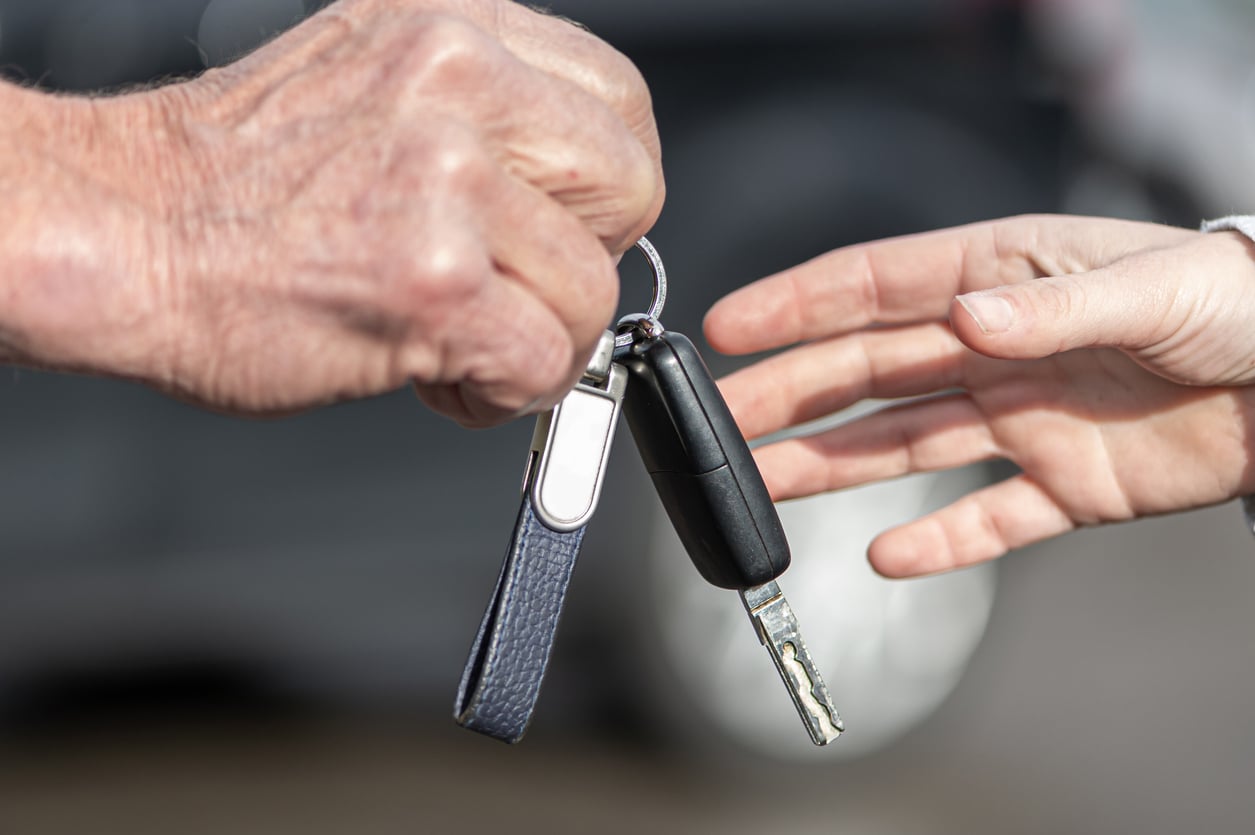
What it is: Coverage that claims to pay for replacement key fobs if you lose them or they’re stolen.
Why it’s kind of a scam: It’s usually priced high relative to the odds you’ll need it, and coverage limits and rules can make it less useful than it sounds.
Refuse it / do this instead: Don’t buy it at the dealership. Keep a spare key, check whether your roadside assistance plan already includes help, and if you need a replacement later, compare locksmith and dealership pricing at that time.
Extended Warranty (Especially Third-Party)
What it is: An extra service contract sold in the finance office that promises to cover repairs after the factory warranty ends.
Why it’s kind of a scam: Third-party warranties are often marked up, packed with exclusions, and pushed with high-pressure tactics, which is a strong hint the value is better for the dealer than for you.
Refuse it / do this instead: If you want extended coverage, research manufacturer-backed options and pricing outside the dealership environment, and never let urgency force a same-day decision.
Sign up for our newsletter
More From Cheapism
- These 10 Car Brands Are the Cheapest to Maintain, According to Consumer Reports — Before you buy your next car, check out which brands actually cost less to keep on the road over time; Consumer Reports data shows there’s a big difference in maintenance and repair bills that could save you serious cash.
- 14 Things People Say at Car Dealerships Right Before Overpaying — Saying the wrong thing at the dealership can cost you hundreds or even thousands more, so learn the phrases to avoid and how savvy shoppers steer clear of common sales traps.
- $1,000 Monthly Car Payments Are Becoming the New Normal — With more buyers than ever taking on four-figure monthly car payments due to rising prices and loan costs, you’ll want to understand why this trend is exploding and what it means for your budget.