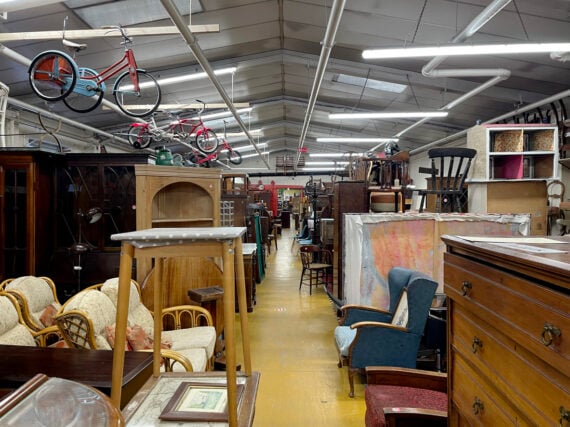
Thrift shopping is part treasure hunt, part strategy. You might walk in looking for a lamp and leave with a perfect side table, a vintage bracelet, or the exact bookshelf your space has been missing. But experienced thrifters on Reddit know that scoring a great find often comes down to being prepared. A few small tools tucked into your bag or car can help you check measurements, test electronics, inspect materials, and avoid bringing home something that doesn’t work, doesn’t fit, or just isn’t worth it.
Here are 10 useful things to bring to a thrift store, according to clever shoppers who have clearly learned from experience.
A Small Measuring Tape
A compact measuring tape is one of the most essential tools for any thrift shopper. It’s useful for everything from checking furniture dimensions to measuring clothing when fitting rooms aren’t available. Whether you’re eyeing a bookshelf, a wall clock, or a pair of jeans, being able to measure on the spot helps you avoid guesswork — and regret — later.
Don’t want to carry around a bulky measuring tape? A piece of string marked with various measurements can serve just as well. “This is genius!” commented one Redditor in response to the string suggestion.
AA and AAA Batteries
Batteries are an easy addition that can save you from buying something that doesn’t work. Many thrift stores don’t provide tester batteries, so bringing your own lets you quickly check clocks, toys, remotes, and other battery-powered items. It’s a simple trick that can make a big difference, especially if you frequently shop for small electronics or decor.
Hand Sanitizer or Sanitizing Wipes
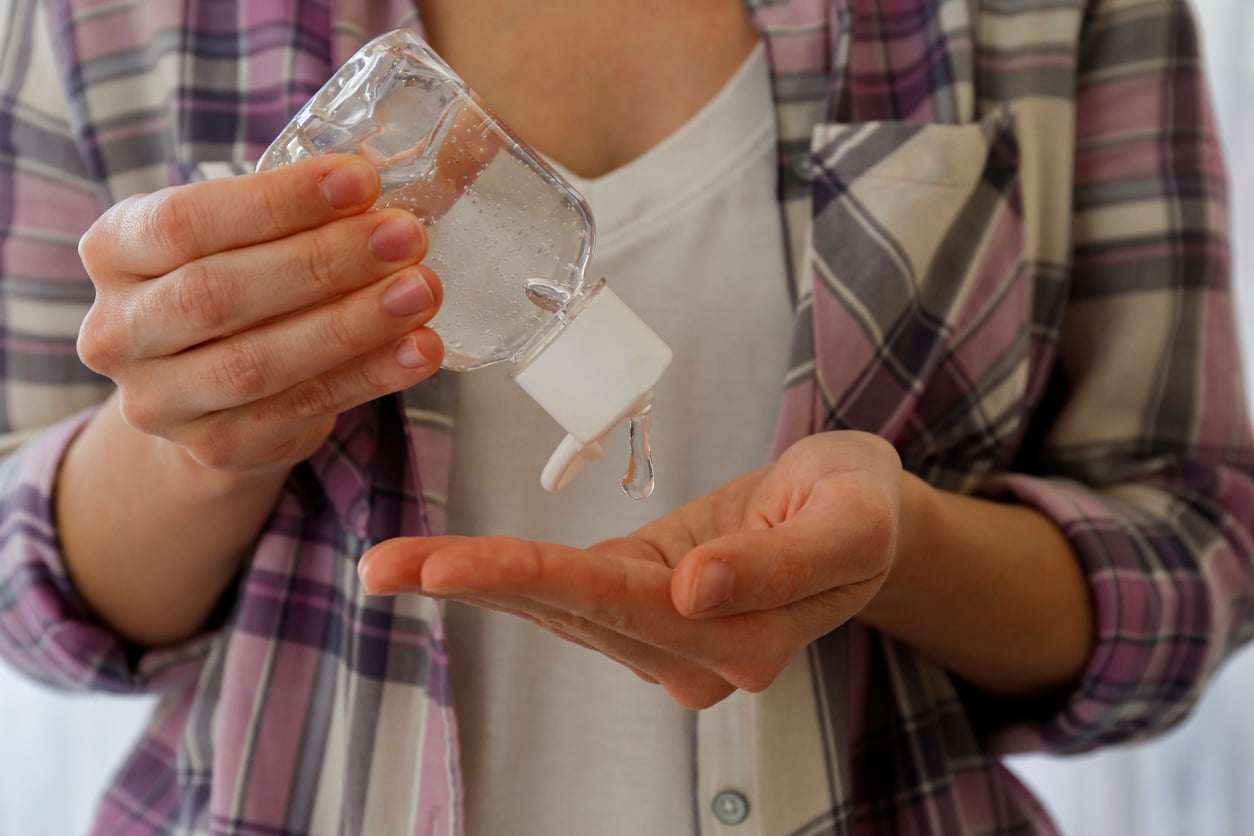
After digging through racks and bins, clean hands are a must. Hand sanitizer is a popular go-to, but sanitizing wipes or alcohol wipes can be even more effective for removing grime, grease, or sticky residue. Since not every item in a thrift store is freshly cleaned, having something on hand to quickly freshen up makes the experience much more comfortable.
Disposable Gloves
If you tend to dig through piles of clothing or browse in less curated sections, disposable gloves are worth bringing along. Nitrile or latex gloves make it easier to handle dusty or questionable items and give you peace of mind when checking pockets, bags, or hidden compartments. They’re lightweight, inexpensive, and especially useful for more hands-on thrifting.
A UV or Blacklight Flashlight
For those who enjoy hunting for unique or vintage pieces, a UV flashlight can be a surprisingly valuable tool. It can help identify certain collectible items, like uranium glass, which glows under blacklight. It’s also useful for detecting stains or imperfections on clothing and upholstery that aren’t visible under regular lighting. While it’s a more specialized item, it can give you an edge when searching for hidden gems.
Trending on Cheapism

A Basic Light Bulb
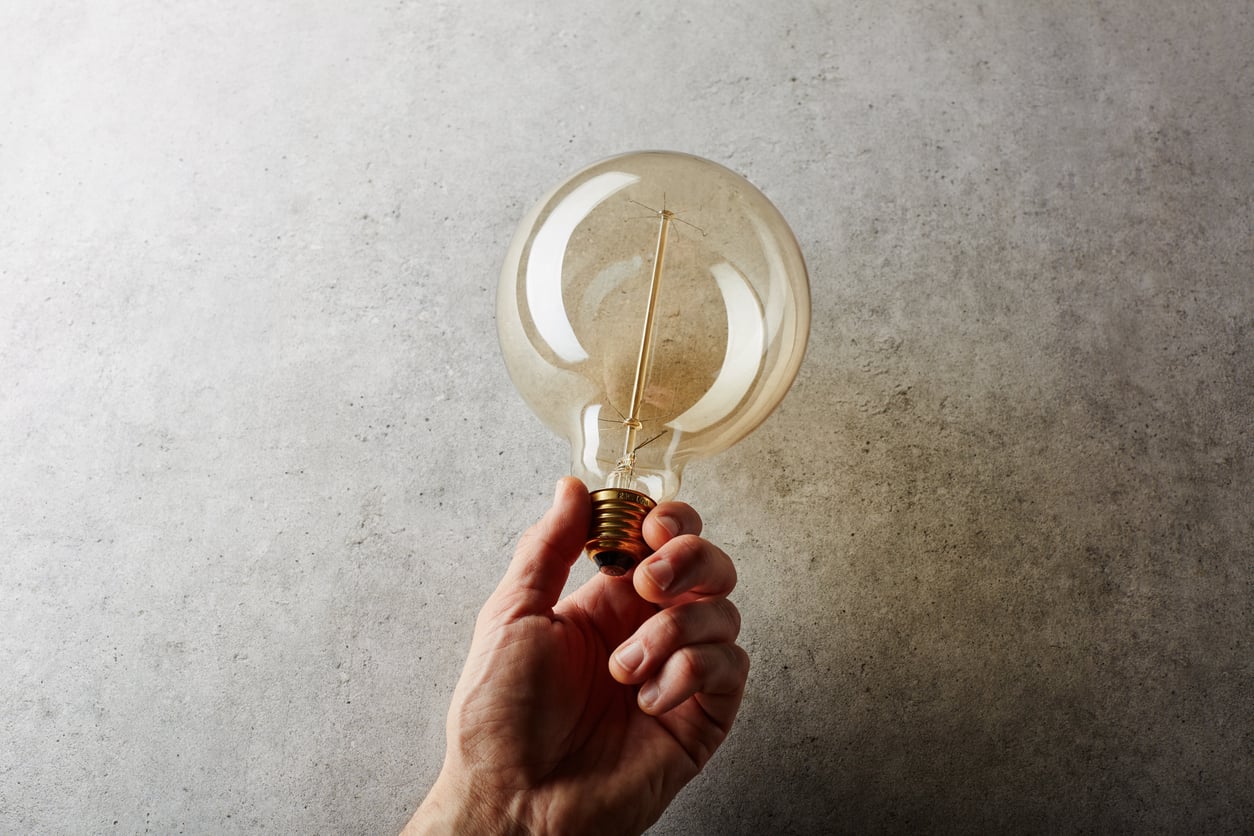
If you ever shop for lamps or lighting fixtures, bringing a light bulb is a smart move. Not all stores have bulbs available for testing, so having your own allows you to check whether a piece actually works before you buy it. It’s a simple addition that can save you from bringing home a nonfunctional item.
A Magnet
A small magnet can help you quickly assess metal items, especially in the jewelry or housewares section. While it’s not a foolproof test, it can help distinguish between different types of metals and flag items that may be worth a closer look. For something so small and inexpensive, it’s one of the smartest things to bring to a thrift store.
A Small Flashlight
Not every thrift store is well lit, and even in brighter spaces, it can be hard to inspect certain items closely. A small flashlight helps you check inside drawers, behind furniture, or along seams and corners for damage. It’s also useful for spotting stains or wear that might otherwise go unnoticed in dim lighting.
Sign up for our newsletter
Charging Cables or a Power Bank
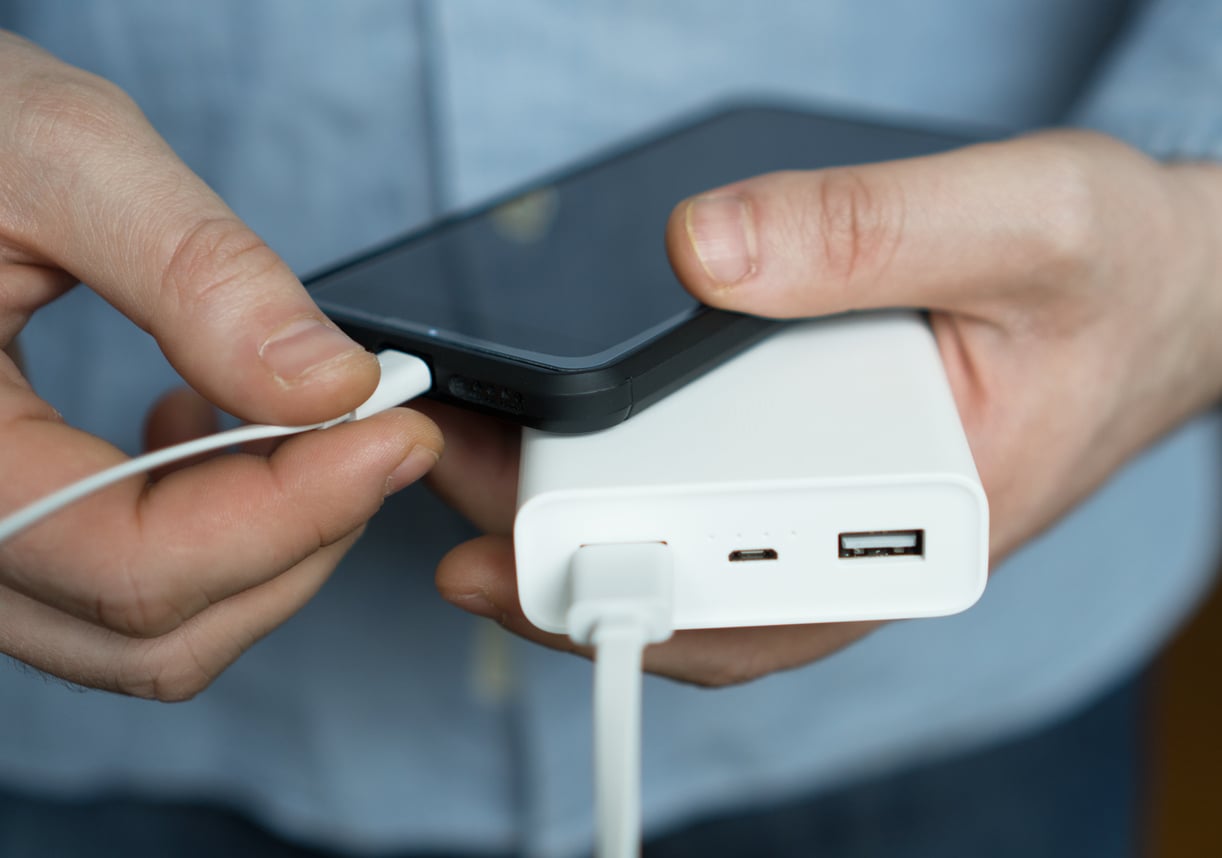
With so many modern devices relying on USB charging, having a cable or small power bank can be incredibly helpful. You can test electronics on the spot or make sure your own phone stays charged while you browse, look up items, or check measurements. It’s especially useful during longer thrift trips or when visiting multiple stores in one day.
A Notes App With Sizes and Wish-list Items
One of the most effective tools doesn’t take up any physical space at all. Keeping a running list in your phone of clothing sizes, measurements, and items you’re searching for can help you shop more intentionally. Some people also store room dimensions, furniture needs, or even family members’ sizes to make shopping for others easier. Having this information readily available helps you stay focused and avoid buying things that don’t quite fit your needs.
A Magnifying Glass (or Your Phone Camera)
A magnifying glass can help you spot small details that are easy to miss, like jewelry markings, brand labels, or minor damage. If you don’t want to carry an extra tool, your phone camera can work just as well by zooming in on fine print or tiny imperfections.
More From Cheapism

- 19 Thrift Store Finds That Are More Trouble Than They’re Worth — Some secondhand buys may seem like a bargain at first, but hygiene issues, safety risks, and hidden damage can make them far more trouble than they’re worth.
- These Bin Stores Sell Deeply Discounted Name-Brand Items — Here’s How — These increasingly popular bin stores sell overstock, returns, and liquidation goods for cheap, giving shoppers a shot at major savings if they’re willing to dig.
- 17 Things to Buy at the Thrift Store to Save Money — Before paying full price, it may be worth checking your local thrift store, where items like cookware, furniture, frames, and glassware can offer serious savings.