If you think grocery shopping is expensive now, imagine walking into a store where a loaf of bread costs 36 cents, a pound of bananas is less than a quarter, and a gallon of gas costs less than the change rattling around in your car’s cup holder. For many baby boomers, those weren’t imaginary bargains. They were ordinary prices during the 1960s and ’70s.
Of course, there’s a catch. Americans also earned considerably less back then, and the 1970s brought some of the worst inflation the country had seen in decades. Not everything that looks ridiculously cheap on an old receipt was necessarily a bargain when adjusted for inflation.
Still, there’s something fascinating about remembering a time when everyday purchases could be measured in nickels, dimes, and quarters. From movie tickets to groceries, here are 12 expenses boomers remember paying surprisingly little for.
A Gallon of Gas

Pulling into a gas station in 1970 meant paying an average of about 36 cents per gallon, according to the Bureau of Transportation Statistics. Filling a 15-gallon tank could cost less than $5.50, and in many places, an attendant would pump the gas for you, too. Even by 1975, after the decade’s first major oil crisis, gas averaged about 57 cents per gallon. Of course, those prices weren’t quite as incredible once you accounted for inflation and lower wages, but there’s something hard to imagine about filling up an entire car for what barely buys a gallon today.
Mailing a Letter
In 1970, sending a first-class letter anywhere in the country cost just 6 cents. That’s right: You could mail 10 letters for 60 cents and still have change from a dollar. Postage gradually increased throughout the decade, reaching 8 cents in 1971, 10 cents in 1974, and 15 cents by 1978. But for boomers who grew up mailing birthday cards, paying bills by check, and keeping in touch with relatives through handwritten letters, a few pennies for postage was simply part of everyday life. By July 2026, a first-class stamp cost 82 cents.
Sending a Postcard
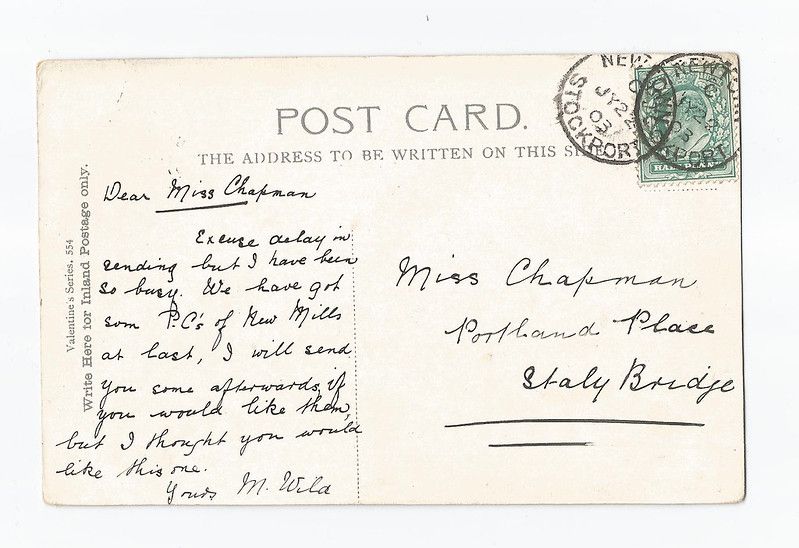
Remember when sending someone a postcard from vacation was practically mandatory? In 1970, postage for a postcard cost just 5 cents, making it easy to send a little hello from the beach, a national park, or a roadside attraction without thinking twice about the expense. Even by 1978, postcard postage had only climbed to 10 cents. Families could pick up a handful of colorful postcards, scribble a few sentences on each, and mail them to grandparents, friends, and neighbors. By July 2026, postcard postage alone cost 65 cents, which makes those nickel-priced vacation greetings seem like quite a bargain.
Riding the Subway
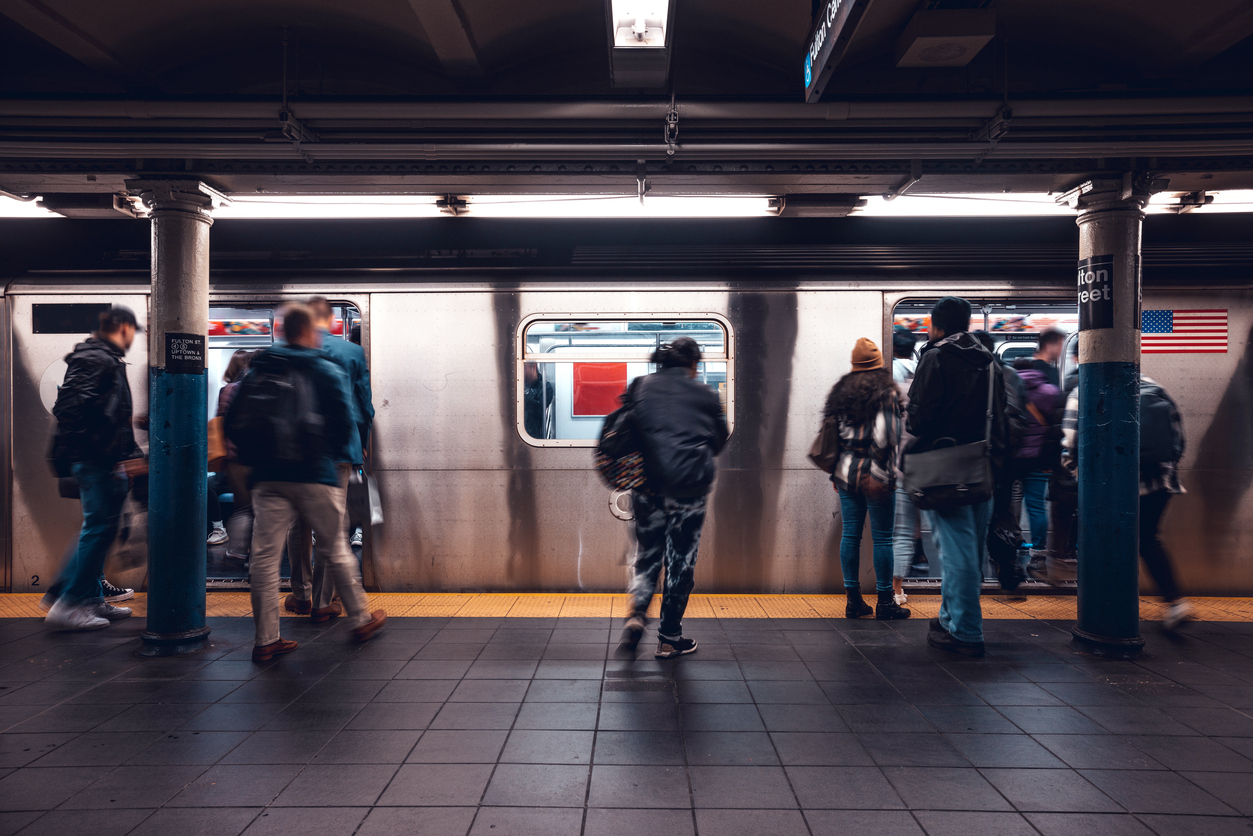
For New Yorkers in 1970, a subway ride cost just 30 cents. The fare climbed to 35 cents in 1972 and 50 cents in 1975, but even those increases sound almost laughably small today. Commuters carried subway tokens in their pockets, dropped them into turnstiles, and went about their day without worrying about transit cards or phone apps. Of course, a daily commute still added up, especially for workers earning 1970s wages. But the idea of getting across New York City for a few coins is enough to make modern subway riders nostalgic for an era they might not have even experienced.
Going to the Movies
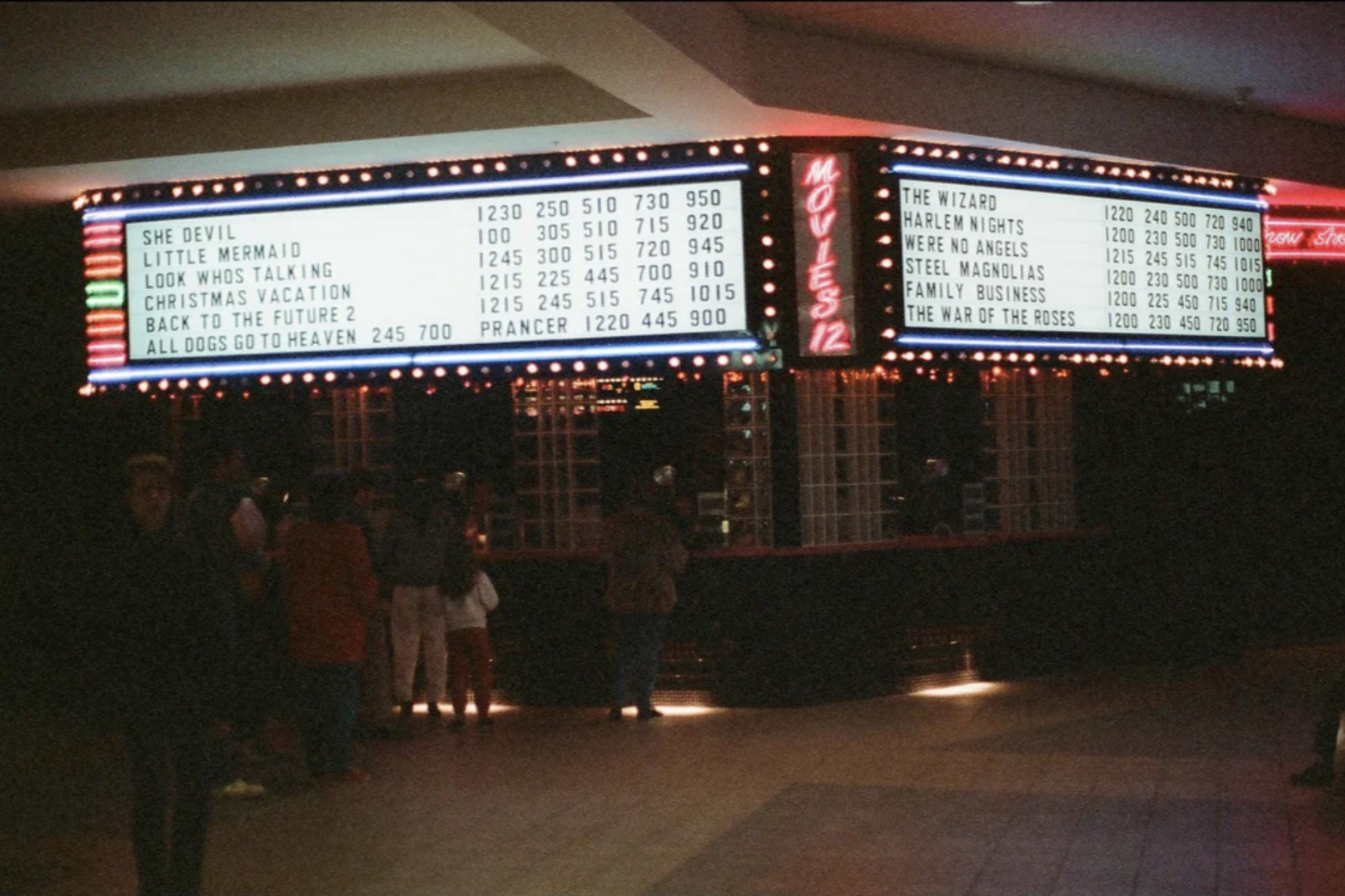
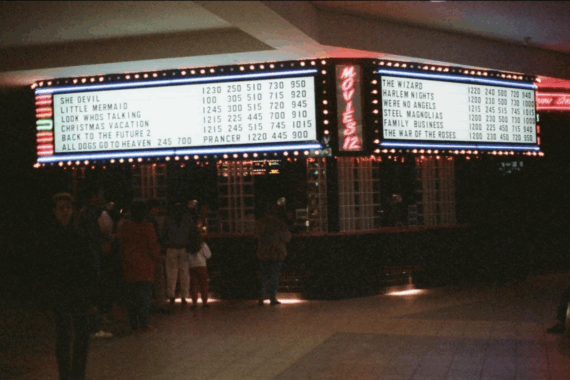
A night at the movies didn’t necessarily require much financial planning in the early 1970s. According to historical movie ticket data from the National Association of Theatre Owners, the average ticket cost $1.65 in 1971 and $2.03 in 1975. That meant a couple could catch a movie for around $4 before buying popcorn or soda. The catch? Adjusted for inflation, those tickets weren’t necessarily dramatically cheaper than modern admission prices. Still, boomers who remember lining up to see “Jaws,” “The Godfather,” or “Star Wars” might have a hard time getting over the fact that admission once cost less than a few dollars.
Trending on Cheapism

A Fast-Food Hamburger
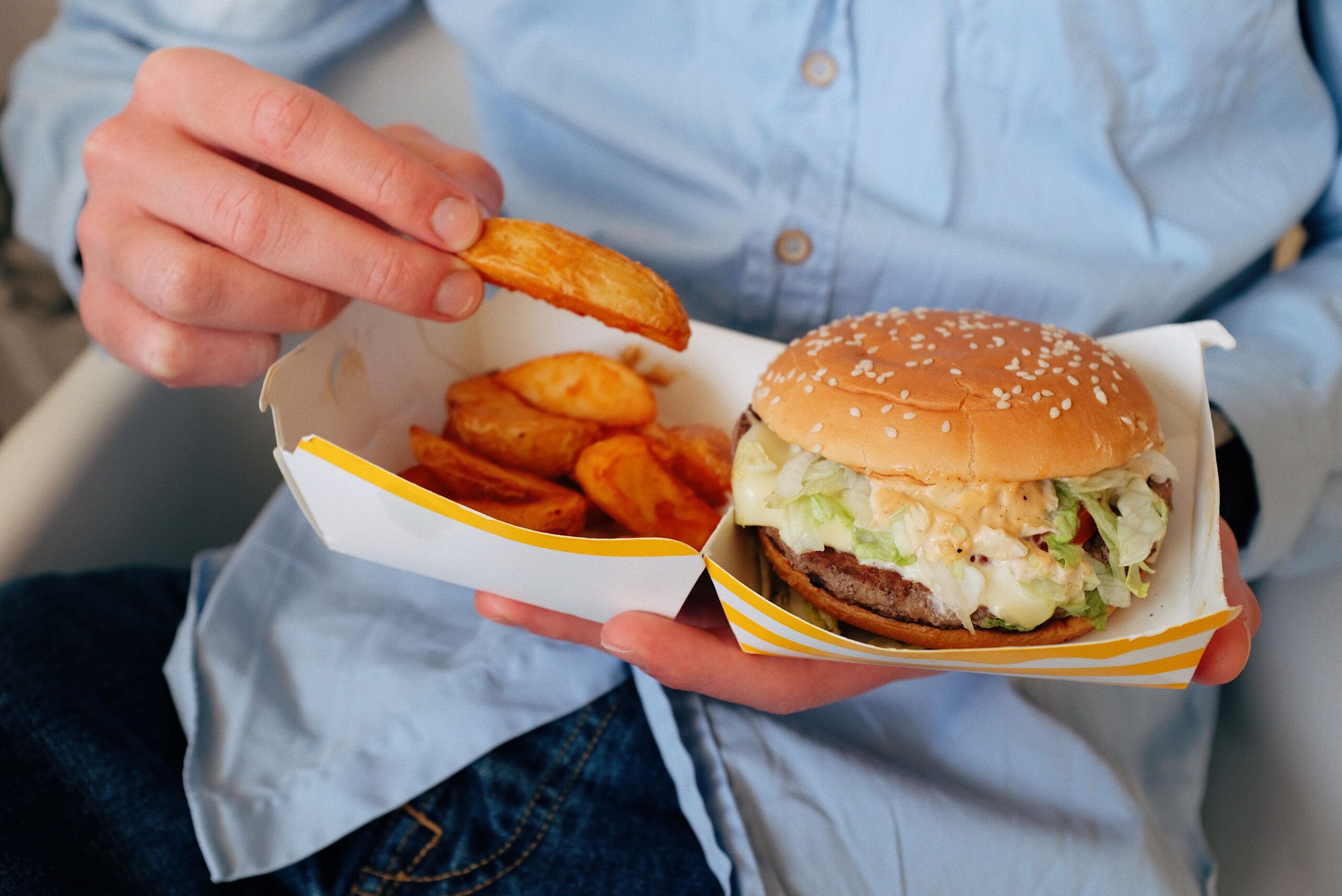
Long before fast-food combo meals started approaching restaurant prices, McDonald’s built its reputation around cheap, simple food. The chain’s early streamlined menu famously featured 15-cent hamburgers, according to its corporate history. That particular price dates back to the company’s earlier expansion years, rather than being a standard 1970s price, but plenty of older boomers remember when a hamburger was a genuinely inexpensive treat. A quick stop for burgers, fries, and milkshakes didn’t automatically turn into a major expense, and affordability was a big part of what made fast food so appealing to American families in the first place.
A Loaf of White Bread
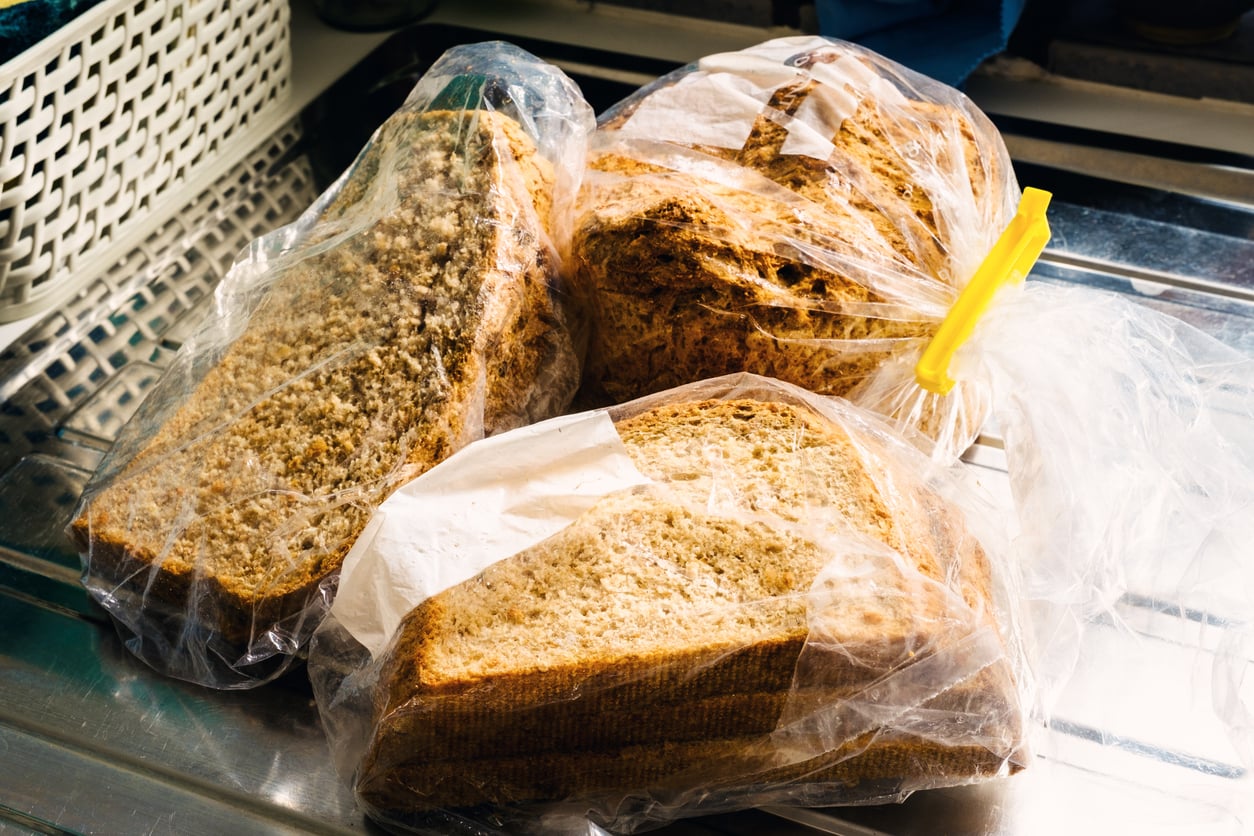
In 1975, a pound of white bread cost an average of about 36 cents, according to the Bureau of Labor Statistics. For families packing school lunches every morning, that meant sandwiches were one of the easiest ways to feed several kids without spending much. Bread was also a staple at breakfast and dinner, whether it was toasted, slathered with butter, or served alongside a casserole. Prices were already rising quickly during the decade, but a loaf of bread still came with a price tag that modern grocery shoppers would probably have to look at twice.
Milk
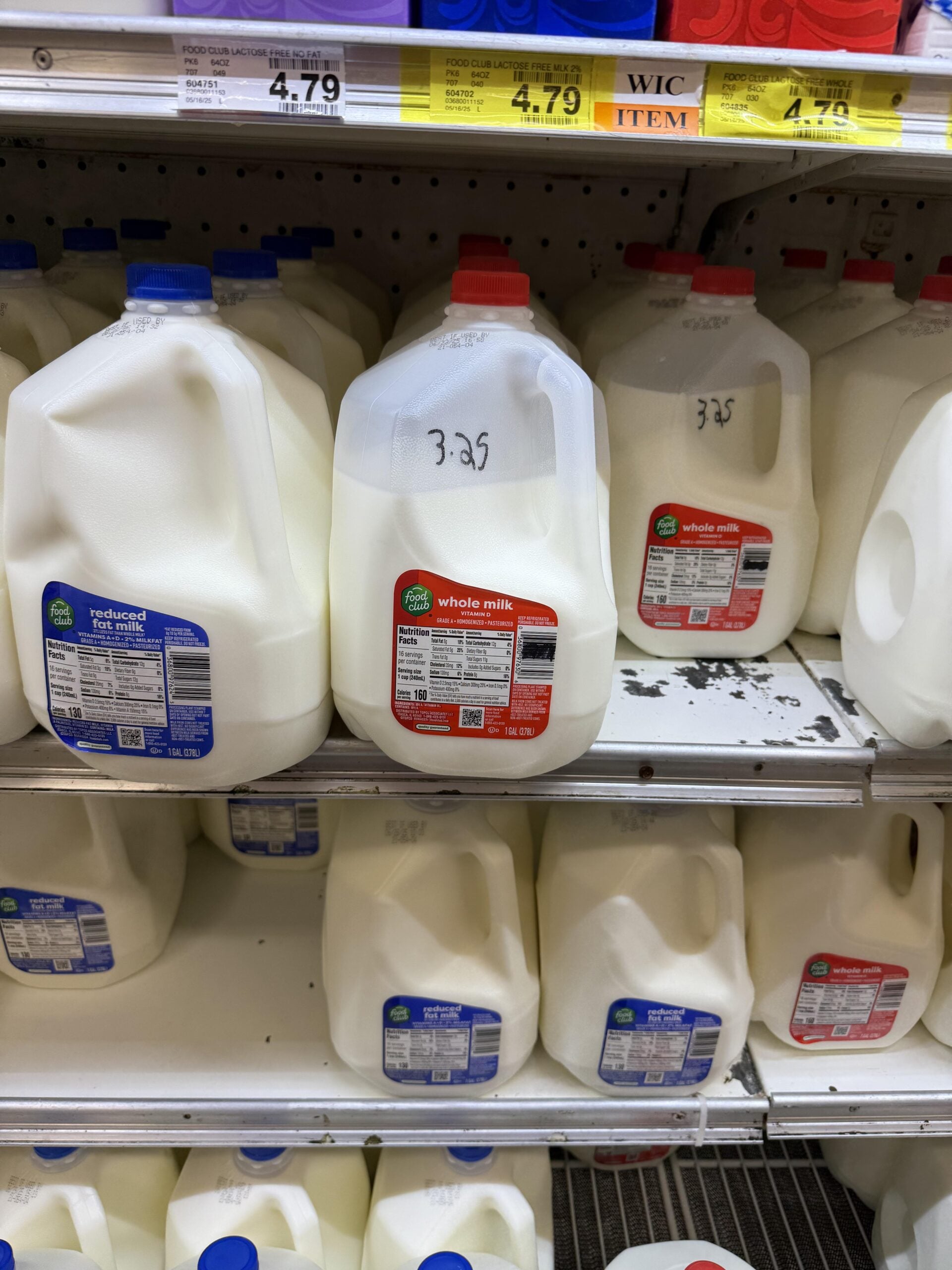
If you grew up in a household where milk disappeared almost as quickly as it arrived, you probably remember how often someone had to run to the store for more. In 1975, a half-gallon of milk averaged just 78.5 cents, according to the Bureau of Labor Statistics. That’s roughly $1.57 for a gallon at the same unit price, a number that sounds almost unbelievable today. Of course, milk wasn’t necessarily a negligible expense for families feeding several children, especially as food prices climbed throughout the decade. But for boomers who remember glass milk bottles, cereal every morning, and a refrigerator that never seemed to have enough milk, those old prices are hard to forget.
Sign up for our newsletter
Bananas
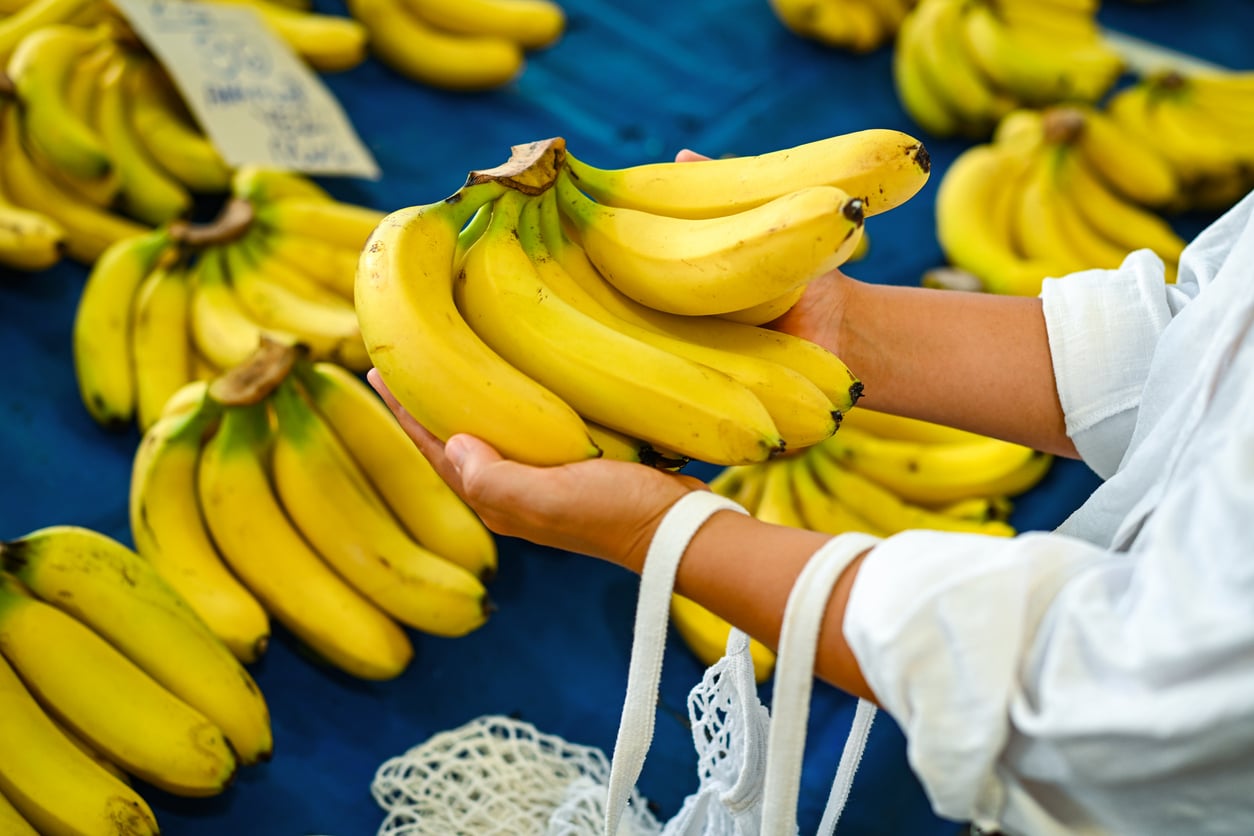
Bananas have always had a reputation for being one of the more affordable fruits, but their 1970s prices were something else. In 1975, a pound of bananas averaged just 23.2 cents, according to the Bureau of Labor Statistics. That made them an easy addition to grocery carts, whether they were destined for school lunches, breakfast cereal, or a homemade banana pudding. Unlike plenty of other foods that have become noticeably more expensive, bananas have managed to hold on to much of their budget-friendly reputation. Still, seeing an old grocery receipt with bananas priced at less than a quarter per pound is enough to make anyone do a double take.
Potatoes
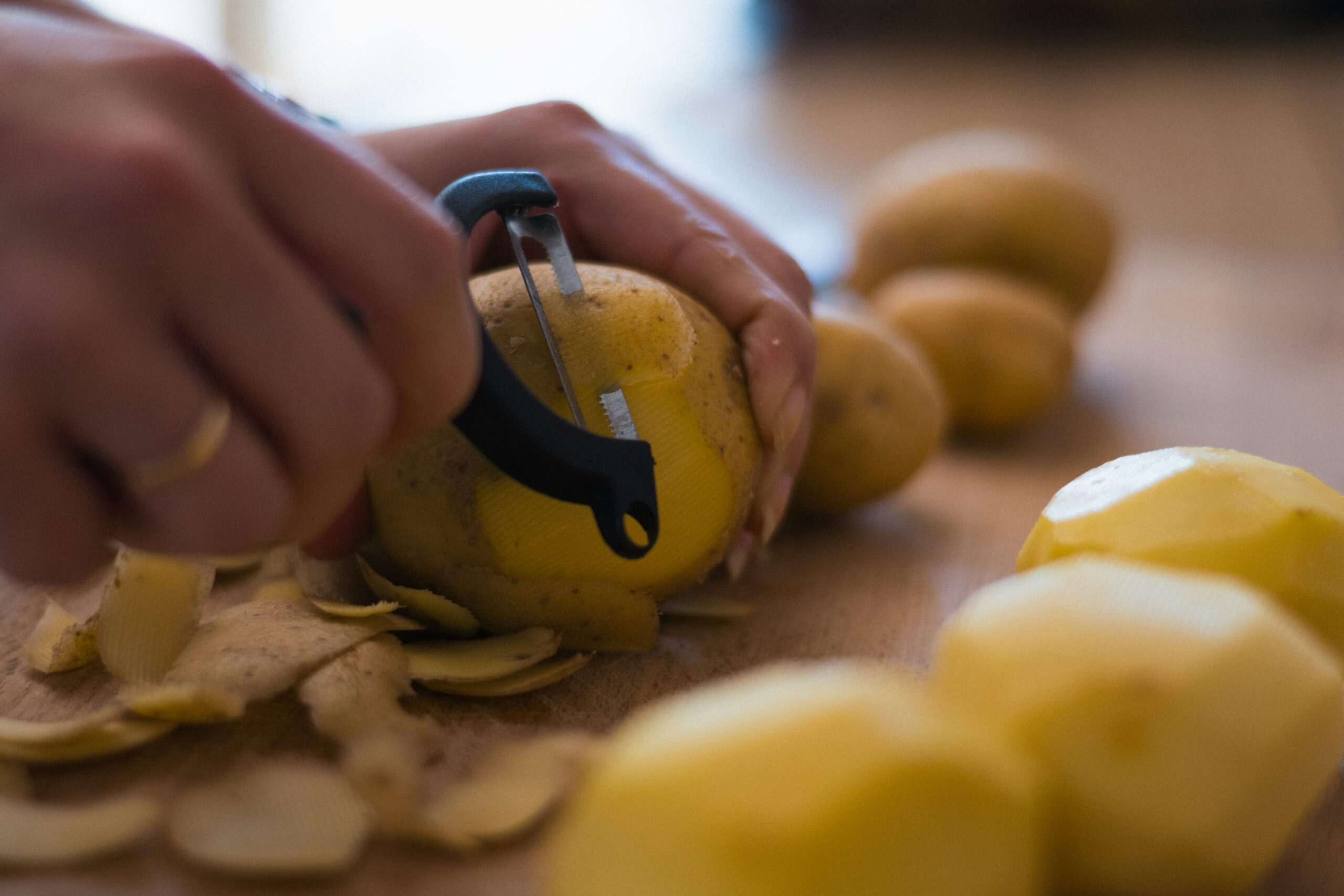
A big bag of potatoes was practically a requirement in many American kitchens during the 1970s, and it’s not hard to understand why. According to the Bureau of Labor Statistics, potatoes averaged just 13.4 cents per pound in 1975. They were inexpensive, filling, and versatile enough to appear on the dinner table several nights a week. Mashed potatoes, baked potatoes, french fries, and casseroles all helped stretch the family food budget, especially when meat was expensive. For boomers who grew up eating potatoes with seemingly every meal, it’s easy to forget just how little those humble spuds once cost.
Butter
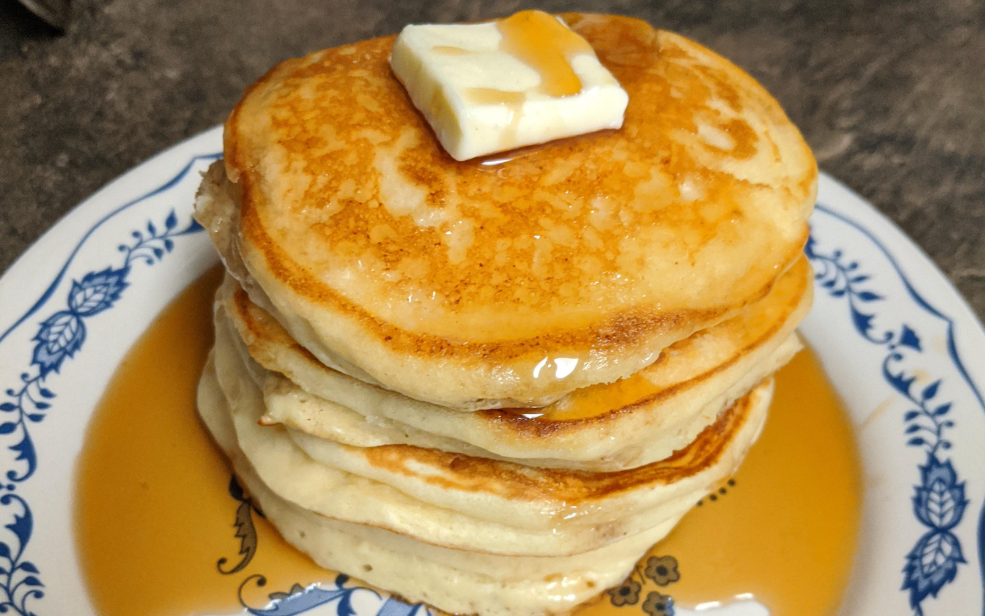
Butter might feel like a grocery splurge today, especially when you’re reaching for a premium brand, but it was a different story in the mid-1970s. In 1975, a pound of butter averaged about $1.03, according to the Bureau of Labor Statistics. It was a kitchen staple for everything from morning toast to mashed potatoes and homemade cookies, although plenty of budget-conscious families relied on margarine instead. The price wasn’t insignificant for households watching every dollar, but it certainly looks appealing compared with modern supermarket shelves. Anyone who remembers their mother keeping a butter dish on the kitchen table might also remember when replacing it didn’t feel like such an expensive proposition.
Public College Tuition

Here’s one expense that might make younger generations especially jealous. During the 1976-77 academic year, average in-state tuition and required fees at public four-year colleges were about $617, according to the National Center for Education Statistics. By 1979-80, that figure had climbed to roughly $738. Those amounts didn’t include room, board, books, or other living expenses, and a few hundred dollars still represented a meaningful sum for many families. But compared with the thousands of dollars students routinely face today, it’s easy to understand why some boomers remember being able to cover a substantial portion of their college costs with summer jobs and part-time work.
Those Old Prices Tell Only Half the Story

Looking back at 6-cent stamps, 30-cent subway rides, and 36-cent bread can make the 1970s seem like a golden age of affordability. But Americans were also earning much less, and inflation was already putting serious pressure on household budgets. According to the Bureau of Labor Statistics, food prices rose at an annualized rate of 7.1% between 1968 and 1983. Still, there’s something undeniably nostalgic about a time when a handful of change could cover an everyday purchase. Those prices might not have felt like incredible bargains back then, but they certainly make for some memorable stories today.