Getting ready for a new school year in the 1970s didn’t involve scrolling through Amazon, checking a school app, or spending a small fortune on electronics. Instead, parents flipped through newspaper ads, kids picked out metal lunch boxes featuring their favorite TV characters, and perfectly good supplies from the previous year were expected to make another appearance.
Of course, back-to-school shopping was still a big deal. New jeans, fresh notebooks, and a trip to the barber could make the end of summer feel very real. But families generally had fewer gadgets to worry about, and preparing for September involved a lot more paper, hand-me-downs, and making do with what was already in the house.
From circling bargains in the Sunday newspaper to figuring out who your teacher would be, here are 12 ways back-to-school in the 1970s looked different from today.
Back-to-School Shopping Started With the Sunday Newspaper
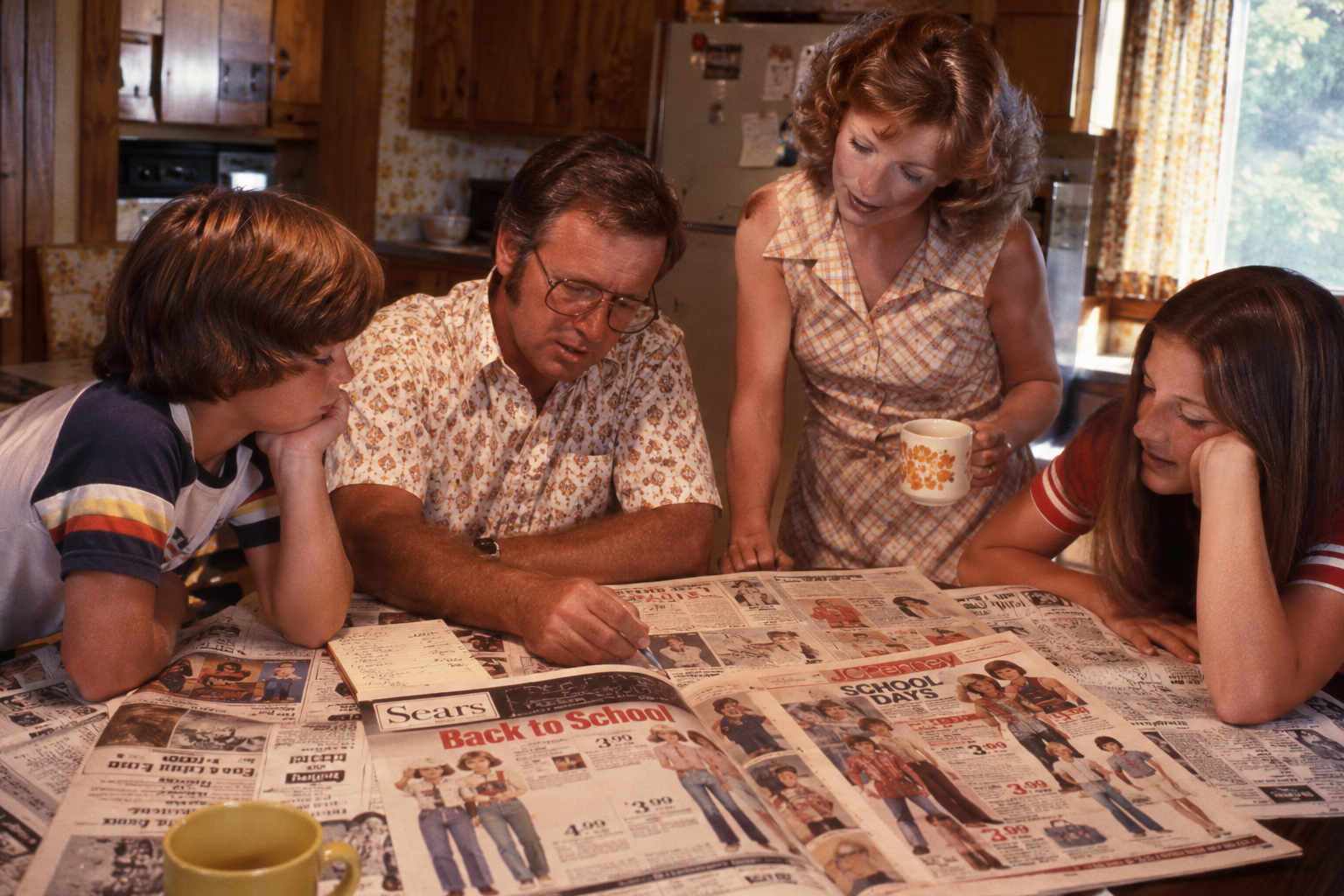
Long before parents could compare prices across a dozen websites, back-to-school shopping often began with the Sunday newspaper spread across the kitchen table. Department stores like Sears, JCPenney, and Montgomery Ward advertised deals on everything from jeans and sneakers to notebooks and pencil cases. Parents could circle the best bargains, make a shopping list, and plan a trip to the mall or local department store. There were no online carts or next-day deliveries, so getting everything on the list usually required a little more legwork.
Kids Expected to Reuse Last Year’s Supplies
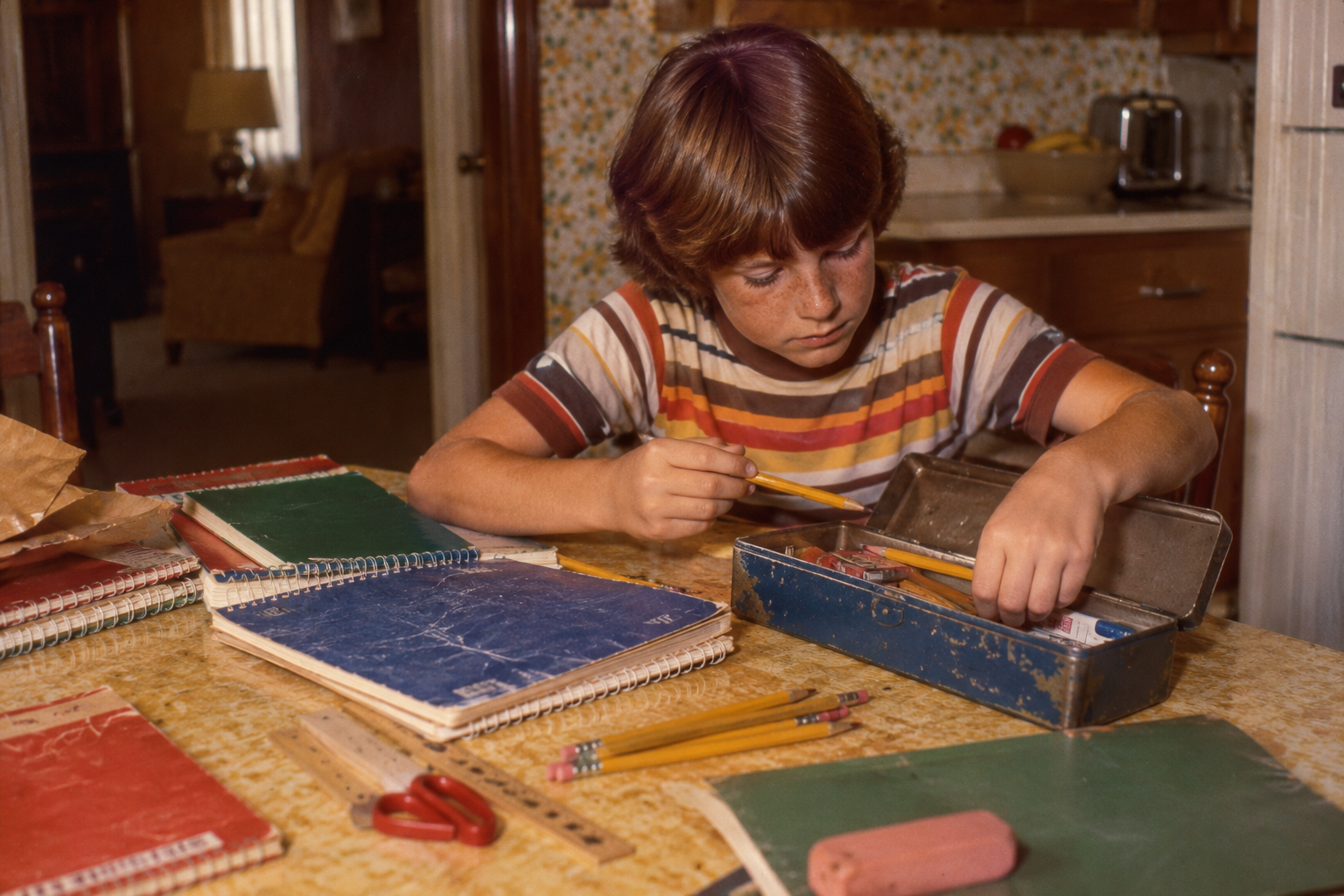
A new school year didn’t automatically mean a completely new set of supplies. If last year’s ruler, scissors, pencil box, or binder was still in decent shape, there was a good chance it would be heading back to school. Parents might have kids sharpen leftover pencils, clean out old cases, and sort through drawers before buying anything new. A fresh notebook or box of crayons was exciting precisely because not everything got replaced just because September rolled around.
School Clothes Were Often Bought With Room to Grow
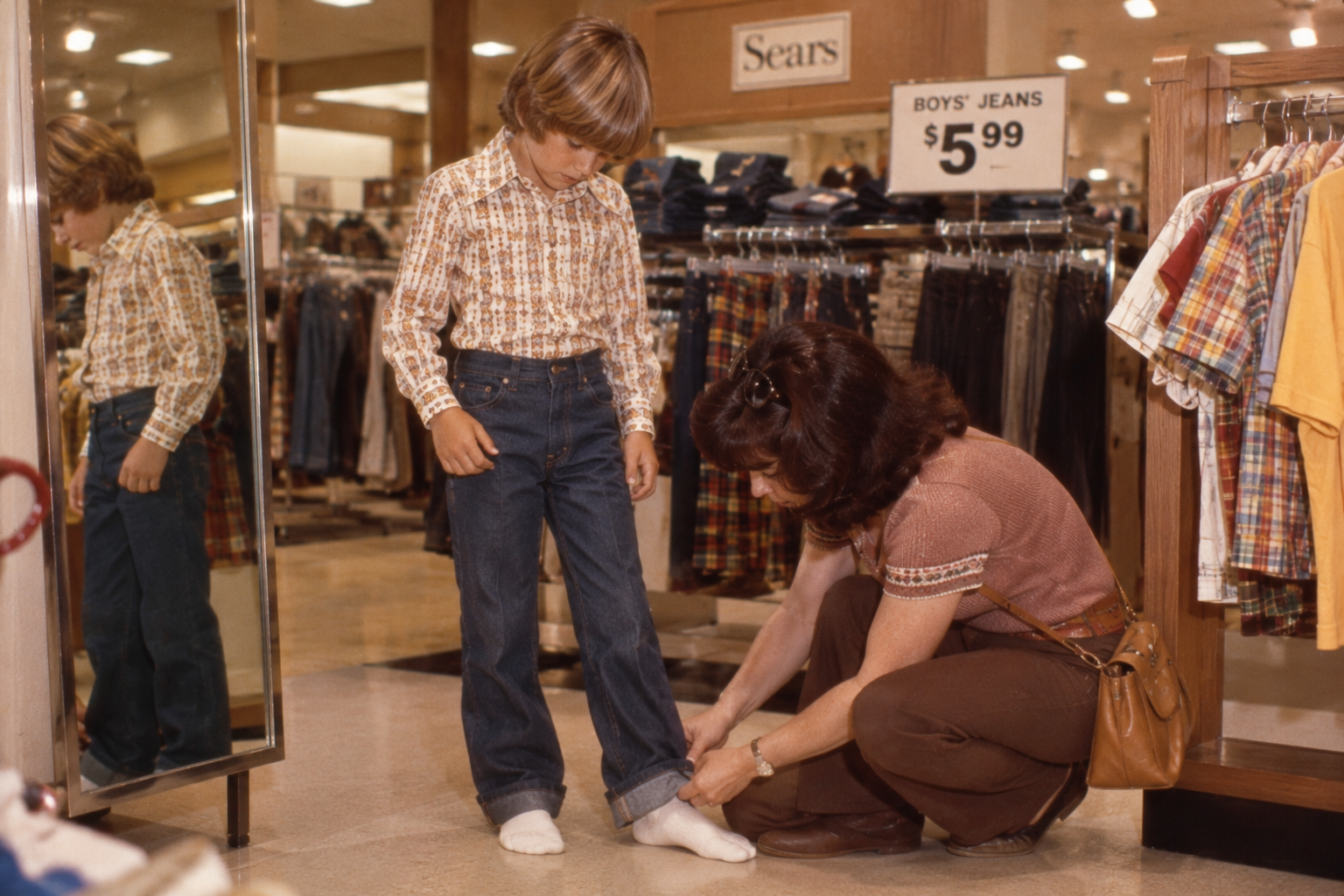
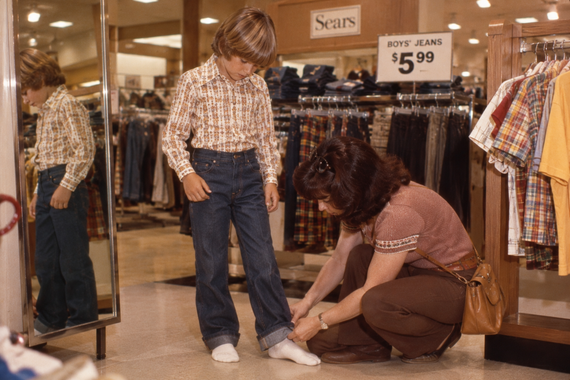
Parents in the 1970s weren’t necessarily looking for clothes that fit perfectly on the first day of school. In fact, a little extra room was often the whole point. Pants might be purchased slightly too long, sleeves could be rolled up, and a belt could keep oversized jeans in place until the next growth spurt. The idea was to make clothes last as long as possible, especially when outfitting several children. Looking a little swallowed up by your brand-new school clothes was simply part of the experience.
Hand-Me-Downs Were Part of Back-to-School Planning
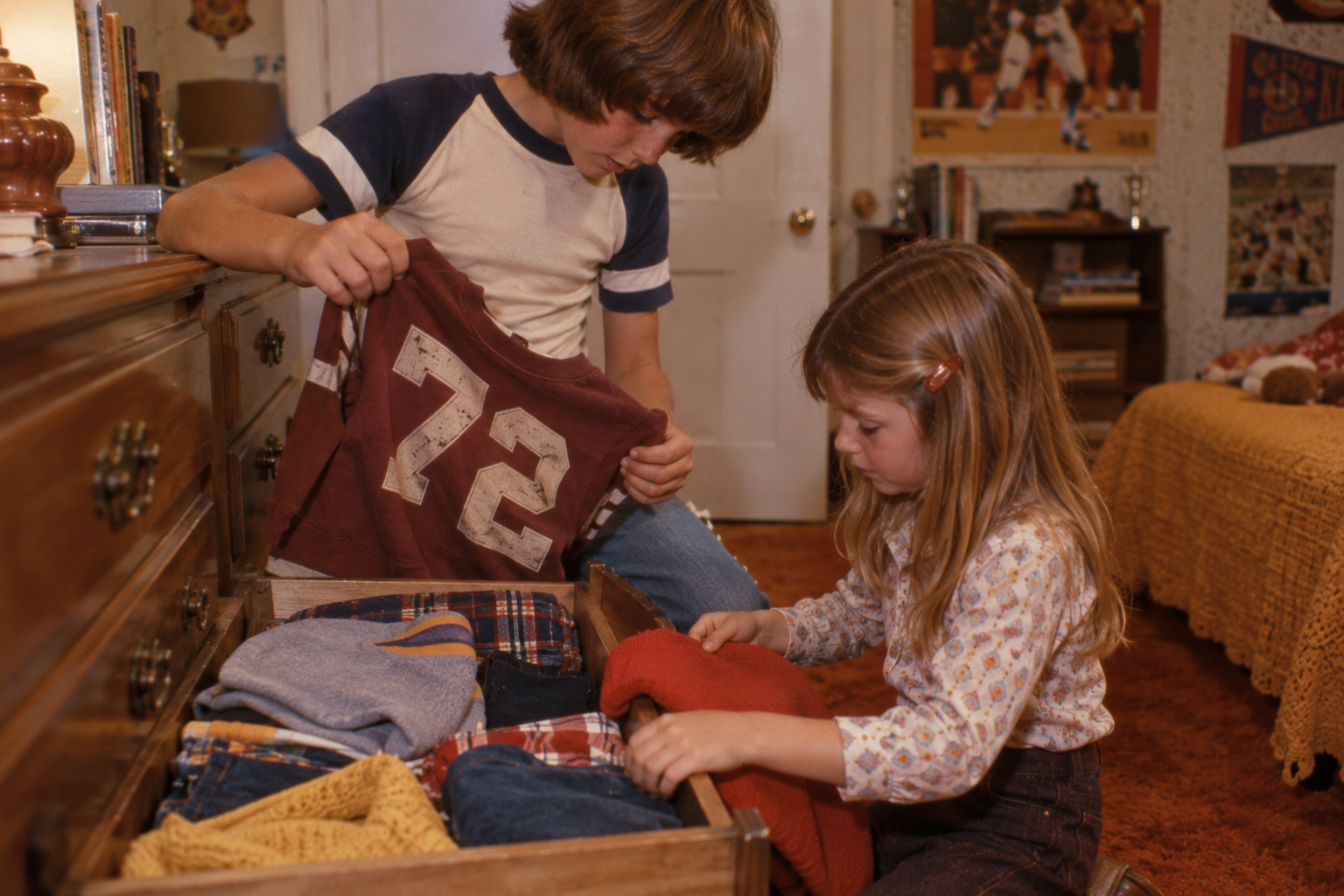
Before anyone headed to the store, there was often a good reason to check the closets. Younger siblings regularly inherited coats, sweaters, shirts, and other clothes that their older brothers or sisters had outgrown. A missing button or broken zipper didn’t necessarily mean something needed to be thrown away, either. Parents might sew, patch, or alter clothing to squeeze another school year out of it. Not every kid was thrilled about wearing something their sibling had already worn for two years, but it certainly helped keep back-to-school costs down.
Picking a Lunch Box Was a Major Decision
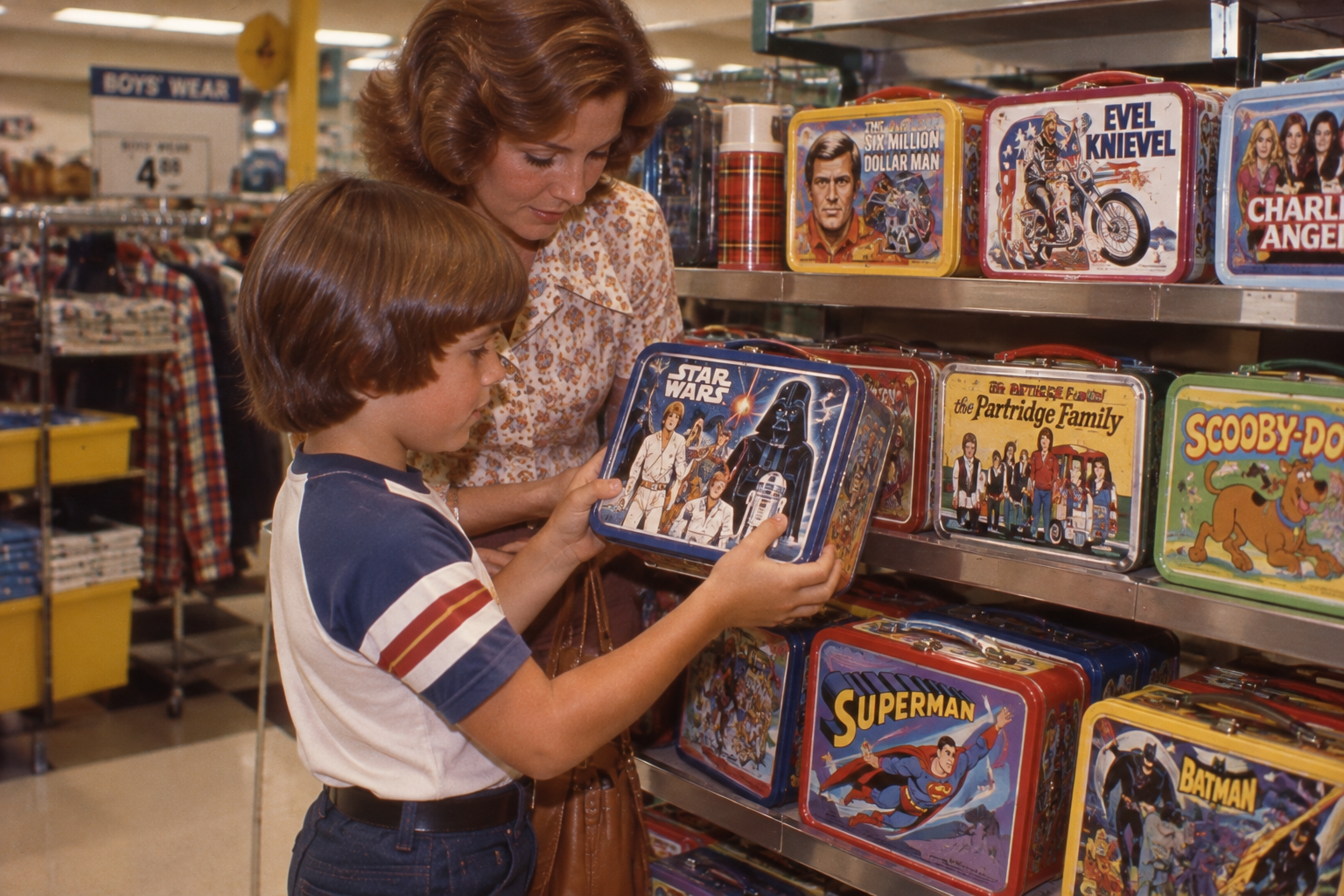
Forget choosing a personalized Stanley cup. For many kids in the 1970s, the most important back-to-school accessory was a metal lunch box. These colorful containers featured everything from Evel Knievel and The Six Million Dollar Man to superheroes and, toward the end of the decade, Star Wars. Many even came with a matching Thermos tucked inside. Your lunch box was practically a statement of your personality, and choosing the right one could feel just as important as picking out new shoes. Of course, the excitement probably faded a little when you opened it to find another peanut butter sandwich.
Trending on Cheapism

Parents Had to Fill Out Everything on Paper
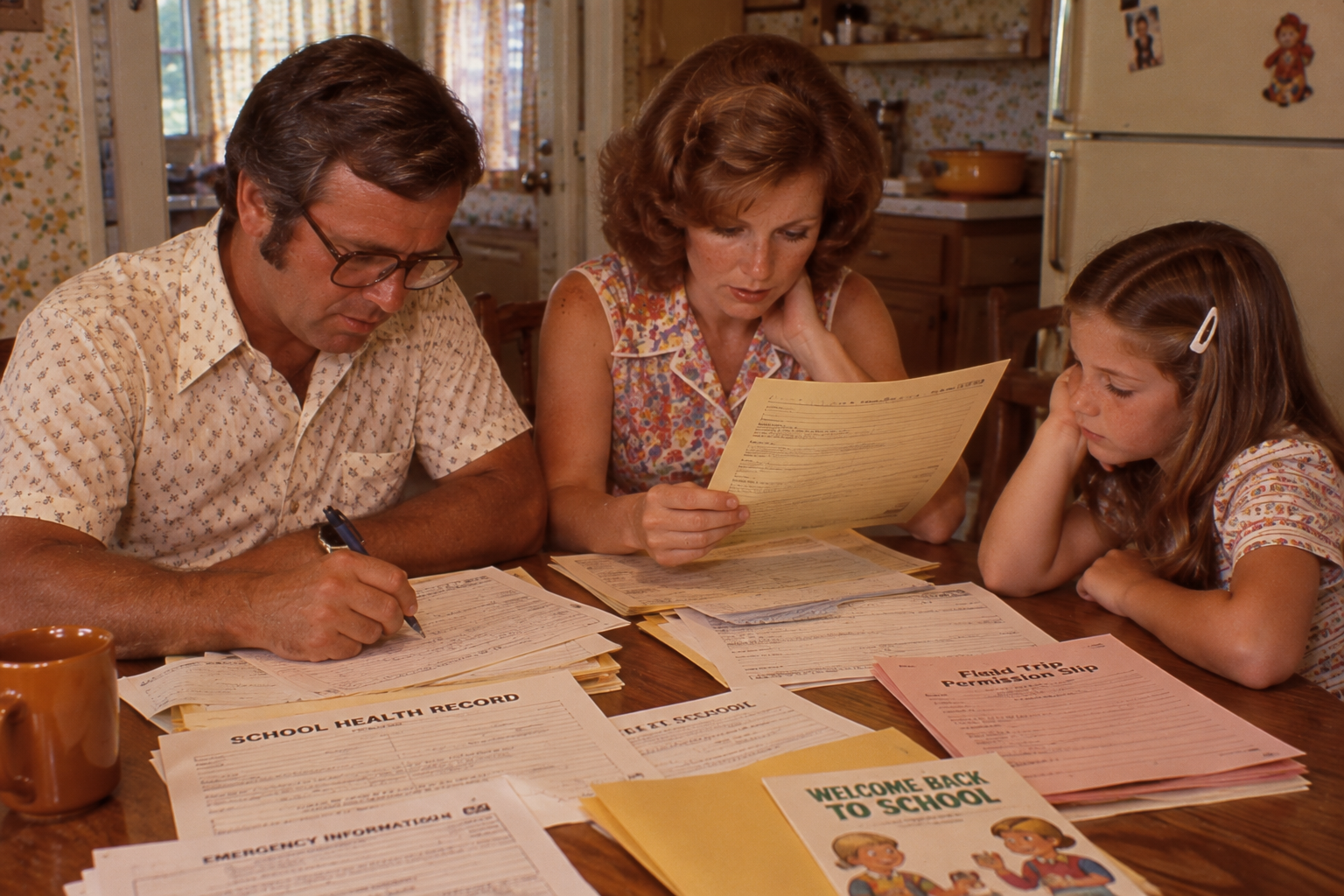
School paperwork was an entirely different operation before online registration and parent portals. Emergency contact forms, health information, permission slips, and enrollment documents all had to be completed by hand. The kitchen table could quickly disappear beneath stacks of forms, and parents had to trust their children to actually deliver everything to the teacher. There was no email reminder or electronic signature to save the day if something got forgotten at home. A missing permission slip could mean an extra trip to school or a frantic phone call.
Finding Out the Teacher Could Be a Genuine Surprise
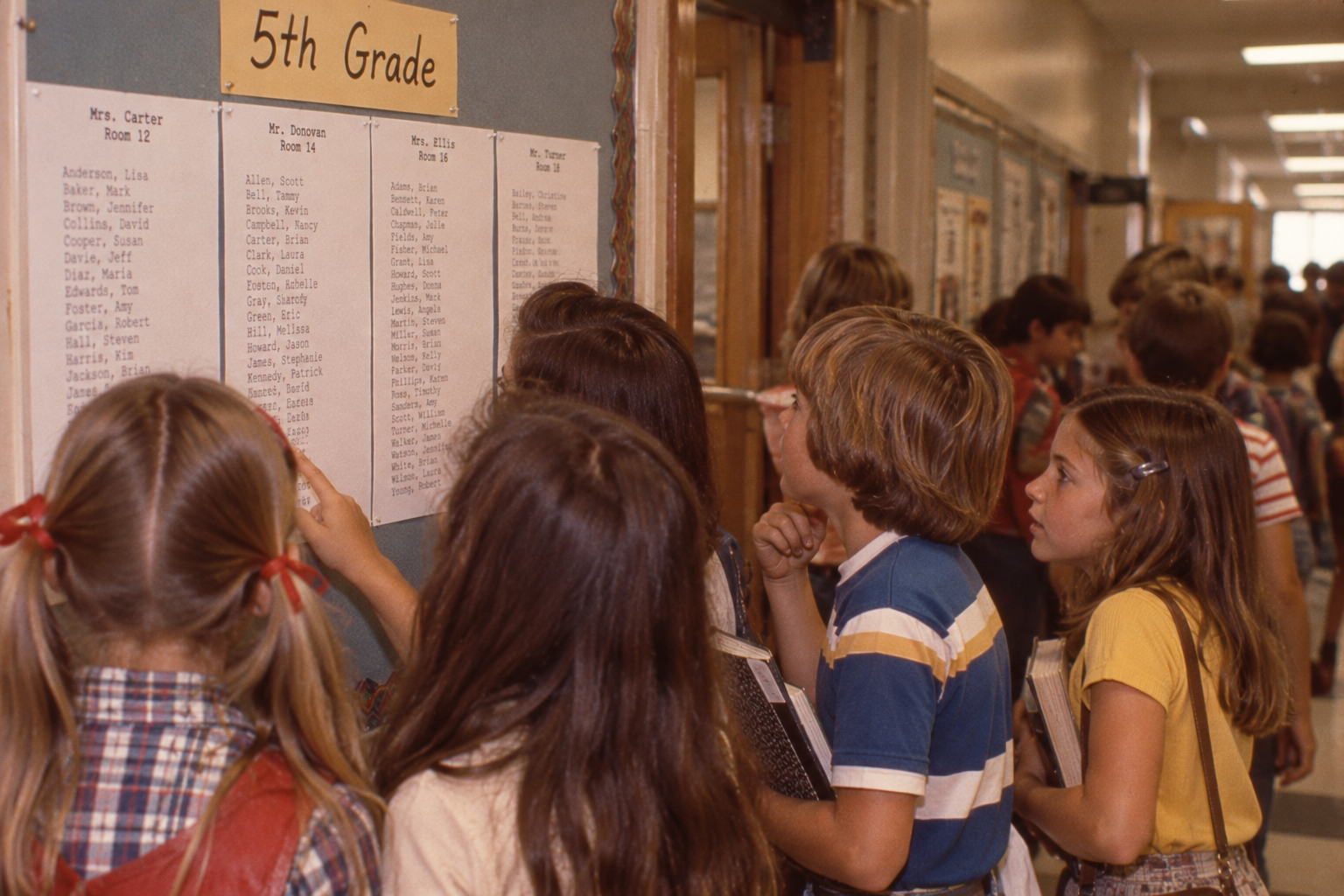
Today, parents can often check school portals for teacher assignments, schedules, and announcements before classes begin. In the 1970s, that information wasn’t always so easy to come by. Depending on the school district, families might receive a letter in the mail, hear something over the phone, check a posted list, or simply wait until the first day. Kids couldn’t refresh an app to see whether their best friend had landed in the same classroom. Sometimes, finding out who your teacher was became part of the excitement — or anxiety — of walking through the school doors.
Kids Practiced Walking or Biking Their School Route
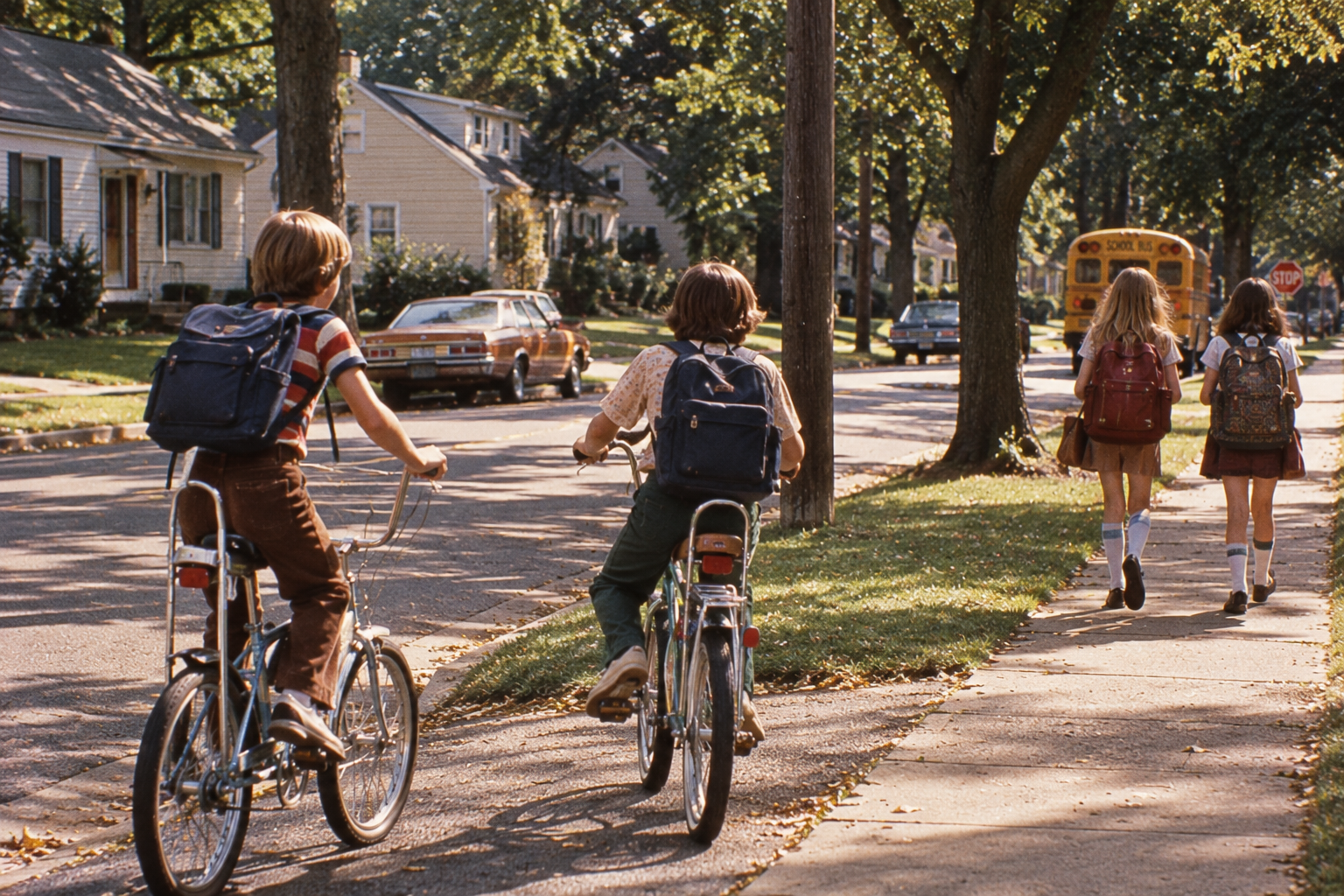
For plenty of children in the 1970s, getting ready for school also meant making sure they knew how to get there. Walking and biking were much more common than they are today, so parents might go over which streets to cross, where the crossing guard stood, or which older sibling to follow. Some kids traveled with neighborhood friends, while others were expected to remember the route themselves. There were no GPS trackers or smartphone location-sharing apps to reassure parents. Learning the way to school was simply another part of growing up.
Sign up for our newsletter
School Supplies Were Remarkably Basic
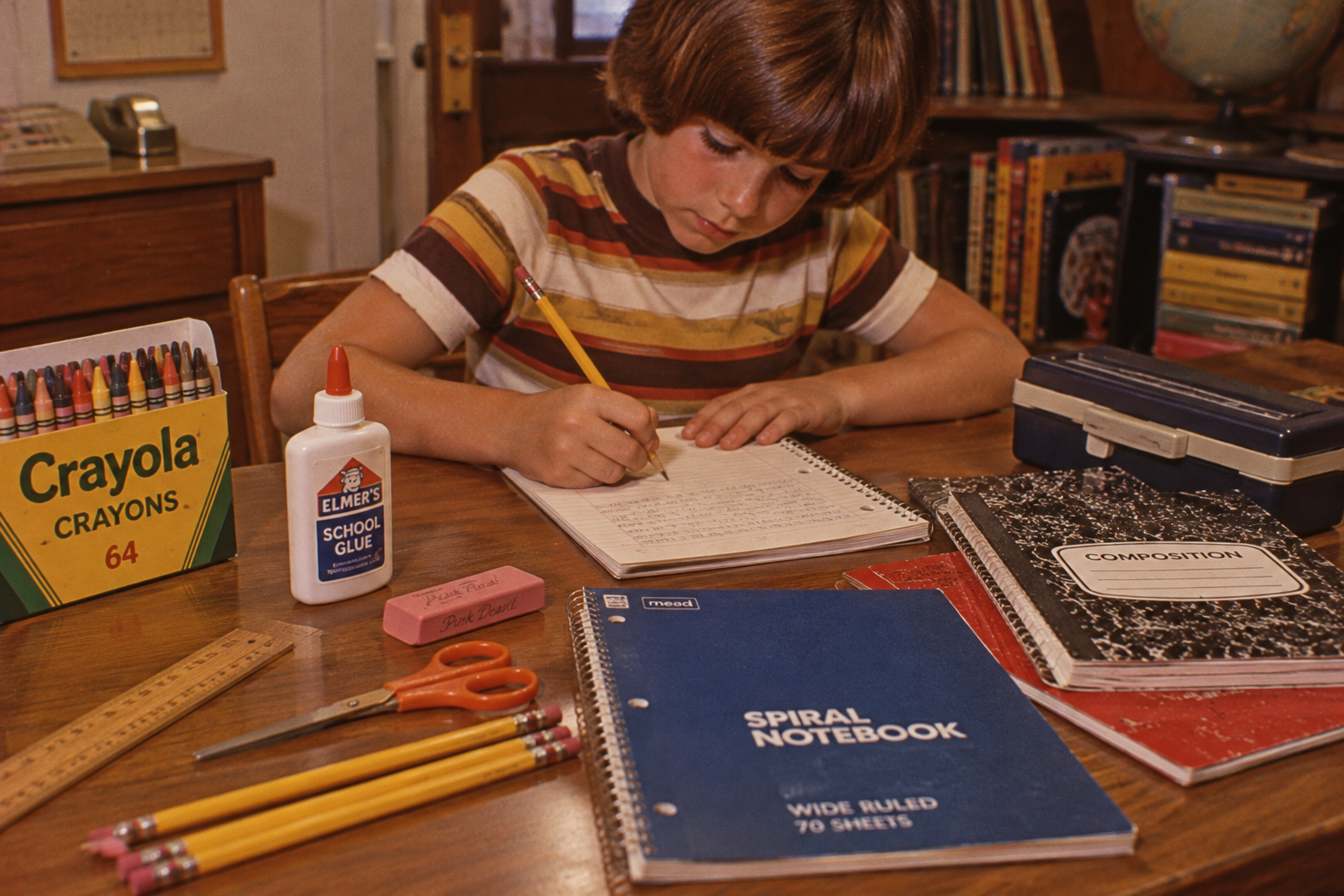
A typical 1970s school supply list could look almost comically simple compared with today’s technology-heavy requirements. No. 2 pencils, loose-leaf paper, notebooks, folders, crayons, glue, and a ruler covered many of the basics. Older students might need a three-ring binder or additional materials for specific classes, but nobody was worrying about laptop chargers, earbuds, or tablet compatibility. And while the supplies were simple, there was still something undeniably exciting about opening a fresh box of crayons or writing your name inside a brand-new notebook.
Getting a Haircut Was Practically Part of the Checklist
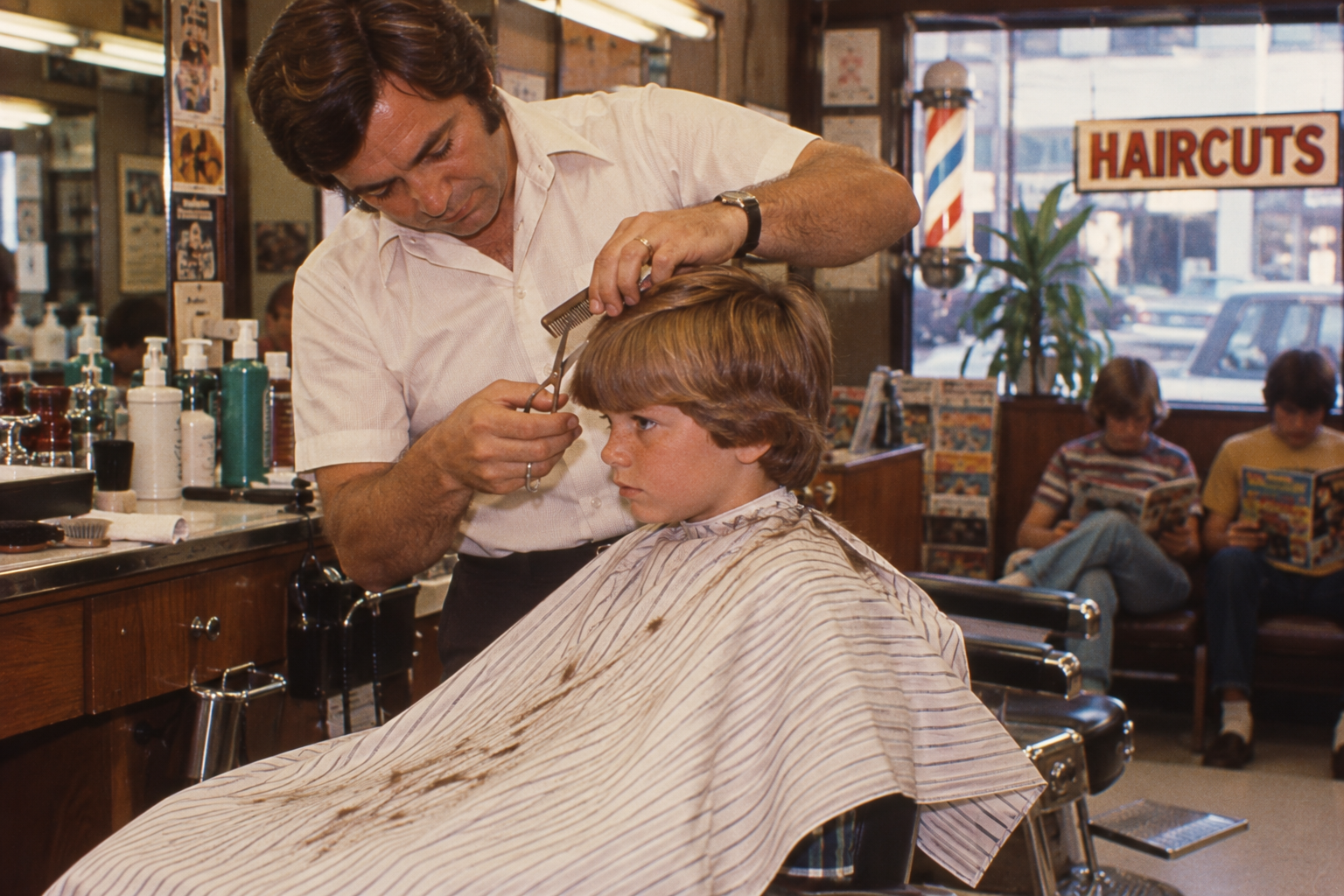
For many families, the last weeks of summer meant squeezing in a visit to the barber or beauty salon before school started. Parents wanted their kids looking presentable for the first day, and some schools still enforced fairly strict grooming rules. Boys’ longer hairstyles became a particular source of controversy during the late 1960s and 1970s, with disputes over school hair-length regulations sometimes ending up in court. Whether a kid wanted a fashionable shag or their parents insisted on something shorter, the back-to-school haircut could become a negotiation all its own.
The Family Alarm Clock Had to Do the Job
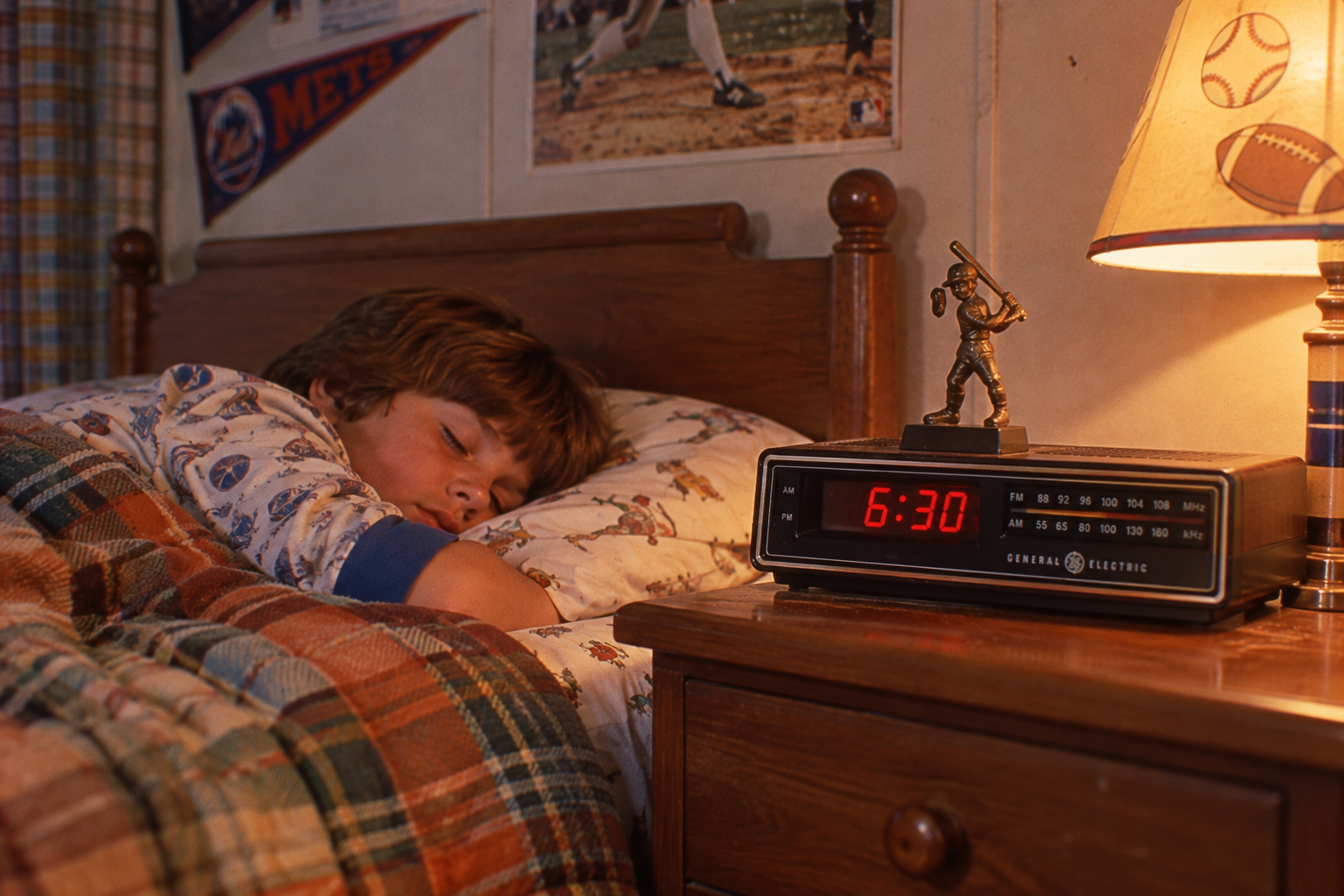
Getting back into a school-year sleep schedule wasn’t any easier in the 1970s, but the technology involved was considerably simpler. Kids relied on mechanical or electric alarm clocks, while younger children often depended on a parent calling them out of bed. There were no smartphone alarms set five minutes apart, smart speakers announcing the weather, or digital reminders about what to pack. If you slept through the alarm, you might find yourself rushing through breakfast while someone yelled that the school bus was coming. Some parts of the morning routine really haven’t changed.
The First-Day Outfit Was Usually Chosen the Night Before
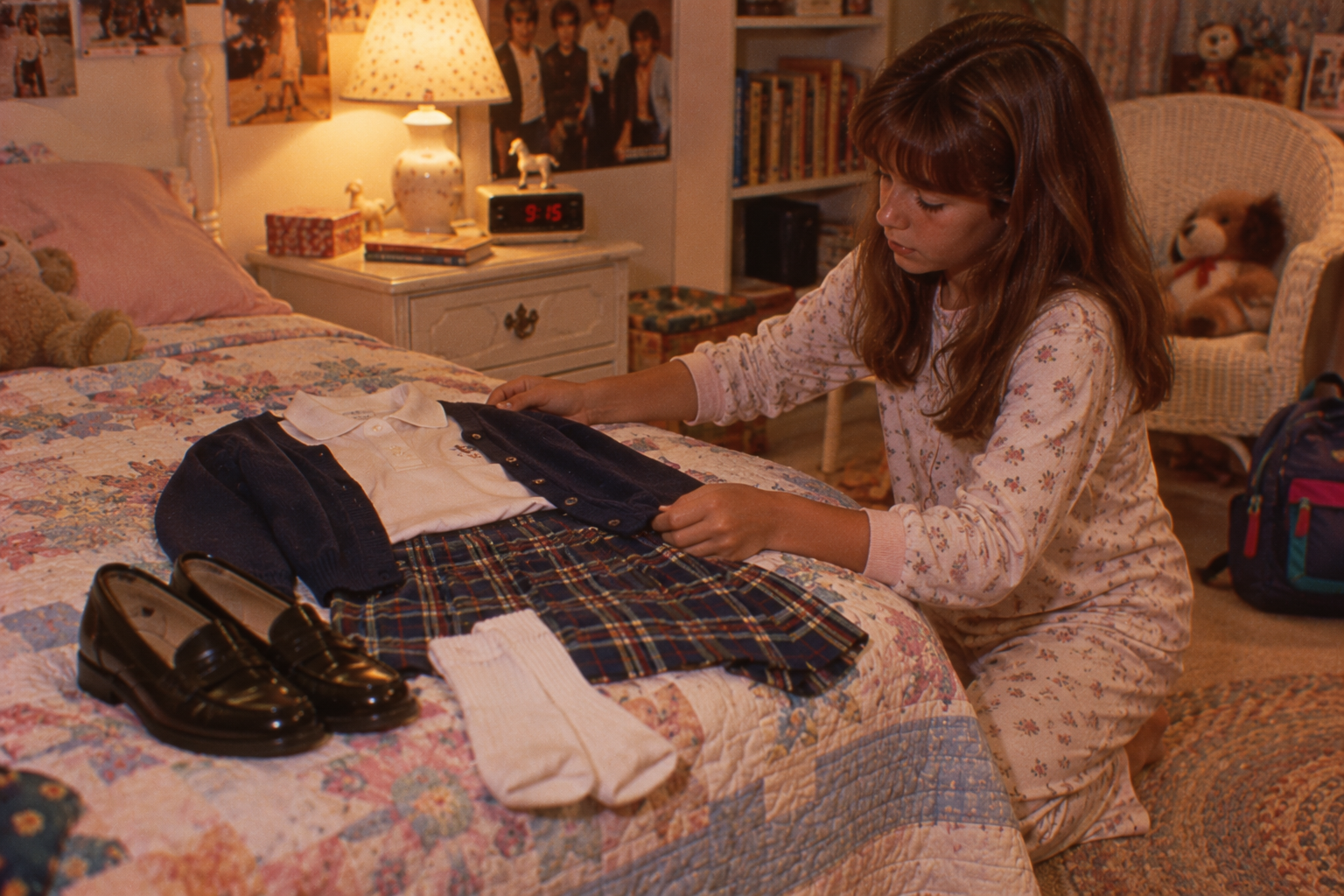
The night before school started, many kids laid out their new jeans, sneakers, dresses, or shirts, making sure everything was ready for the morning. A carefully chosen outfit could help make a good impression, especially if it included something new from a recent shopping trip. But unlike today, there was no social media audience waiting for a perfectly staged first-day photo. The people who mattered were the classmates you’d see in the hallway. And despite all the changes in fashion and technology, the nervous excitement of wondering whether your friends would be in your class felt much the same.
Back-to-School Was Simpler, but the Excitement Was the Same
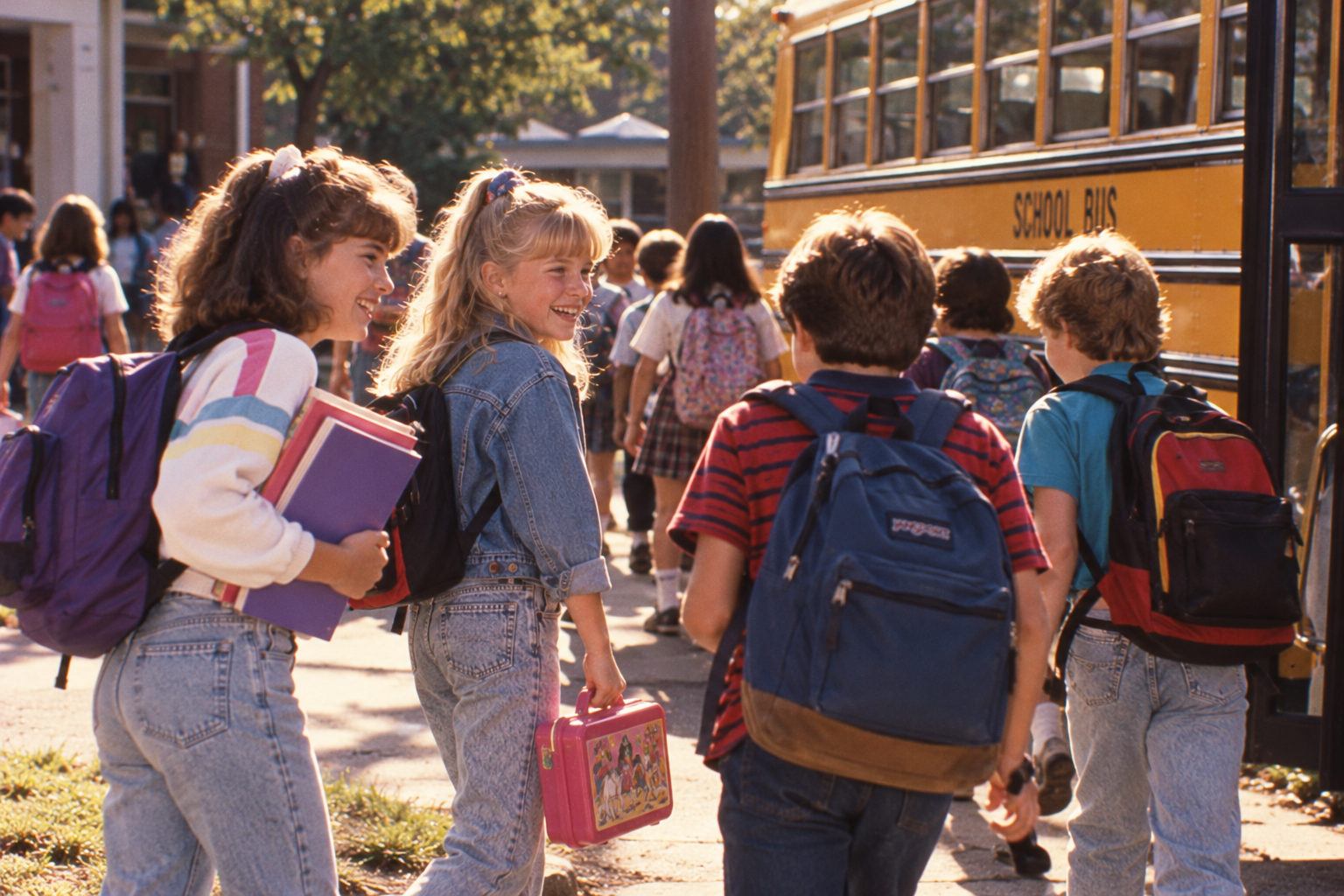
Getting ready for school in the 1970s involved more paper, fewer electronics, and a lot more making do with what you already owned. Parents hunted for bargains in newspaper ads, kids carried metal lunch boxes, and a fresh pack of pencils could feel like a major purchase. But underneath the hand-me-downs and handwritten forms was a familiar ritual: one last shopping trip, an earlier bedtime, and the strange mix of excitement and dread that came with summer ending. Some things about going back to school never really change.