Knowledge is passed down from generation to generation; therefore, every habit should be evaluated to determine whether it benefits the next generation or is something that should be left behind. Baby Boomer advice can offer guidance on money, work, relationships, and more that could save you from trouble, so here we’ll reveal some Baby Boomer wisdom!
Learn to Fix a Few Basic Things Yourself

When a household problem arises, the first thing younger people think of is calling a professional. However, not every issue, such as unclogging a drain, patching a small hole, resetting a circuit breaker, or replacing a basic fixture, requires a professional. You might be able to handle it yourself. From basic maintenance to repairing kitchen appliances, you could do the job yourself with the help of a YouTube tutorial.
Buy The Best Version You Can Afford of Things You Use Constantly

When money is tight, the cheapest option isn’t always the least expensive in the long run. Baby Boomer advice often emphasizes choosing quality over the low price. Whether it’s sneakers, mattresses, tools, cookware, or everyday furniture, buying a low-quality version that needs replacing soon can end up being costly. Since these are items you use constantly, weigh the price against how much use you get from it.
Take Care of What You Already Own
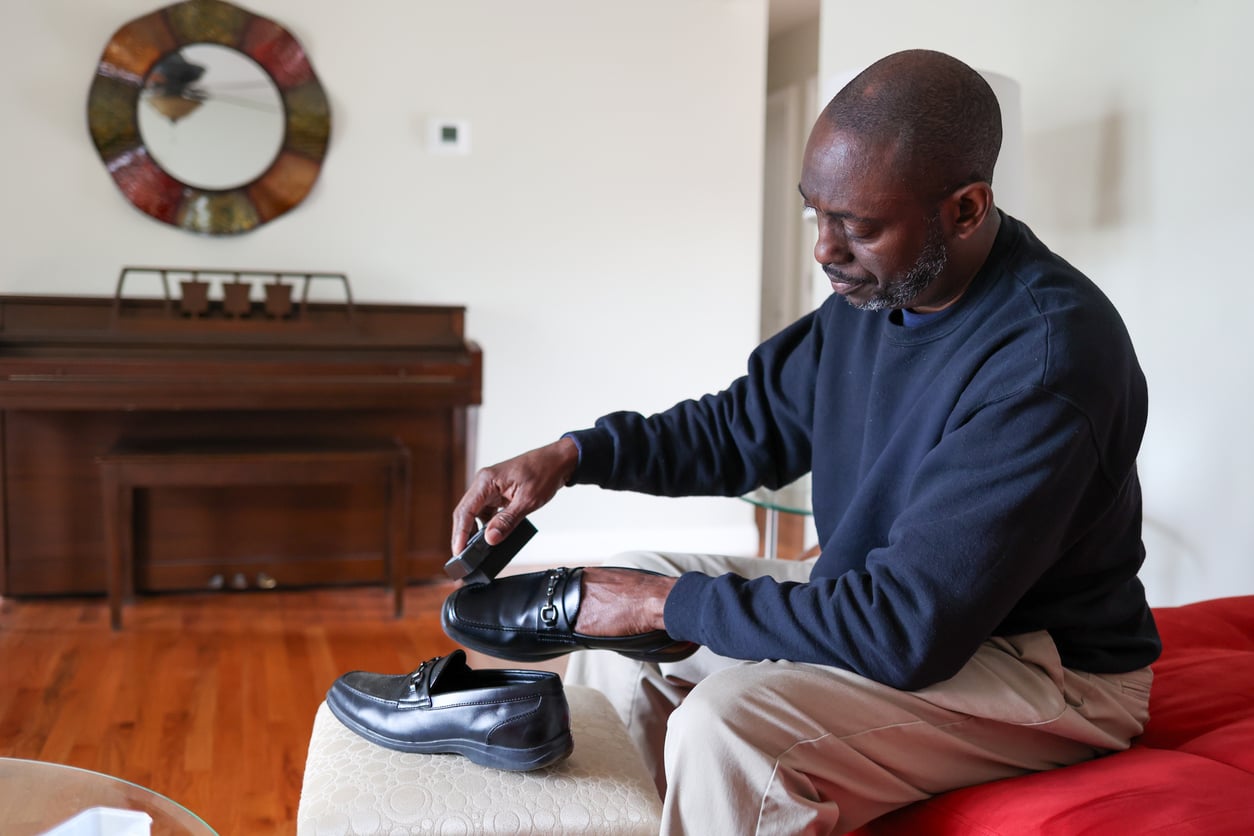
Buying furniture, appliances, or any other household items doesn’t mean you don’t need to care for them over time. Maintaining your belongings is cheaper than having to replace them because they broke. Using your washing machine correctly, rotating your car tires, and sharpening your knives are just a few of the maintenance tasks you can perform.
Keep Some Money That Is Not Invested in Anything Exciting
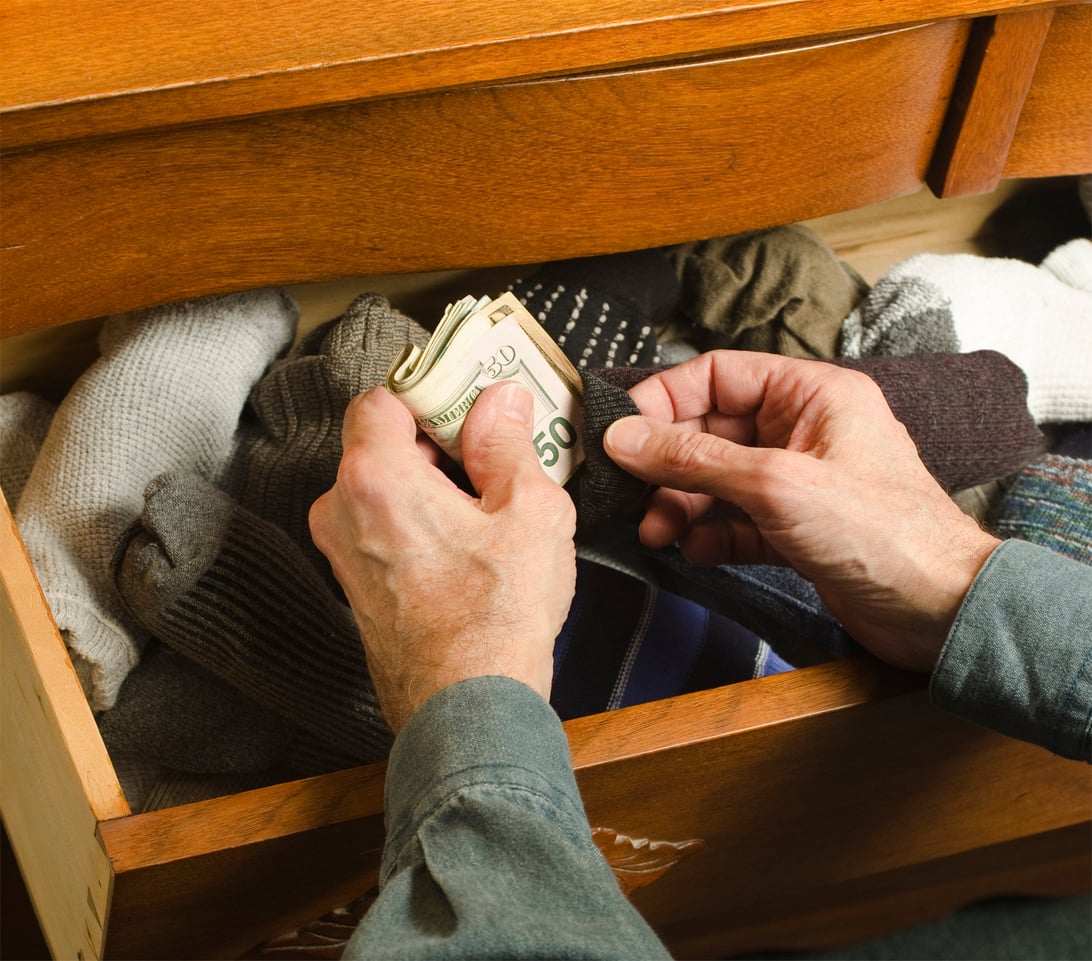
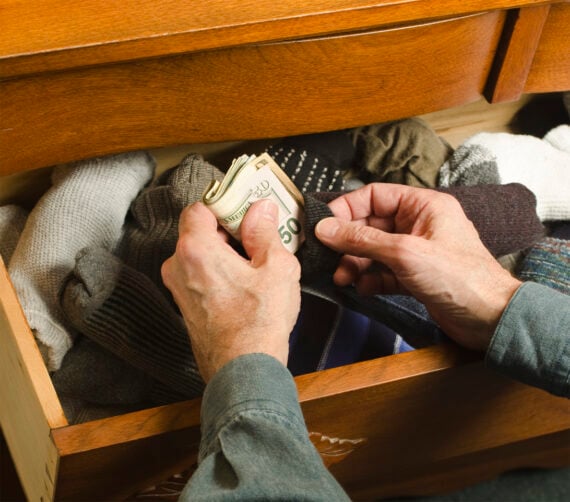
Younger generations are more open to investing their money compared to Baby Boomers according to the World Economic Forum, but Baby Boomer advice also emphasizes keeping some funds available for immediate use can save you trouble. The reality is that emergencies rarely align with people’s schedules. Situations such as paying medical bills, car repairs, emergency travel, or unexpectedly losing your job require money to resolve.
Learn to Cook a Handful of Cheap Meals Really Well

If you learn to cook, you will save a lot of money on dining out or ordering delivery, though everyone treats themselves to that now and then. Baby Boomer advice often highlights inexpensive, easy-to-prepare dishes such as pasta, soups, eggs, rice dishes, beans, roast chicken, and tacos, among others. Furthermore, making the most of leftovers by incorporating them into your next meal will help you get the best value for your money.
Trending on Cheapism
Don’t Replace Something Just Because a New Version Came Out

Given the consumerist trend in society, where many people buy the latest phone on launch day, the newest TV model, or the trendiest car, Baby Boomer advice is to think twice before spending money if the device you currently own still works. If your device is still functional, keep it for a few more years; you will save money that way. You should ask yourself whether an upgrade actually solves a real problem.
Know Your Neighbors

Another piece of advice of Baby Boomer advice is that getting to know your neighbors is beneficial. Maintaining a good relationship with them makes your daily life easier. They are the ones who might spot a leaking pipe, pick up a package for you, feed your pet, lend you a tool, or help with other temporary needs. Plus, you can maintain a relationship without pressure, you don’t have to force a close friendship with them.
Keep Important Phone Numbers and Documents Somewhere Offline

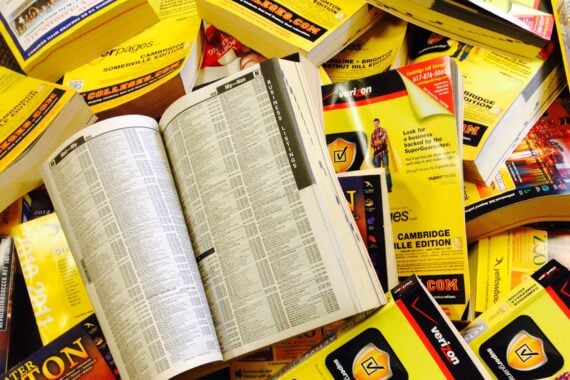
Relying on the internet isn’t a bad thing, but Baby Boomers advice also emphasizes having backup ways to access important information. If you lose your phone, run out of battery, get hacked, or lose your home internet connection, you won’t be able to access the information you stored in it. Keep important information, such as phone numbers, written down on paper, and maintaining backups of key documents like financial records or passport details.
Sign up for our newsletter
Pay Attention to Recurring Bills

Nowadays, younger people often set up automatic debit payments on their cards for various services, which can lead to overlooking the actual cost of each one. From streaming services and app subscriptions to storage plans, memberships, and more, you should be clear about what you are paying for each of these monthly expenses because they can rise from one month to the next. Some Baby Boomers may have kept track of the money they spent.
Don’t Finance Something Just Because the Monthly Payment Looks Small

Paying for a car, furniture, phones, or appliances in installments shouldn’t distract you from the product’s actual value relative to the total price. Baby Boomer advice encourages looking beyond the monthly payments and considering the full cost. Monthly payments often mask the true cost by breaking it down into smaller amounts, but you can avoid debt, interest, and fees by simply asking yourself if you really need that new item in your life.
Keep Your Resume Updated Even When You Like Your Job
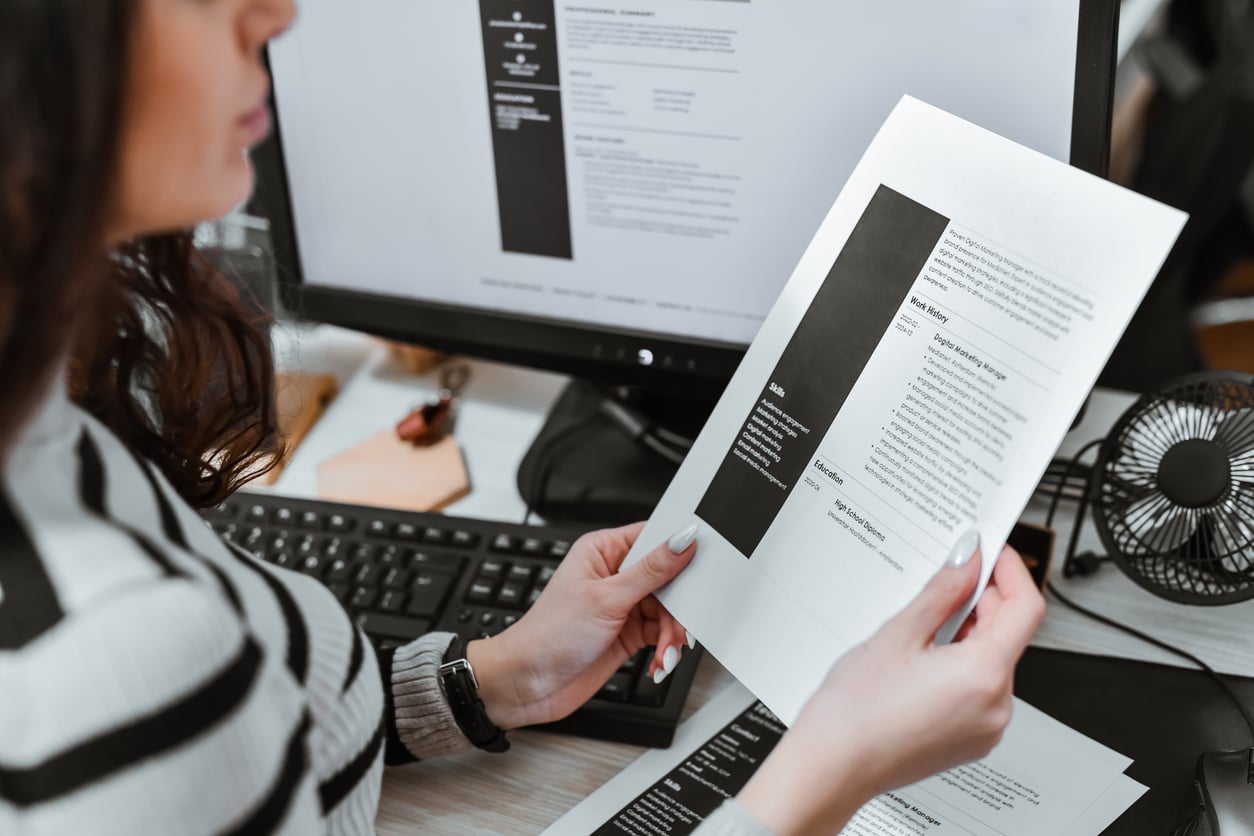
Your resume is your professional calling card when dealing with companies and job opportunities, so it is ideal to keep it up to date, even when you are currently employed and enjoy what you do. Baby Boomer advice recommends staying prepared for unexpected careers changes, mergers or the emergence of a better opportunity. It is far easier to maintain a detailed resume by adding achievements as they happen than to try to reconstruct five years of work history after the fact.
Show Up a Little Early

Avoiding being in a hurry to make it to work on time or to meet up with friends will save you a lot of stress. Baby Boomer advice favors leaving a little extra time in your schedule. Whether you encounter heavy traffic, parking issues, glitchy apps that slow you down, or any other delay, having a ten-minute buffer will help you manage your day and ensure you don’t miss any flights, medical appointments or events.
Write Down Agreements That Matter

When you reach a truly important agreement with someone, Baby Boomer advice says to write it down because memory can be unreliable at times. Whether it involves rent payments, freelance work, repairs, loans, shared expenses, or anything else, having it in writing reduce and help prevent future confusion. By “writing it down,” we simply mean creating a record, you could just as easily send an email or a chat message to the person with whom you made the agreement.
Take the Vacation Days You’ve Earned

Baby Boomers advise younger generations to take the vacation days they are entitled to. Baby Boomer advice emphasizes that an employee’s loyalty to their company does not mean they should refuse to take the time off they have earned. These days off are part of the compensation an employer provides. Failing to take them could result in a loss of benefits or the forfeiture of the days due to company policy in some jurisdictions.
Don’t Let Convenience Replace Every Skill

Many young people pay for apps that handle dinner delivery, groceries, rides, furniture assembly, laundry, repairs, and many other tasks. However, Baby Boomer advice suggests considering whether you really need to pay for every convenience service. Each of these chores offers an opportunity to get to know yourself better and meet other people. After all, living an ordinary life would be boring.
Spend Money on Experiences You Will Remember, Not Just Stuff You Will Store

Baby Boomers are passing on their wisdom to younger generations by pointing out that accumulating possessions is not as appealing as spending time with family or embarking on meaningful trips. Baby Boomer advice encourages people to think twice before buying material goods. Instead, ask yourself whether an item will still feel worthwhile five years from now compared with spending that money on travel, attending a concert or gathering with your family.
Conclusion

The advice offered by older generations stems from their past experiences, from having lived through those situations and from decisions they would likely change if they could. Baby Boomer advice ranges from keeping money set aside for emergencies and understanding the true cost of the convenience offered by certain appliances to maintaining your home to avoid exorbitant, sudden expenses, these pieces of advice from Baby Boomers may help younger generations save money and avoid future problems.