Rising gas prices aren’t merely an inconvenience. As it turns out, literally eating is becoming a luxury “hobby” that many of us simply can’t afford to maintain alongside a daily commute.
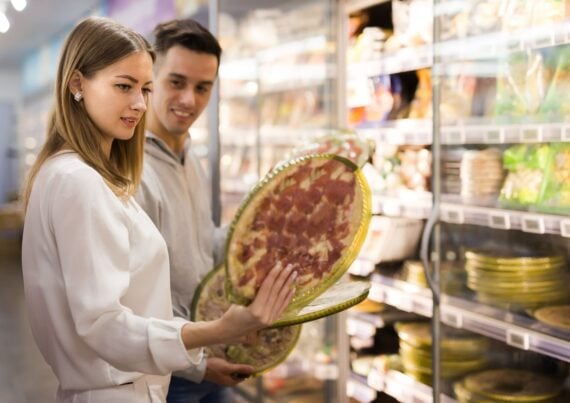
According to new research from Snipp, the rapidly rising cost of fuel is “crimping” grocery spending in a big way. A survey of 1,000 shoppers conducted in March 2026 found that more than a third of respondents have already cut back on their grocery spending. They’re doing this the old-fashioned way: either “trading down” to cheaper generic brands or simply buying less food.
The Math of Misery: 32% More at the Pump
Why the sudden diet? Blame the global stage. Since the U.S. entered the conflict with Iran several weeks ago, gas prices have surged. According to AAA, the national average for a gallon of regular gas is 14 cents per gallon higher than it was just one week ago.
And while some internet optimists (or perhaps just people who live in their parents’ basements) think higher gas prices don’t affect them because they don’t drive, Reddit is here to perform a reality check. As one user pointed out, “Do they think that food and supplies teleport themselves to Costco?”
Spoiler alert: They don’t. Logistics is almost 100% reliant on fuel, and those increased transport costs are being passed directly to you. One Redditor in the trades noted that their company has already hiked prices for service calls — meaning it’s now officially more expensive to have a leaky faucet and a hungry stomach.
What’s Leaving the Shopping Cart?
When the budget breaks, the “fun” stuff goes first. According to the Snipp survey, shoppers are most likely to cut spending on:
- Snacks and Beverages (Goodbye, name-brand chips)
- Alcohol (The “sober by necessity” movement)
- Fresh Meat and Seafood (Hope you like beans)
- Prepared/Deli Foods
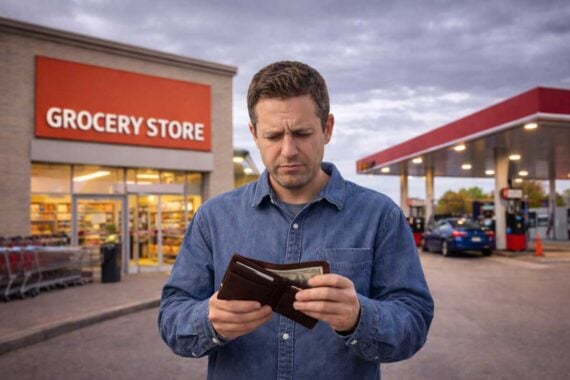
People are also starting to skip fresh produce and dairy. When you’re paying nearly $4 a gallon just to get to the store, the price on organic kale starts looking like a down payment on a house.
The ‘Consolidation’ Strategy
Nearly 30% of survey respondents are consolidating trips to save on gas, while 20% are simply shopping less often.
Over on the r/Economy subreddit, the mood is predictably grim. While some are smugly “zooming around” in EVs or charging from home solar systems, others are sharing survival tips like “PB & J sandwiches for every meal” or the “Aldi-only” lifestyle. As one user put it: “I’ve been skipping meals and doing nothing fun since 2019. Just waiting to die at this point because there’s nothing left to cut.” Ouch.
Help (Sort of) Is on the Way
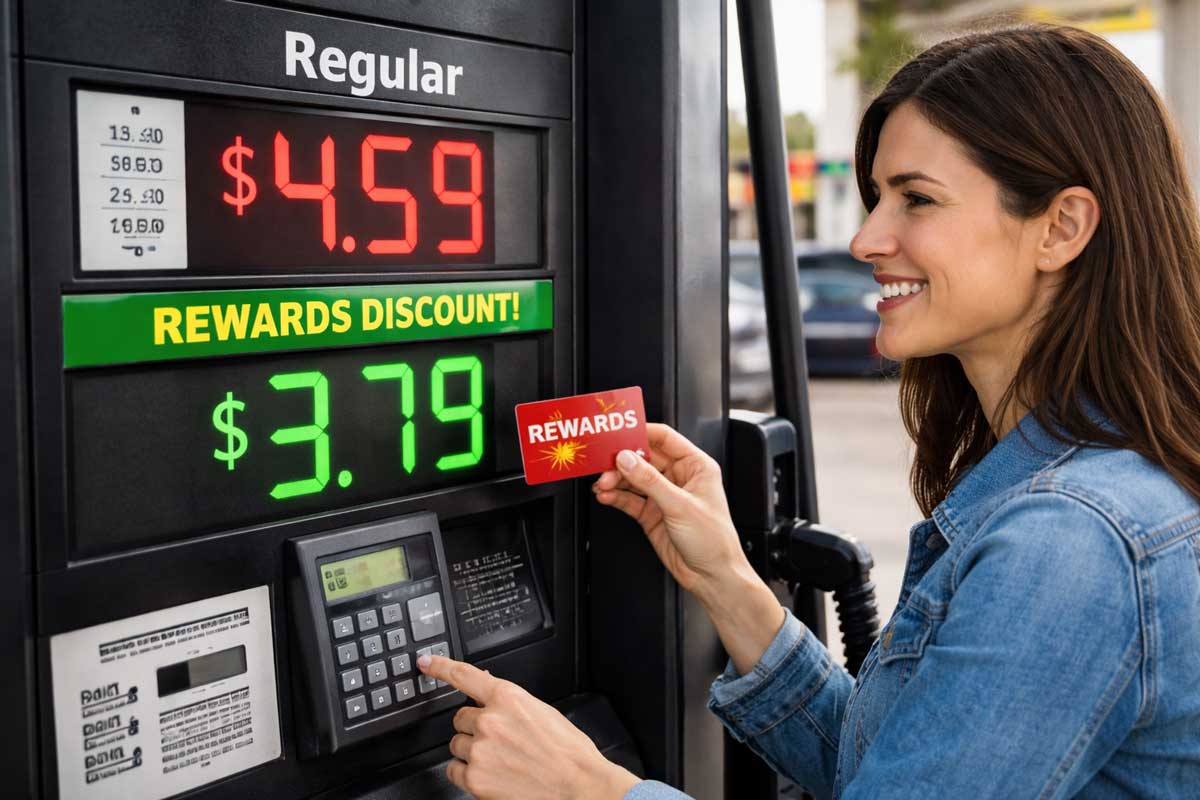
Retailers and gig-work giants are trying to soften the blow — mostly so we don’t stop spending entirely. Kroger recently offered quadruple fuel points to lure shoppers back. DoorDash is giving drivers 10% cash back on gas and “fuel relief payments” for those hitting high mileage.
But for the average consumer watching diesel climb $1.10 in six weeks, these measures feel like putting a Band-Aid on a bullet hole. The only thing that seems to be shrinking faster than our grocery lists is our will to leave the house.
More From Cheapism
- Where Gas Prices Are Rising the Fastest — and the Slowest — These are the states with the fastest and slowest rising gas prices.
- Spring Break Road Trip Coming Up? Buckle Up: Higher Gas Prices Are Likely Coming — Gas prices are still on the rise, and they’re dead set on making your road trip cost a lot more than you budgeted for.
- New Trump Accounts Give $1,000 to Newborns. Now How About Money for Groceries? — Another new program rolls out, and Americans are still wondering when groceries will become more affordable.