Not that long ago, budgeting was pretty simple. You planned for housing, food, transportation, and a handful of bills — and most of life’s extras were truly optional.
Fast forward to today, and those “extras” are everywhere. Monthly fees, add-ons, subscriptions, and convenience charges have quietly become part of everyday expenses. They’re small enough to feel harmless, but constant enough to blow up a budget.
From streaming services to airline fees and app subscriptions, here are everyday expenses most people didn’t budget for 10 years ago — but often have no choice but to pay now.
Streaming Subscriptions

What it is: Monthly fees for video, music, and live TV platforms (Netflix, Spotify, Hulu, YouTube TV).
Why it grew: Cable cutting led to multiple overlapping subscriptions replacing one TV bill, quietly increasing total monthly costs.
Airline Seat Selection Fees
What it is: Extra charges to choose a seat in advance, even in economy.
Why it grew: Airlines unbundled fares to advertise cheaper tickets while monetizing seat choice as an add-on.
Checked Bag & Carry-On Fees
What it is: Charges for luggage that used to be included in airfare.
Why it grew: Budget airline models spread across major carriers, normalizing pay-per-bag pricing.
Car Subscription & Connected Vehicle Fees
What it is: Monthly charges for features like remote start, navigation, heated seats, or bundled vehicle access.
Why it grew: Automakers adopted SaaS-style revenue models, locking features behind paywalls.
Food Delivery & Service Fees

What it is: Extra charges added to restaurant orders through apps like DoorDash and Uber Eats.
Why it grew: Delivery apps normalized convenience pricing beyond tips and menu markups.
Trending on Cheapism

App & Software Subscriptions
What it is: Monthly fees for apps and programs once bought outright (Microsoft Office, Adobe, fitness apps).
Why it grew: Software shifted to subscription models, turning one-time purchases into recurring expenses.
Renters Insurance
What it is: Insurance covering personal belongings and liability for renters.
Why it grew: Landlords increasingly require policies to reduce their own liability and losses.
Buy Now, Pay Later (BNPL) Payments
What it is: Installment plans for everyday purchases.
Why it grew: Fintech companies embedded financing into checkout, making debt feel like budgeting.
Sign up for our newsletter
Smart Home Subscriptions
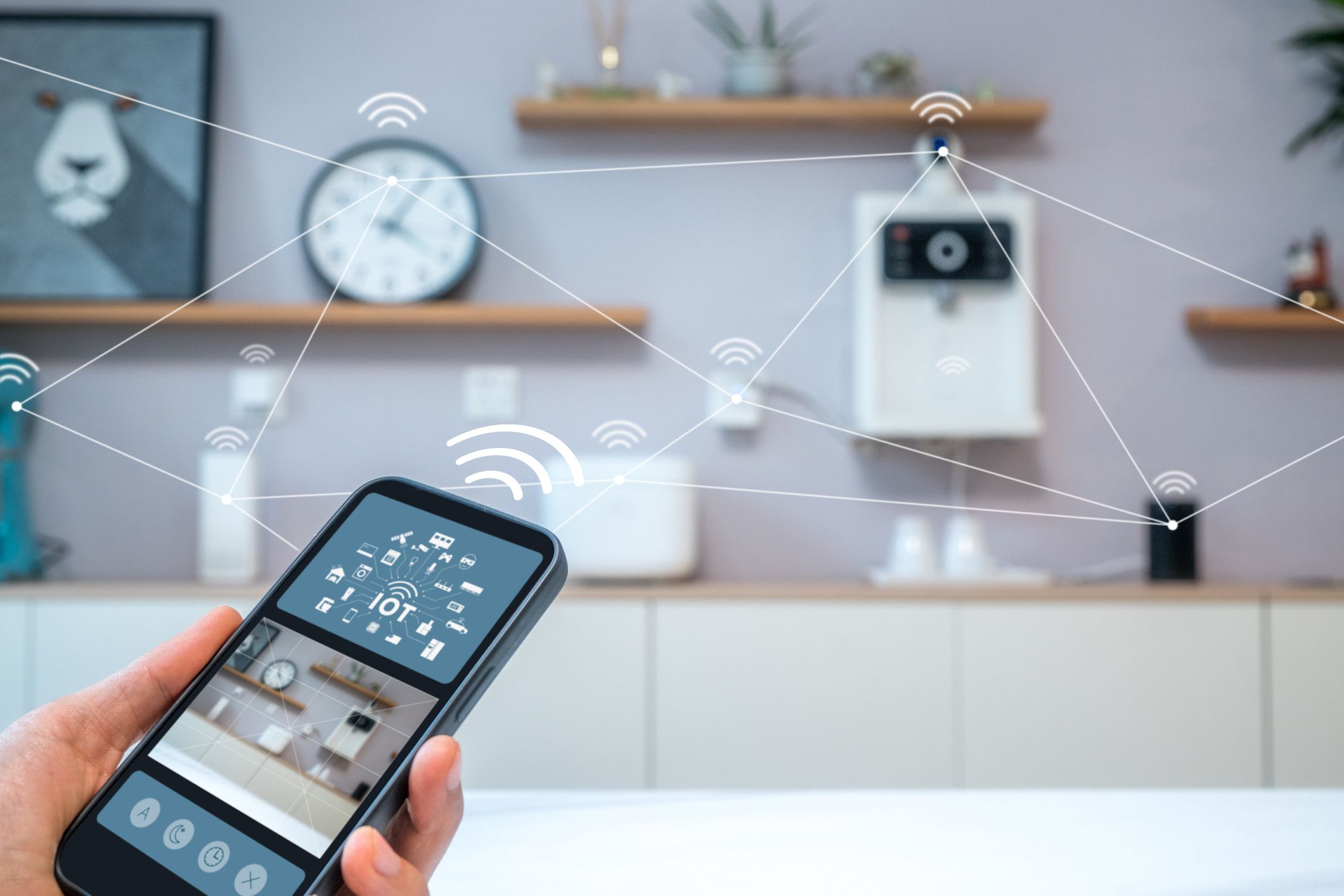
What it is: Monthly fees for cameras, alarms, doorbells, and cloud storage.
Why it grew: Hardware is often useless without paid monitoring or storage plans.
Digital Storage & Cloud Backup
What it is: Paid storage for photos, documents, and device backups.
Why it grew: Phones create more data than free tiers can handle, forcing upgrades.
Workplace Remote Access Tools
What it is: Paid tools for video meetings, file sharing, and collaboration.
Why it grew: Remote and hybrid work shifted costs from employers to individuals and freelancers.
Subscription News & Paywalled Content
What it is: Monthly fees to access journalism, newsletters, and digital publications.
Why it grew: Ad revenue declined, pushing publishers toward subscription-only access.
Health App & Wearable Memberships
What it is: Monthly fees tied to fitness trackers, meditation apps, or sleep analysis.
Why it grew: Devices now lock insights and analytics behind recurring payments.
Identity Theft & Credit Monitoring Services
What it is: Paid protection against fraud and data breaches.
Why it grew: Massive data leaks made personal monitoring feel necessary, not optional.
More From Cheapism

- 14 Budgeting Mistakes That Are Quietly Wrecking Your Finances Stop sabotaging your savings — from impulse buys to bad bargain hunting, these common budgeting blunders can actually cost you more than you think.
- 7 Ways to Quickly Furnish a Space on a Tight Budget You don’t need a fat wallet to make your place look great — with a few clever hacks and marketplace tricks, you can score stylish furniture without breaking the bank.
- 8 Money-Saving Swaps for Solo Renters on a Tight Budget Living on your own doesn’t have to drain your wallet — simple everyday swaps (from laundry hacks to reusable gear) can shave serious cash off your bills.